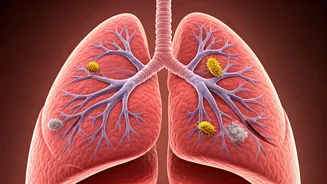




Younger Onset Worries
Physicians are increasingly observing the emergence of allergic asthma in very young children, with many exhibiting symptoms as early as the preschool
years. This growing prevalence is a significant concern, not only due to the increased number of cases but also because of the potential long-term ramifications if the condition isn't identified and managed promptly. This shift in diagnosis patterns, particularly noted in urban and semi-urban areas, suggests that while genetic factors remain relevant, environmental influences have taken on a much greater role in triggering the condition. Beyond the immediate impact of vehicle exhaust and construction dust, escalating air pollution, especially exposure to fine particulate matter (PM2.5), is demonstrably affecting the respiratory systems of children from a tender age. Compounding these outdoor issues are indoor allergens like dust mites, mold, pet dander, and chemical irritants found in common household products, which further exacerbate the problem.
Indoor Life & Misdiagnosis
Modern children are spending a substantial amount of time indoors, often in spaces with inadequate ventilation, thereby increasing their exposure to a variety of allergens. This reduced engagement with outdoor environments and diminished contact with nature may also play a role in altering immune system responses, potentially heightening the susceptibility to allergic sensitization. Many parents and caregivers notice persistent coughing, wheezing, or breathlessness in their children. However, these symptoms are frequently misattributed to common recurrent infections or simply to seasonal allergies. This misinterpretation can lead to delays in seeking appropriate medical evaluation. Dr. Ramana Prasad V Velamuru emphasizes that while proper diagnosis and treatment, including inhalation therapy and trigger avoidance, can effectively manage allergic asthma, there's a noticeable deficit in awareness among those responsible for a child's care. Addressing this upward trend in younger demographics necessitates a concerted effort to tackle both the environmental and clinical facets of the disease.
Diagnostic Challenges
Despite a growing awareness of allergic asthma in younger populations, significant disparities persist regarding diagnosis and adherence to treatment plans. Clinically, numerous children presenting with classic indicators such as persistent coughing, intermittent wheezing, or difficulty breathing at night are often diagnosed late or inadequately managed. This delay frequently stems from the symptoms being mistaken for repeated respiratory infections or dismissed as transient seasonal issues. A major impediment to effective management is the prevalent misconception surrounding inhaler therapy. Many parents harbor anxieties about inhalers, fearing addiction or adverse side effects, which deters them from initiating or continuing this crucial form of medication. It is imperative to highlight that inhalers are not only safe but represent the most effective method for delivering medication directly to the lungs, minimizing systemic impact and maximizing therapeutic benefit.
Long-Term Lung Health
The development of allergic asthma at an increasingly early age, with many youngsters showing symptoms by preschool, is a serious concern. The primary worry extends beyond the surge in cases to the potential long-term consequences if the condition is not detected and addressed promptly. During critical phases of lung development, persistent airway inflammation can negatively impact lung function later in life, escalating the risk of developing chronic respiratory diseases in adulthood. Several factors contribute to this concerning upward trend, including heightened exposure to environmental allergens, shifts in lifestyle patterns, and early life influences like exposure to secondhand smoke. Additionally, recurrent viral infections in infancy can sometimes act as catalysts, revealing underlying airway hyperresponsiveness. A significant issue remains the delay in obtaining a proper diagnosis, with symptoms like chronic coughing, frequent wheezing, or limited exercise tolerance often being overlooked or treated symptomatically without investigating the underlying allergic component. The good news, however, is that allergic asthma is highly manageable once diagnosed early, enabling most children to achieve good control and maintain an active lifestyle with appropriate treatment, including inhaled medications and proactive trigger avoidance. Enhanced communication regarding the importance of early screening for children with a family history of allergies is vital for preventing disease progression and improving long-term health outcomes.