





Rising Heat Woes
Residents of the Delhi-NCR region are currently facing an alarming surge in respiratory ailments, directly linked to the escalating temperatures and pervasive
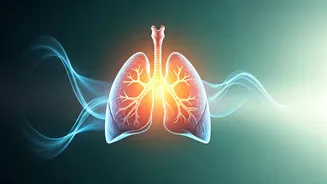
dust particles. This environmental stress exacerbates pre-existing conditions such as asthma and bronchitis, making it increasingly difficult for many to breathe comfortably. The impact of this heatwave extends beyond mere discomfort, posing a significant health risk that requires immediate attention and preventative measures to protect the delicate lung tissues from further damage. Understanding the direct correlation between environmental factors and respiratory distress is the first step towards seeking effective relief and maintaining overall well-being during these challenging climatic conditions.
Vitality Through Yoga
To combat the detrimental effects of the heat and dust on lung function, a strategic integration of specific yoga postures and breathing exercises is paramount. These practices are not just about physical exertion; they are designed to actively cleanse, strengthen, and rejuvenate the respiratory system. By incorporating these ancient techniques into your daily routine, you can build resilience against airborne irritants and improve your body's capacity to process oxygen more efficiently. This proactive approach serves as a crucial protective shield, enhancing lung capacity and reducing the severity of breathing difficulties, offering a natural and holistic pathway to improved respiratory health.
Pranayama Power-Ups
Swami Ramdev emphasizes the immediate adoption of ten powerful yoga and pranayama techniques as an essential lifeline for Delhi-NCR residents. These practices are curated to offer profound benefits for lung rejuvenation and overall respiratory well-being. Techniques like Anulom Vilom Pranayama, Kapalbhati, and Bhastrika are designed to enhance oxygen intake, expel toxins, and strengthen the diaphragm, all of which are critical for combating heat-induced respiratory distress. Regular practice not only alleviates symptoms of asthma and bronchitis but also builds a robust defense mechanism, ensuring that your lungs are better equipped to handle environmental challenges, thereby safeguarding your health.
Bhastrika's Breath
Bhastrika Pranayama, often referred to as 'Bellows Breath,' is a dynamic breathing technique that significantly boosts lung capacity and energy levels. This vigorous practice involves forceful inhalations and exhalations, creating a rhythmic pumping action that oxygenates the blood more effectively and helps clear the respiratory passages of congestion. Its heat-generating properties can also be beneficial in invigorating the body and improving circulation. When performed consistently, Bhastrika can strengthen the lungs, enhance metabolic rate, and improve overall stamina, making it an invaluable tool for individuals struggling with breathing difficulties exacerbated by environmental factors like heat and dust.
Kapalbhati's Cleanse
Kapalbhati Pranayama is a purifying breathing technique that focuses on forceful exhalations while the inhalation is passive. This method is highly effective in cleansing the nasal passages and lungs, expelling accumulated toxins, and stimulating the abdominal organs. The rhythmic abdominal contractions associated with Kapalbhati help to improve digestion and metabolism, while also enhancing the efficiency of the respiratory system. Regular practice is known to reduce stress, improve mental clarity, and build a stronger defense against respiratory infections, making it a cornerstone of effective lung care, especially in polluted environments.
Anulom Vilom Harmony
Anulom Vilom Pranayama, also known as Alternate Nostril Breathing, is a calming yet powerful practice that balances the left and right hemispheres of the brain and harmonizes the flow of prana (life force) throughout the body. This technique involves breathing in through one nostril while the other is closed, and then exhaling through the opposite nostril. It is exceptionally effective in reducing stress, anxiety, and improving focus, while also significantly clearing blockages in the respiratory tract. Anulom Vilom gently strengthens the lungs and promotes overall respiratory health, offering a soothing and restorative approach to breathing.
Ujjayi's Soothing
Ujjayi Pranayama, or 'Victorious Breath,' is a gentle, audible breathing technique performed by slightly constricting the back of the throat during inhalation and exhalation. This creates a soft, ocean-like sound and helps to regulate breath, deepen its flow, and calm the nervous system. Ujjayi is particularly beneficial for individuals experiencing respiratory irritation or tightness in the chest, as it soothes the airways and promotes relaxation. Its steady, controlled breath can also aid in better oxygen distribution and aid in managing stress-related breathing issues.
Bhramari's Calm
Bhramari Pranayama, the 'Bee Breath,' is a deeply calming practice characterized by a humming sound produced during exhalation, mimicking the sound of a bee. This technique is incredibly effective in pacifying the mind, reducing anger and anxiety, and promoting a sense of tranquility. By focusing the mind inward and creating a gentle vibration, Bhramari helps to soothe the nervous system and can alleviate symptoms associated with respiratory distress, such as breathlessness and chest tightness. It offers a profound sense of peace and mental clarity, contributing to overall respiratory and emotional well-being.
Nadi Shodhana Flow
Nadi Shodhana, essentially a more structured and often longer practice of Anulom Vilom, focuses on purifying the nadis (energy channels) within the body. This meticulous alternation of breathing through each nostril aims to achieve a perfect balance between the 'ida' and 'pingala' nadis, leading to a profound state of equilibrium. By systematically clearing these subtle energy pathways, Nadi Shodhana significantly enhances oxygen supply to the lungs and brain, thereby improving respiratory function and promoting mental clarity. It is a powerful tool for reducing stress and preparing the body for deeper meditative states.
Padmasana Foundation
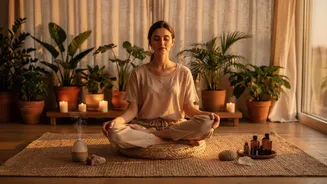
Padmasana, or the Lotus Pose, is a foundational seated posture that provides an ideal stable base for various pranayama techniques. By grounding the body and aligning the spine, it facilitates deeper and more controlled breathing. Maintaining this posture encourages an upright torso, which is essential for optimal lung expansion and efficient oxygen exchange. The physical stability offered by Padmasana helps to quiet the mind, allowing for greater concentration during breathing exercises, thereby amplifying the benefits of pranayama for respiratory health and overall physical and mental harmony.