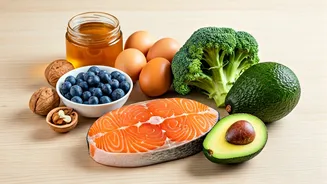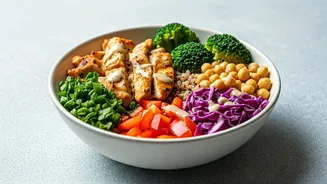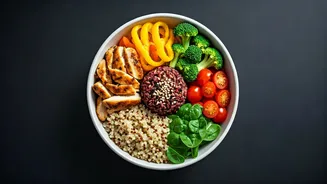





Protein Essentials Explained
Understanding your daily protein requirements is the first step towards a healthier you. Generally, adults need between 0.8 to 1 gram of protein for every
kilogram of their body weight each day. For instance, a woman weighing 60 kg should aim for approximately 48–60 grams of protein daily, while a 70 kg man requires about 56–70 grams. These needs can subtly increase with age, as maintaining muscle mass becomes crucial for overall strength, metabolic function, and long-term well-being. The encouraging news is that meeting these targets doesn't necessitate a complete overhaul of your eating habits. Often, incorporating a few protein-rich ingredients into your existing meals is sufficient. Familiar foods that are staples in many Indian kitchens already contribute substantially. For example, 100 grams of paneer offers around 18 grams of protein, a cup of cooked lentils provides about 8–9 grams, and a cup of chickpeas delivers roughly 14 grams. Even a single egg contributes about 6 grams. These readily available options make protein-rich eating accessible and straightforward.
Smart Additions, Big Gains
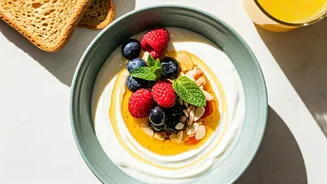
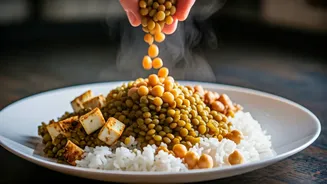
Elevating your protein intake doesn't demand a complex diet transformation; rather, it's about making smart, minor adjustments to your daily meals. Many common ingredients can be easily integrated to pack a protein punch. Consider adding 50–70 grams of paneer to your vegetable stir-fries or breakfast dishes. Instead of eating fruit plain, pair it with hung curd for a protein-enhanced snack. Sprinkling seeds like sesame, flax, or pumpkin onto your sabzi adds not only protein but also healthy fats and fiber. Regularly including pulses such as dal, chana, or rajma with your roti meals provides a significant protein boost. Furthermore, incorporating soya nuggets into pulao, curries, or mixed vegetable dishes is a simple yet effective way to increase protein content. Even a cup of sprouted moong, offering about 12 grams of protein, can be a valuable addition. These small, conscious upgrades can easily contribute an additional 10–20 grams of protein to your daily intake without the need for elaborate meal planning or restrictive diets.
Home Cooking Protein Powerhouses
Home cooking provides a fantastic platform to transform traditional Indian dishes into protein powerhouses. Take Pav Bhaji, for instance; by increasing the quantity of green peas, chickpeas, or white beans, and adding paneer cubes, its protein content can be substantially boosted. Serving it with whole-wheat pav and a side of sprout salad further enhances its nutritional profile. For a quick breakfast, Sprouted Moong Chilla is an excellent choice. Blending soaked sprouted moong with simple spices and cooking it like a dosa, served with mint chutney or hung curd, offers a good dose of plant-based protein and fiber. Protein Khichdi can be made incredibly nutritious by combining various dals like moong and masoor with rice or millet, then adding vegetables and topping it with paneer, peanuts, or soya nuggets. A Besan Chilla Wrap, using protein-rich gram flour and filled with paneer bhurji or sprouts, makes for a wholesome meal. Even Poha can be upgraded with roasted peanuts, sprouts, vegetables, or paneer, turning a light breakfast into a protein-rich affair.
Beyond Packaged Proteins
While protein shakes and bars might seem convenient, they are often unnecessary for most individuals. Traditional Indian cuisine, rich in ingredients like lentils, dairy, grains, vegetables, and seeds, naturally provides a balanced blend of protein, fiber, and essential micronutrients. Your everyday Indian kitchen is already equipped with the necessary components to meet daily protein needs affordably and effectively. Staples such as soya nuggets, various pulses, besan, and poha can be seamlessly integrated into your regular meals, enhancing protein content without altering the comforting essence of home-cooked food. The modern emphasis on protein often guides us back to the wisdom of traditional eating patterns, encouraging us to be more mindful of the protein-rich ingredients we already use. Ultimately, the most impactful approach to nutrition often begins not with supplements, but with subtle, thoughtful enhancements to the meals we prepare each day.