







Gut-Brain Communication Hub
Your gut and brain are in constant dialogue, a dynamic two-way street known as the gut-brain axis. This intricate connection means that mental pressures
from your brain can directly influence digestive functions, manifesting as discomfort like indigestion or irregular bowel movements. Conversely, an imbalance in your gut can send signals back to your brain, potentially amplifying feelings of stress and anxiety. This means that managing your mental state is as vital for your gut as tending to your digestive health is for your emotional well-being. The health of this axis is fundamental to both your physical and psychological equilibrium.
The Power of Diversity
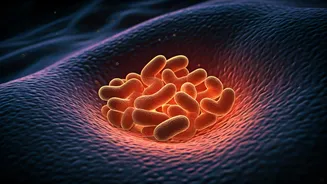
A flourishing gut microbiome thrives on variety, boasting a rich tapestry of diverse beneficial bacteria. This variety is a hallmark of good health, akin to a well-balanced ecosystem. However, persistent stress can wreak havoc on this delicate diversity, leading to a reduction in the types of helpful microbes present. Such a decline can leave your gut more vulnerable to the proliferation of less desirable bacteria, increasing the risk of inflammation and weakening your immune defenses. Cultivating this microbial diversity is therefore a cornerstone of maintaining robust gut health and overall resilience.
Stress Hormones' Influence
When faced with stress, your body initiates a cascade of hormonal responses, releasing compounds like cortisol. These stress hormones have a direct impact on how your gut functions. They can alter the speed at which food moves through your digestive tract, potentially leading to issues with motility. Furthermore, they can weaken the integrity of your gut lining, a condition often termed 'leaky gut,' allowing substances that should remain contained to seep into your bloodstream. This hormonal disruption also plays a role in reshaping the composition of your gut bacteria, often favoring less beneficial strains.
Dietary Impact on Gut
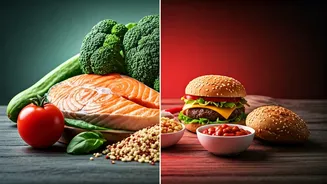
The foods you consume are a direct food source for your gut microbes, profoundly shaping the microbiome's composition. A diet rich in dietary fibers, abundant in fruits and vegetables, along with fermented foods, actively supports a thriving community of beneficial bacteria. Conversely, a diet dominated by processed items and excessive sugars can have detrimental effects, fostering an environment where less healthy microbes can flourish. Stress itself can often trigger cravings for these less nutritious options, creating a challenging cycle that negatively impacts gut health.
Restoring Balance Naturally
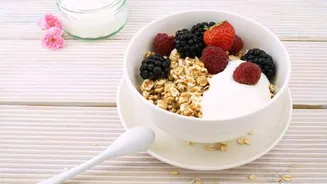
You can actively support your gut health through targeted dietary choices and supplements. Probiotics, which are live beneficial bacteria found in fermented foods like yogurt and kimchi or available in supplement form, introduce helpful microbes directly into your system. Prebiotics, essentially fibers that serve as food for these good bacteria, nourish them and encourage their growth. Incorporating both probiotics and prebiotics can be instrumental in restoring balance to your gut microbiome, particularly when dealing with the disruptive effects of chronic stress and other imbalances.