





Understanding Your BP
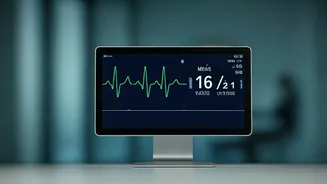
A blood pressure reading of 116/71 mmHg is generally considered within the normal and healthy range, falling comfortably between the typically accepted
parameters of 90/60 mmHg and 120/80 mmHg. This indicates that your heart is effectively pumping blood throughout your body at a good pressure, alleviating immediate concerns about your cardiovascular system based solely on this metric. Dr. Swarup Swaraj Pal, a distinguished CVTS surgeon, confirms that this reading signifies good performance in terms of blood pressure. Therefore, if this is your current reading, there's no inherent reason for significant worry; you are performing well in this specific health indicator. It's reassuring to know that your circulatory system is operating efficiently from a pressure standpoint, contributing to overall well-being.
Beyond the Numbers
While a healthy blood pressure reading like 116/71 is a positive sign, it's crucial to understand that heart attacks are complex events influenced by a multitude of factors beyond just blood pressure. Dr. Pal emphasizes that blockages in the arteries supplying the heart, elevated cholesterol levels, the habit of smoking, significant stress, underlying diabetes, and a personal or family history of heart disease are all significant contributors to cardiovascular risk. It is entirely possible for individuals with seemingly normal blood pressure to experience heart issues if these other risk factors are present and unmanaged. Therefore, focusing solely on blood pressure can provide an incomplete picture of one's overall heart health. A comprehensive approach is necessary for effective prevention and management.
Holistic Heart Health
To maintain robust heart health, it is advisable to actively monitor several key indicators beyond just blood pressure. These include your cholesterol levels, blood sugar management, waist circumference, and stress levels. Dr. Parin Sangoi, a Consultant Interventional Cardiologist, highlights that prolonged or unmanaged stress can lead to increased cortisol levels, which can indirectly impact heart function. Furthermore, recognizing that women may experience subtle symptoms such as fatigue or pain in the jaw or back, which can differ from the classic chest pain often associated with heart attacks, is also vital. A holistic approach that considers these various aspects provides a more complete understanding of your cardiovascular well-being.
Lifestyle for Protection
Adopting simple, consistent preventive habits is paramount for safeguarding your heart. Prioritize incorporating more fruits, vegetables, and whole grains into your diet, while consciously reducing your intake of fried and oily foods. Regular physical activity is essential, as is ensuring adequate and restful sleep. Managing stress through techniques like deep breathing exercises or meditation can significantly benefit your heart. These lifestyle choices work synergistically to support cardiovascular health, offering a powerful defense against potential heart issues. Maintaining a calm mind and a disciplined lifestyle are fundamental to your heart's resilience.
When to Seek Help
It's vital to be aware of the critical warning signs that necessitate immediate medical attention. If you ever experience chest pain, shortness of breath, dizziness, or pain radiating to your arm or jaw, do not hesitate to seek professional medical help without delay. However, if you are not experiencing these acute symptoms, it's important to remain calm and continue with your healthy lifestyle practices. It's worth noting that anxiety itself can manifest with symptoms like a racing heart or chest discomfort, but these are distinct from a heart attack. Maintaining your current healthy habits and undergoing regular medical check-ups are excellent steps for maintaining peace of mind and ensuring your heart's long-term health.
Heart Risk Checklist
To proactively reduce your risk of heart disease, consider this actionable checklist. Aim for at least 30–40 minutes of physical activity on most days of the week. Enhance your diet with more fruits, vegetables, and fiber-rich foods, while significantly cutting back on processed and fried items. Make efforts to quit smoking, moderate alcohol consumption, and prioritize consistent sleep patterns. After the age of 35, or earlier if you have a family history of heart issues, schedule annual heart check-ups. Ultimately, cultivating a calm mental state and adhering to a consistent, healthy lifestyle provide superior protection for your heart compared to a single blood pressure reading.