




A Sea of Hope
The transparent outer layer of the eye, known as the cornea, plays a crucial role in sight. When severely damaged by disease or injury, its ability to
regenerate is limited due to a lack of blood vessels, making it incredibly challenging to repair. For individuals suffering from advanced corneal conditions, the current standard treatment often involves a corneal transplant using tissue from a human donor. However, this vital procedure faces significant hurdles, including a scarcity of available donor organs and extensive waiting lists, leading to prolonged periods of visual impairment for many patients. This critical need for alternatives has spurred scientists to explore unconventional materials. Their groundbreaking work involves harnessing the potential of fish scales, a widely available and inexpensive byproduct of the fishing industry, to create artificial corneas. This research, spearheaded by a dedicated team at the University of Granada, aims to overcome the limitations of traditional transplantation methods and offer a more sustainable and accessible solution for restoring sight.
Scales of Innovation
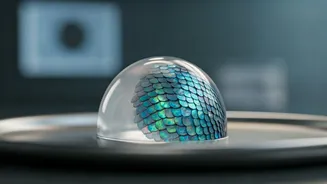
A dedicated team of researchers from Spain's University of Granada, in collaboration with the ibs.GRANADA biomedical research institute, has achieved a significant breakthrough by developing artificial corneas derived from the scales of common market fish. These innovative corneal implants have demonstrated remarkable biocompatibility, excellent transparency, and robust resistance in laboratory settings. Professor Ingrid Garzon, a key figure in the research and a histology professor at the university, highlighted the accessibility and cost-effectiveness of this novel material, noting its potential to benefit local fishing communities. This development is particularly exciting because it moves away from the sole reliance on human organ donation, which is inherently limited by availability and waiting lists. The research team has published findings indicating promising functional results from their laboratory studies and initial animal trials, suggesting that these fish scale-based implants could indeed serve as an effective method for corneal repair and regeneration, paving the way for a future where sight restoration is more readily achievable.
Future of Vision
While the results from laboratory and animal studies are highly encouraging, it is important to note that this groundbreaking technology is still in its developmental stages and is not yet ready for widespread clinical application in humans. Extensive human trials are the necessary next step to validate its safety and efficacy for patient use. However, the research team remains optimistic about the potential impact of their work. Professor Miguel Alaminos, also a histology professor at the University of Granada and a co-author of the research, emphasized the critical need for developing new regenerative methods that are not dependent on organ donation. He pointed out that the current reliance on donor organs leads to significant challenges due to waiting lists. Precedent for the success of fish scale-derived artificial corneas was established by earlier research, with a 2016 peer-reviewed study from Antwerp University also confirming their biocompatibility with human tissues. This ongoing progress underscores a significant stride towards making corneal transplantation more accessible and affordable globally.