
Dairy's Defensive Power
Dairy products, such as milk, cheese, and yogurt, are renowned for their high calcium and phosphate content, crucial for fortifying tooth enamel. Calcium
is a well-known mineral that makes your bones strong, and teeth are no different, in fact, they too need calcium to stay strong. These minerals work in concert to re-mineralize tooth enamel, making it more resistant to acid attacks from the foods and drinks we consume. Moreover, casein, a protein found in dairy, helps to shield teeth. Consuming dairy products also stimulates saliva production, which helps wash away food particles and neutralize acids, further reducing the risk of cavities. Incorporating dairy into your diet, whether through a glass of milk with your meal or a slice of cheese, can be a simple yet effective way to protect your teeth.
Crunchy Veggie Crusaders
Crisp vegetables like carrots, celery, and cucumbers are natural tooth scrubbers. The act of chewing these fibrous foods increases saliva flow, thus helping to cleanse the mouth by removing food particles and neutralizing harmful acids. The physical texture of these vegetables also provides a mild abrasive action, effectively scrubbing the tooth surfaces and reducing plaque buildup. Their high water content dilutes sugars and acids, minimizing their impact on tooth enamel. Vegetables are packed with vital nutrients like Vitamin A and C, which contribute to healthy gums. Making it a point to include these crunchy vegetables in your daily diet is a delicious and beneficial habit for maintaining oral health.
Apples: Nature's Toothbrush
Eating apples acts like a natural toothbrush, gently scraping away plaque and food residue. The slightly acidic nature of apples helps stimulate saliva production, which then helps in neutralizing acids in the mouth and washing away harmful bacteria. The fiber present in apples further contributes to the cleaning process by stimulating the gums and removing debris. Apples are also rich in vitamins and minerals that support overall health, including oral health. Enjoying an apple as a snack can be a tasty and convenient way to freshen your breath, clean your teeth, and support your oral hygiene routine. Its crunchy texture not only cleanses your teeth but also gives you a satisfying, healthy treat.
Berries: Antioxidant Allies
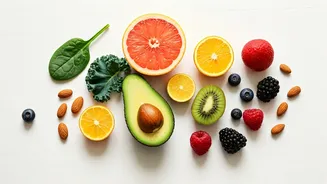
Berries, including strawberries, blueberries, and raspberries, are packed with antioxidants, which combat inflammation and support gum health. The antioxidants in berries protect the gums from damage caused by free radicals, thus helping to prevent gum disease. Berries also contain natural compounds that can help reduce plaque formation and freshen breath. Though berries may contain natural sugars, they are generally less harmful to teeth than processed sweets due to their high fiber content, which helps to slow down the release of sugars. Incorporating berries into your diet is a flavorful way to promote oral health. You can add them to your morning cereal, blend them into smoothies, or enjoy them as a standalone snack.
Nuts and Seeds: Crunchy Protectors
Nuts and seeds, such as almonds, cashews, and sunflower seeds, are rich in essential nutrients and have a positive impact on oral health. Chewing nuts and seeds stimulates saliva production, which helps to neutralize acids and wash away food particles. They are also a good source of minerals like calcium and phosphorus, which are important for strengthening tooth enamel. The act of chewing these foods provides a mild abrasive action that can help to remove plaque buildup. Opting for nuts and seeds over sugary snacks is a smart choice for your teeth, providing a healthy, satisfying option that contributes to overall oral hygiene. They are also packed with fiber and healthy fats, providing further health benefits.
Green Tea: The Oral Savior
Green tea is a beverage with proven health benefits, including a positive impact on oral health. It contains antioxidants called catechins, which help to fight bacteria in the mouth, reduce inflammation, and prevent tooth decay. Catechins interfere with the growth of bacteria and reduce the risk of plaque and gum disease. Drinking green tea also helps to neutralize acids and freshen breath. The act of drinking warm or cold green tea has a cleansing effect, rinsing away food particles and promoting a healthier oral environment. Incorporating a cup or two of green tea into your daily routine is an easy and delicious way to support your oral health. Choose unsweetened green tea to avoid adding extra sugars to your diet.
Water: The Hydration Hero
Water is essential for overall health, and its importance extends to oral hygiene. Drinking water helps to wash away food particles and bacteria, reducing the risk of tooth decay and gum disease. Staying hydrated stimulates saliva production, which helps to neutralize acids and protect tooth enamel. Water also helps to dilute acids from sugary drinks and foods, minimizing their impact on your teeth. It’s the perfect, sugar-free beverage to sip throughout the day, ensuring your mouth stays clean and your teeth stay healthy. Drinking water is also a great habit, as it can help prevent dry mouth, a condition that can increase the risk of cavities and gum disease. Make water your primary beverage for optimal oral health.