


Introducing Gut Heroes
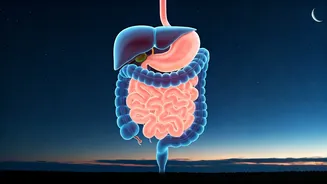
The path to good health is often paved with a well-functioning gut. A Fortis doctor has introduced isabgol and chia seeds as beneficial components for
those seeking improved gut health. Both chia seeds and isabgol can be seamlessly integrated into one's daily routine. Understanding the specific benefits and characteristics of each can help individuals tailor their choices to best suit their digestive health goals. This introduction highlights their importance in the quest for digestive well-being, paving the way for a detailed comparison.
Understanding Isabgol Benefits
Isabgol, also known as psyllium husk, is renowned for its high fiber content. This soluble fiber has a unique ability to absorb water, forming a gel-like substance that aids in smooth bowel movements. By increasing stool bulk, isabgol can alleviate constipation and promote regular elimination. Furthermore, it can help manage conditions like irritable bowel syndrome (IBS) by reducing symptoms such as abdominal pain and bloating. The fiber in isabgol also assists in regulating blood sugar levels, making it a valuable addition to the diet of individuals with diabetes. Regular consumption can also contribute to lower cholesterol levels, supporting overall cardiovascular health. Isabgol's versatility makes it a practical option for anyone looking to improve their digestive health.
Chia Seeds: Nature's Powerhouse
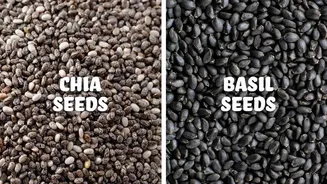
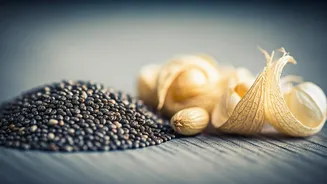
Chia seeds, tiny but mighty, offer a wealth of nutrients, including omega-3 fatty acids, antioxidants, and fiber. The soluble fiber content aids in digestion and promotes a feeling of fullness, which can support weight management. Chia seeds also provide insoluble fiber, which adds bulk to the stool, assisting in the prevention of constipation. The antioxidants in chia seeds combat free radicals, protecting cells from damage and promoting overall health. The omega-3 fatty acids are beneficial for heart health and brain function, making chia seeds a well-rounded addition to a balanced diet. Whether added to smoothies, yogurt, or salads, chia seeds provide a simple method to enhance one's daily nutritional intake, providing advantages for both the digestive system and overall wellness.
Comparing the Two
While both chia seeds and isabgol contribute to digestive health, their mechanisms and benefits differ slightly. Isabgol is primarily valued for its potent fiber content, focusing on managing constipation and promoting regular bowel movements. It's often recommended for its straightforward effectiveness in relieving digestive discomfort. Chia seeds, on the other hand, provide a broader spectrum of nutrients beyond just fiber. They offer omega-3 fatty acids, antioxidants, and various other essential components that support a more comprehensive approach to health. The choice between them depends on individual needs and preferences. Isabgol can be a reliable choice for direct relief from constipation, while chia seeds may appeal to those looking for a nutrient-rich boost.
Doctor's Recommendation
A Fortis doctor's perspective often weighs the specific health needs of the patient when suggesting either isabgol or chia seeds. They typically consider factors like the type of digestive issues, dietary habits, and any underlying medical conditions. Isabgol is usually recommended for individuals needing relief from constipation and those looking to regulate bowel movements. Chia seeds might be suggested for their broader nutritional value and their role in improving overall health. The doctor may advise integrating both into one's diet, as they can complement each other, offering a comprehensive approach to digestive health. Consulting with a healthcare provider is essential to determine the best choice.
Adding to Your Diet
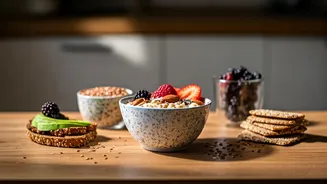
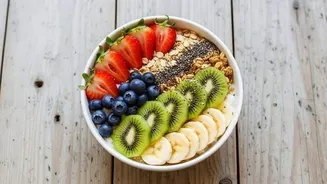
Incorporating chia seeds and isabgol into your diet is straightforward. Chia seeds can be added to various dishes, such as smoothies, yogurt, oatmeal, and salads. They can also be used as a binding agent in baked goods. To consume isabgol, it is typically mixed with water, juice, or milk and consumed immediately. It's important to drink plenty of water throughout the day when consuming isabgol to prevent constipation and ensure its effectiveness. Gradually increasing the intake of both chia seeds and isabgol can minimize digestive upset. Start with small amounts and increase as tolerated. Experimenting with different recipes and combinations can help you find enjoyable and effective ways to incorporate these gut-friendly foods into your daily routine.