






Morning Coffee Boost
Starting the day with a cup of coffee can offer significant health benefits. While the anti-inflammatory status of coffee has been debated, current research
suggests moderate consumption is beneficial. Coffee stands as a primary source of antioxidants for many, actively neutralizing free radicals that contribute to cellular inflammation. Studies have indicated that individuals who regularly consume coffee tend to exhibit lower inflammation markers and a reduced incidence of age-related ailments such as heart disease, cancer, and stroke. The potent compounds within coffee work to protect your body at a cellular level, making it a valuable component of an anti-inflammatory diet.
Garlic's Potent Power
Garlic is a culinary superstar, frequently added to meals for its remarkable anti-inflammatory and antioxidant properties. It's important to note that heat can diminish the efficacy of its beneficial compounds. Researchers have discovered that the act of crushing or chopping garlic cloves activates allicin, its most potent antioxidant. For a flavor punch and health boost, a grater can be used to finely mince garlic into stir-fries and dressings. Raw garlic, with a brief 10-minute rest after chopping and a touch of salt and olive oil, can also be consumed on toast or crackers, though it may cause digestive discomfort for some.
Extra-Virgin Olive Oil
A cornerstone of the Mediterranean diet, extra-virgin olive oil (EVOO) is a preferred healthy fat for both cooking and enhancing dishes. Its rich polyphenol content, a type of plant-based antioxidant, effectively neutralizes compounds in the bloodstream that promote inflammation. When selecting EVOO, opt for bottles that are opaque to prevent light degradation and always check the harvest date for freshness. EVOO is versatile, serving as a primary cooking oil and a delightful addition to salad dressings, dips, sauces, and even baked goods, infusing meals with its beneficial properties.
Walnuts: Nutrient Powerhouses
Walnuts are an exceptional snack choice, masterfully combining protein, fiber, and beneficial fats into a satisfying package. They are particularly lauded for their high antioxidant content, notably alpha-linolenic acid (ALA), a fatty acid recognized for its anti-inflammatory capabilities and its role in safeguarding against cardiovascular and neurocognitive diseases. Beyond enjoying them raw, walnuts can be chopped and incorporated into various dishes, including oatmeal, yogurt parfaits, vibrant salads, and baked treats, adding both texture and a wealth of nutrients.
Greek Yogurt's Benefits
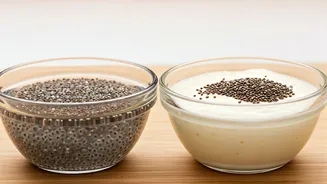
Fermented dairy products like Greek yogurt offer delightful tangy flavors and significant anti-inflammatory advantages. Studies have shown that individuals who regularly consume yogurt tend to have lower levels of chronic inflammation biomarkers compared to those who do not. Furthermore, the probiotics found in yogurt are crucial for fostering a healthy gut microbiome, which plays a pivotal role in the body's immune system function, as approximately 80% of immune cells reside in the gastrointestinal tract. The thick, creamy texture and higher protein content of strained, Greek-style yogurt make it a preferred option for enjoying with fruit, granola, or as a versatile ingredient in marinades, dressings, and as a substitute for creamier condiments.
Salmon's Fatty Acids
Incorporating sufficient seafood into the diet can be challenging for many, yet it is a prime source of lean protein and anti-inflammatory omega-3 fatty acids. For those concerned about heart health, regular consumption of fatty fish like salmon has been linked to reduced inflammation markers. Canned or pouched salmon offers exceptional convenience, being shelf-stable and easily transformed into quick meals like fish cakes, additions to salads, or a hearty snack spread on crackers. Its versatility makes it an invaluable asset for consistent nutrient intake.
Oats for Whole Grains
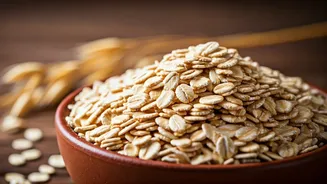
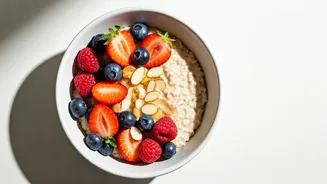
Whole grains, such as oats, are rich in phenolic compounds that exhibit notable anti-inflammatory effects. Research indicates that incorporating oats into the diet can lead to a reduction in systemic chronic inflammation, particularly in adults at risk for cardiovascular disease, often within just two weeks. Oats are incredibly adaptable, serving as a base for hearty oatmeal, a key ingredient in homemade granola, or an excellent fiber-rich addition to smoothies and baked goods, enhancing their nutritional profile.