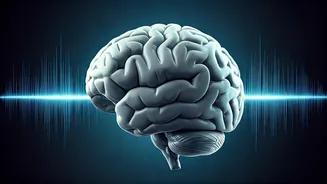









Sound's Healing Power
The concept of sound therapy, using specific sound frequencies to promote well-being, is not a novel one. The use of sound has been practiced for years,
with the belief that sound can influence the human body and mind. The basis of this is on the interaction of sound waves and the human body. Sound waves transmit vibrations that our bodies and brains interpret. Specific frequencies can stimulate relaxation, reduce stress, and even alter brainwave patterns. While the benefits of sound therapy are often linked to emotional wellness, it is now being looked at for its cognitive functions and potential in treating neurological disorders such as Alzheimer’s disease.
Brainwave Entrainment Explained
Brainwave entrainment is at the core of sound therapy. It's the process where the brain synchronizes its activity to an external rhythm, such as specific sound frequencies. The brain naturally generates different types of waves, including alpha, beta, theta, and delta waves, each associated with different states of consciousness. The hypothesis is that by using sound frequencies that correspond to certain brainwave patterns, we can stimulate specific mental states. For Alzheimer's patients, the idea is to entrain brainwaves associated with improved cognitive function, such as enhanced memory and focus. This can be achieved through various methods, including binaural beats, isochronic tones, and music therapy.
Therapy's Research Landscape
The potential of sound therapy in treating Alzheimer's disease is currently being investigated through a range of research. Some studies involve exposure to specific frequencies or musical interventions. In these studies, researchers observe the impact on cognitive abilities, emotional regulation, and overall quality of life. The initial findings have been encouraging. Some early studies suggest that sound therapy may improve memory, reduce anxiety, and enhance sleep quality in people with Alzheimer’s. However, it is essential to highlight that the research is still in its early stages. Large-scale clinical trials are required to validate these findings, establish optimal treatment protocols, and understand the long-term effects of this therapy.
Implications & Future
If proven effective, sound therapy could revolutionize the treatment of Alzheimer's disease. As a non-invasive and drug-free approach, it has the potential to offer a safe and accessible treatment option. It could complement existing treatments and provide significant benefits for both patients and caregivers. Future research is likely to focus on several areas. Scientists will continue to refine sound frequencies and treatment protocols to optimize their effectiveness. They will also investigate the underlying mechanisms by which sound influences brain function, with the aim of developing personalized therapy approaches that are tailored to the specific needs of individuals with Alzheimer’s disease. It is an exciting time for sound therapy.