



The Information Overload
The digital realm has revolutionized how we approach skincare, with social media influencers promising rapid results and a vast ocean of information readily
available. However, this accessibility comes with a significant downside. Dermatologists are observing a surge in patients presenting with aggravated skin conditions, delayed diagnoses, and direct damage stemming from trend-driven practices and self-treatment. The sheer volume of information, mixed with misinformation, leaves many confused about what products and routines are truly beneficial and what can be detrimental. Patients often find themselves applying too many active ingredients, combining incompatible products, or pursuing treatments without a proper understanding of their specific skin concerns. This makes clinical management significantly more challenging. For instance, conditions like fungal infections might be exacerbated by the improper use of topical steroids, while rosacea could be misidentified as acne, leading to the use of retinoids that trigger flare-ups. This phenomenon is often dubbed 'do-it-yourself dermatology,' where misinformation spreads far quicker than evidence-based approaches, resulting in overuse of potent ingredients and compromised skin barriers.
Beyond Aesthetics: Skin's True Role
Experts emphasize that the current obsession with aesthetics overlooks the skin's fundamental importance. Skin is far more than just a canvas for cosmetic treatments; it's a vital organ, the body's primary defense against environmental aggressors, and crucial for maintaining internal equilibrium and sensory functions. It serves as a mirror to our internal health and immune system activity, meaning that subjecting it to unnecessary or harsh products can disrupt these critical processes. The skin performs several essential functions, including acting as a barrier, supporting immune responses, regulating temperature, managing water balance, and facilitating sensory input. It also plays a role in the synthesis of Vitamin D. When this protective barrier is compromised by aggressive skincare regimens, it can predispose individuals to issues like acne, discoloration, and persistent inflammation. Furthermore, scientific studies indicate that many systemic diseases initially manifest on the skin, highlighting its significance as a diagnostic tool rather than merely a superficial feature.
Prevalence and Persistent Myths
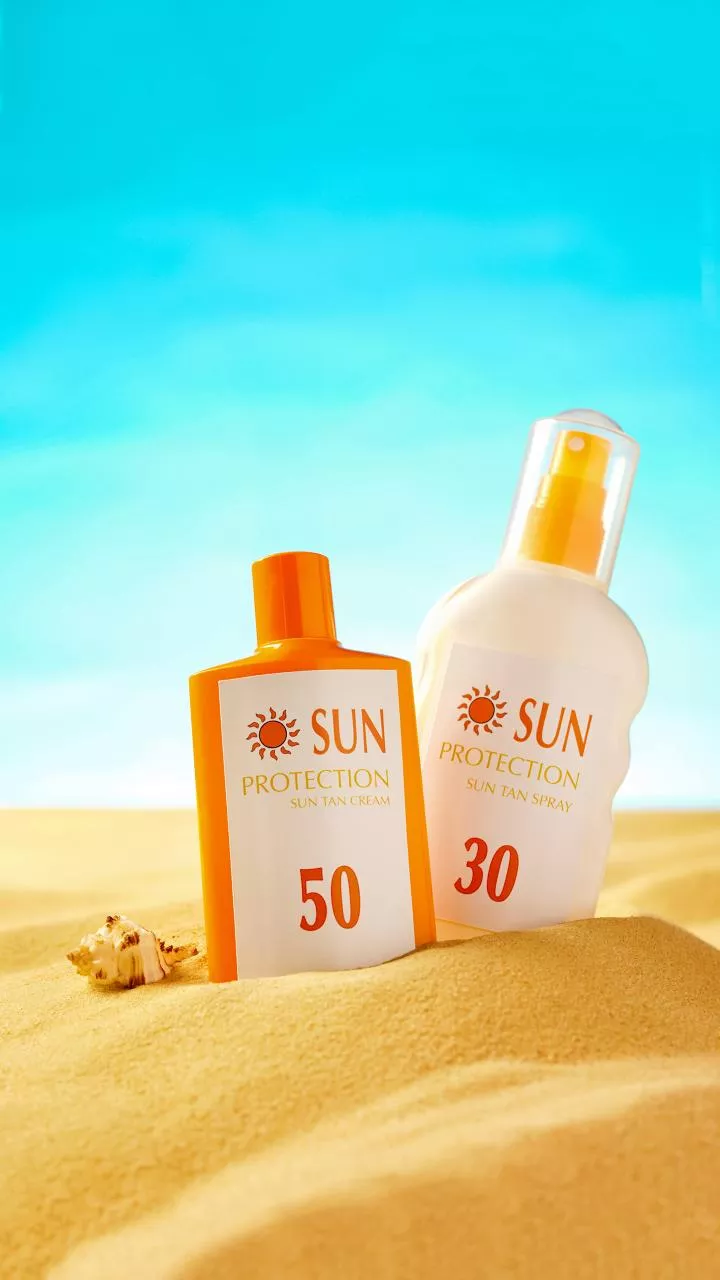
Skin conditions represent a significant global health burden, affecting approximately one in three individuals worldwide at any given time. In India, dermatologists frequently encounter issues such as acne, eczema, pigmentation problems, and a high incidence of fungal infections, particularly in tropical regions where an estimated 20–25% of the population is affected. The problem is often compounded by the misuse of over-the-counter medications, especially steroid-based creams, which can worsen infections, prolong recovery, and increase the likelihood of recurring issues. A prevalent myth is that sunscreen use leads to Vitamin D deficiency. However, experts clarify that the amount of sunscreen applied is insufficient to significantly hinder Vitamin D synthesis, with diet and supplements playing a more crucial role. Many populations with high sun exposure still experience Vitamin D deficiency, underscoring that sunlight alone isn't the sole determinant. Another common misconception is that all 'natural' ingredients are safe; substances like lemon or baking soda can cause irritation. Additionally, the notion that more products equate to better results is misguided, and acne is often mistakenly viewed as a hygiene issue rather than a complex inflammatory condition. The use of unverified home remedies and products lacking scientific backing or regulatory approval is strongly cautioned against.
The Path to Healthier Skin
Dermatologists are increasingly treating patients who have already experienced significant skin damage, often from misguided home treatments. Cases of skin damage from topical steroids and adverse reactions to chemical peels applied at home are common. Fungal infections continue to be frequently misdiagnosed and mistreated, leading to delays in effective care. The misuse of potent peels and active ingredients, often driven by viral online trends, has also led to a rise in what's termed 'topical steroid-damaged face' and other forms of unsupervised damage. Self-treatment attempts not only exacerbate existing conditions but also complicate subsequent clinical management. Despite the complexities introduced by online trends, dermatologists stress that a robust skincare regimen doesn't need to be complicated. For most individuals, a basic routine involving a cleanser and sunscreen is sufficient, with moisturizers added as needed based on skin type. Internal health is also paramount, as the skin reflects the body's overall condition. Lifestyle factors like adequate hydration, sufficient sleep, and mental well-being are integral to skin health. Over-exfoliation and the unnecessary layering of numerous products should be avoided, and guidance from a dermatologist, especially when using active ingredients, is highly recommended.
When to Seek Help
Experts universally recommend consulting a dermatologist if a skin condition fails to improve within a few days or shows signs of deterioration. Any rash that persists for more than two to three days, or is accompanied by severe itching, discharge, or unusual sensitivity, warrants professional evaluation. Likewise, sudden onset of persistent redness, significant changes in pigmentation, increased acne flare-ups, or the appearance of new growths are all indicators that medical attention is required. While the digital era has democratized access to skincare information, it has simultaneously normalized self-treatment and trend-following practices that can pose risks to skin health. Therefore, it's crucial to discern credible advice from fleeting trends and to prioritize professional dermatological guidance for optimal and lasting skin well-being.