





A Fleet of Payloads
The 16th iteration of SpaceX's dedicated rideshare program, known as Transporter-16, achieved a significant milestone by carrying a substantial collection
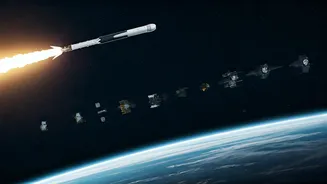
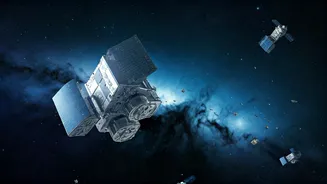
of 119 payloads into space. This diverse cargo included a variety of small satellites, such as CubeSats and microsats, alongside hosted payloads designed for specific research or operational purposes. Notably, the mission also transported reentry vehicles, hinting at experiments involving atmospheric re-entry, and orbital transfer vehicles that are programmed to deploy an additional eight payloads at a later, opportune moment. This multifaceted approach highlights the growing utility of rideshare missions for a broad spectrum of space-based activities, from scientific exploration to technological demonstration.
Rocketry and Recovery
The launch vehicle for this ambitious endeavor was the reliable Falcon 9 rocket, which lifted off from Vandenberg Space Force Base in California. Following its crucial role in propelling the 119 payloads toward their orbital destinations, the rocket's first stage executed a flawless landing. Approximately 8.5 minutes after liftoff, the booster made a controlled descent onto the droneship named "Of Course I Still Love You," strategically positioned in the Pacific Ocean. This particular booster marked a significant achievement, having now completed its 12th launch and landing sequence, underscoring the reusability and efficiency that SpaceX strives for in its launch operations. Meanwhile, the Falcon 9's upper stage continued its mission, deploying the payloads into low Earth orbit.
Orbital Deployment Begins
Once the Falcon 9's upper stage successfully delivered its payload complement to the designated low Earth orbit, the process of deploying the 119 satellites and other payloads commenced. This intricate orbital ballet began approximately 55 minutes after the initial liftoff from the California launch site. Each payload was released according to its specific mission requirements and orbital trajectory, marking the start of their operational lives in space. This timely deployment is a testament to the precision engineering and mission planning involved in executing such a complex rideshare mission, allowing numerous customers to access space efficiently.