







Prevention is Key
Maintaining a tidy home can feel like an uphill battle, with belongings constantly threatening to take over. However, seasoned professional organizers
agree that the most effective approach to combating clutter isn't about constant tidying, but rather about preventing it from accumulating in the first place. This proactive strategy shifts the focus from reactive clean-ups to a more sustainable, long-term solution. By implementing simple, mindful practices before items even cross your threshold, you can significantly reduce the need for future decluttering efforts. The consensus among these experts is clear: the best way to manage clutter is to avoid inviting it in.
Mindful Acquisition Habits
The journey to a clutter-free existence begins long before an item enters your home, with mindful purchasing decisions. Before you buy anything, pause and assess your current belongings and available space. Ask yourself if the new item truly has a designated place and if it will genuinely enhance your life, rather than just add to the visual noise. It's about purchasing with purpose, not succumbing to impulse buys. Understanding what you already own is crucial; this awareness prevents unnecessary duplicates. Furthermore, consider the item's practical application in your daily routine. Will it be used frequently, or is it a fleeting desire? Exploring alternatives like borrowing or renting for seldom-used items can also dramatically curb unnecessary acquisitions and keep your living space serene and organized.
Strategic Entry Management
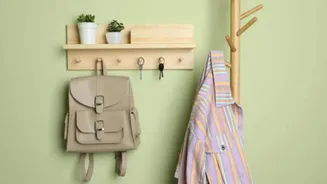
To successfully prevent clutter from infiltrating your sanctuary, it's vital to establish a robust system for managing incoming items. One highly recommended practice is to actively avoid accumulating freebies, whether they come in the form of promotional items, samples, or gifts. Each potential addition should be evaluated for its genuine utility and necessity. Similarly, dealing with mail and magazines promptly is essential; don't let them become paper piles. Discard packaging materials immediately upon bringing them home, and recycle or donate magazines once you've finished reading them. The 'One Touch Rule' is a powerful tool: when you handle an item, decide its fate then and there – put it away, discard it, or donate it – rather than postponing the decision. Creating a designated 'drop zone' near your entrance, equipped with bins for trash, recycling, and donations, further supports this intentional management of incoming goods, allowing for immediate and conscious decisions about what stays and what goes.