





Salt's Essential Role
Salt, a cornerstone of our culinary world, plays a far more significant role than just elevating food's taste. It's fundamental to numerous biological
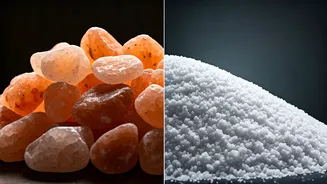
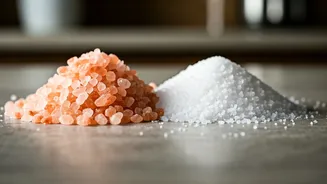
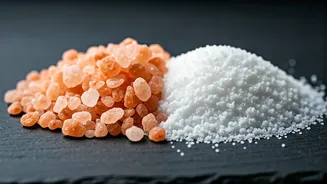
processes within the human body. Crucially, it assists in maintaining proper fluid equilibrium throughout our system, ensuring cells and organs function optimally. Furthermore, salt is indispensable for the transmission of nerve impulses, allowing for communication between the brain and the rest of the body. It also plays a part in the regular contraction and relaxation of our muscles, preventing issues like cramps, particularly for those with active lifestyles. Both white and pink salt are primarily composed of sodium chloride, providing these essential functions regardless of their origin or color.
The Iodine Advantage
While both pink and white salt are predominantly sodium chloride, white salt often holds a distinct advantage due to the fortification with iodine. Iodine is a critical micronutrient that the human body cannot produce on its own, making dietary intake essential. It plays a pivotal role in the proper functioning of the thyroid gland, a small gland located at the base of the neck responsible for producing hormones that regulate metabolism. Insufficient iodine intake can lead to a range of health issues, collectively known as Iodine Deficiency Disorders (IDDs). These can manifest as an enlarged thyroid gland (goiter), developmental delays in children, and cognitive impairments. White, or table salt, is a common and accessible source of iodine in many diets, helping to mitigate the risk of these deficiencies.
Pink Salt's Mineral Myth
Pink salt, celebrated for its distinct hue and often marketed with a plethora of health benefits, does indeed contain a spectrum of up to 84 additional trace minerals and elements beyond sodium chloride. These can include potassium, calcium, magnesium, and various other less common minerals. However, the quantity of these additional minerals present in typical consumption amounts of pink salt is remarkably small. Expert analysis suggests that one would need to consume an extraordinarily large quantity, approximately 1.7 kilograms, of pink salt to meet the daily recommended intake of a single mineral like potassium. Consequently, the minuscule concentrations mean that these extra minerals offer negligible health benefits that cannot be achieved through a balanced diet.
Expert Recommendations
Nutritionists generally advise a balanced approach to salt consumption, emphasizing that the perceived health superiority of pink salt over white salt is largely unsupported by scientific evidence. While pink salt can be a visually appealing choice for finishing dishes, like sprinkling on salads, its substitution for iodized white salt in cooking is not recommended. The potential health claims associated with pink salt often stem from its trace mineral content, which, as previously noted, are present in insufficient quantities to impact health significantly. The primary benefit of white salt, particularly its iodine content, is crucial for preventing thyroid-related issues. Therefore, rather than a complete replacement, experts suggest using both types of salt judiciously – white salt for everyday cooking and pink salt for occasional culinary enhancement.