



Broccoli's Frozen Boost
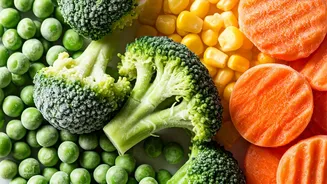
Broccoli stands out as a prime candidate for freezer aisles. Its vibrant green florets are typically harvested and flash-frozen within hours, a process
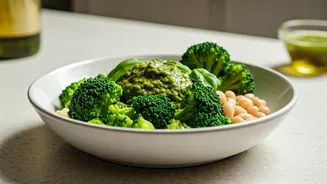
that masterfully locks in essential vitamins, particularly vitamin C. Unlike fresh broccoli, which can suffer nutrient loss during transit or days spent in your refrigerator, frozen broccoli maintains its nutritional integrity. For optimal texture, it's recommended to cook it directly from its frozen state, whether by roasting or steaming. When selecting frozen broccoli, opt for bags with individual florets rather than large, consolidated blocks, as this often indicates the product hasn't undergone repeated thawing and refreezing. It's also wise to steer clear of varieties coated in heavy sauces or pre-seasoned with excess salt.
Cauliflower's Cold Strength
Cauliflower, a member of the potent Brassica family, offers significant health benefits, including compounds with potential anticancer properties. Research indicates that freezing cauliflower can help preserve these beneficial compounds, which might otherwise diminish during cooking. Frozen cauliflower is frequently more economical than its fresh counterpart, especially outside its peak season, and it generally retains a pleasing texture after thawing. Its versatility in the kitchen is remarkable; frozen florets are excellent for roasting, mashing, or enriching soups. For those seeking convenience in dishes like smoothies or sauces, frozen riced cauliflower is an ideal choice. To achieve a less watery texture when roasting frozen cauliflower, a slightly higher cooking temperature is often advised.
Spinach: Leafy Green Power
While many delicate leafy greens don't fare well in freezing due to their high water content, spinach is a notable exception. This dark leafy green is an exceptional way to elevate the nutritional profile of your meals. Pre-washed and chopped frozen spinach saves valuable preparation time, making it easy to toss a handful into smoothies, soups, sauces, or casseroles to amplify their nutrient density. When purchasing frozen spinach, it's best to choose plain varieties, avoiding those with added cream or seasonings. There's typically no need to thaw it before adding it directly to hot dishes like soups, stews, and sauces, instantly boosting their nutritional value and contributing a mild flavor that complements many recipes.
Peas: Sweetness Preserved
Fresh peas are best enjoyed very soon after purchase, as their vitamin C content can diminish rapidly. Frozen peas, however, are a remarkable exception, retaining almost all of their valuable vitamin C, especially when compared to other preservation methods like canning or drying. These small, naturally sweet spheres freeze exceptionally well, maintaining both their delightful texture and vibrant flavor. Their small size means they cook quickly, making them a perfect addition to rice or pasta dishes, where they should be added during the final few minutes of cooking. When shopping for frozen peas, look for bags filled with bright green peas that show no signs of excessive ice buildup, which could indicate a less than ideal freezing process.