





From Fiction to Reality
The concept of a widespread, zoonotic disease jumping from animals to humans, once relegated to cinematic fiction like the 1995 film 'Outbreak,' has become
a stark reality with the COVID-19 pandemic. This film, though dramatic, foreshadowed the interconnectedness of human, animal, and environmental health, which is now central to the 'One Health' philosophy. Initially, practical implementation of this integrated approach progressed slowly, despite its recognition of the essential links between the well-being of people, animals, and ecosystems. The core principles, long before the term 'One Health' was officially adopted around 2003-2004, gained momentum with the emergence of Severe Acute Respiratory Syndrome (SARS) and later avian influenza (H5N1). The 'Manhattan Principles' from a 2004 meeting were particularly influential, highlighting the direct connection between animal health and human health, and the significant threats posed to global food security and economies by emerging diseases originating in animals. Scientific consensus now firmly establishes that a vast majority of novel infectious diseases that cross into humans stem from animal populations, driven by human activities such as environmental degradation, agricultural intensification, urbanization, and extensive travel and trade networks.
The One Health Framework
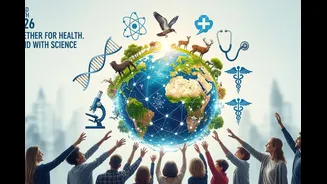
The One Health approach is a comprehensive, unifying strategy designed to achieve a sustainable balance and optimization of the health across human, animal, and ecological systems. It advocates for a collaborative effort involving numerous sectors, diverse disciplines, and various communities to enhance overall well-being and effectively combat threats to both health and the environment. The COVID-19 pandemic served as a pivotal moment, compelling even hesitant nations to invest in this integrated approach by vividly demonstrating the consequences of poor coordination and the significant benefits of seamless collaboration. The rapid, global development of vaccines was a direct result of collective sharing of SARS-CoV-2 genetic data and the study of human genetic factors influencing susceptibility to the virus. Further solidifying this global commitment, the WHO Pandemic Agreement, adopted on May 20, 2025, is a legally binding international treaty aimed at bolstering global prevention, preparedness, and response mechanisms for future pandemics. A key feature of this agreement is its focus on equity, establishing a system for accessing and sharing pathogens and their benefits to ensure swift dissemination of pathogen data and fair distribution of essential medical countermeasures like vaccines and treatments.
Global and National Initiatives
Internationally, the One Health initiative is spearheaded by a collaborative effort known as the Quadripartite, comprising the World Health Organization (WHO), the Food and Agriculture Organization (FAO), the United Nations Environment Programme (UNEP), and the World Organisation for Animal Health (OIE). In October 2022, these organizations collectively launched the One Health Joint Plan of Action. Following the COVID-19 pandemic, the Indian government has actively accelerated its collaborative strategies to better manage future health crises. A significant step in this direction is the establishment of the National One Health Mission, a concerted initiative designed to unify the human, animal, and environmental health sectors. This mission explicitly aims to improve pandemic preparedness, enhance disease surveillance systems, and strengthen control measures for zoonotic diseases. With growing evidence highlighting the impact of climate change stressors on natural systems, addressing the effects of extreme weather events has become paramount. While India has implemented various national programs to advance on this path, ongoing monitoring, rigorous evaluation, and timely interim mitigation strategies are crucial for sustained progress.
State-Led Innovations
In the context of addressing climate change and its impacts, several state-led initiatives in India offer inspiring models for replication and widespread adoption. For example, Odisha has pioneered a Climate Budget, a mechanism designed to meticulously track expenditures related to climate-resilient development. Kerala has implemented a participatory approach to carbon-neutral planning in areas like Meenangadi, fostering community involvement in sustainability efforts. Furthermore, Tamil Nadu has launched forward-thinking projects such as the Green Climate Company and the innovative Cool Roof Project in Chennai, aiming to mitigate urban heat island effects and reduce energy consumption. These examples demonstrate a proactive engagement at the sub-national level, contributing to the broader national agenda of building resilience against environmental challenges and integrating these efforts with broader health security goals. Such localized successes underscore the importance of flexible and context-specific strategies within the overarching framework of the One Health approach.
The Way Forward
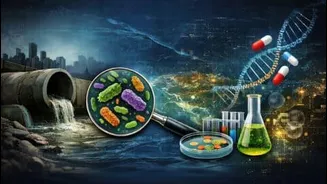
The ongoing One Health Summit in Lyon, France, timed with World Health Day, is focusing on key factors that contribute to both infectious and non-communicable diseases. Discussions center on critical areas such as zoonotic reservoirs, disease vectors, antimicrobial resistance (AMR), the sustainability of food systems, and exposure to environmental pollutants. The summit aims to foster robust international and interdisciplinary dialogues concerning global health challenges, with a particular emphasis on cooperation and the proposal of effective solutions to strengthen health systems. A significant objective is to re-evaluate and realign global institutional frameworks to better align with the overarching goals of One Health. WHO Director-General Tedros Adhanom Ghebreyesus emphasized in 2023 the compelling logic behind this approach, stating that it 'makes public health sense, economic sense and common sense.' In our increasingly interconnected world, acknowledging and actively acting upon these intricate connections is the only logical and sustainable path forward for global health and security.