





The Pre-EMR Era
Imagine a time when crucial medical information was physically stored, often in hard-to-read handwriting, and could only be accessed in one place at a time.
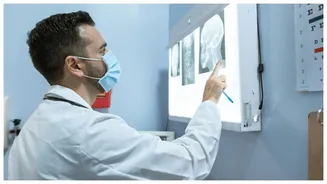
This was the reality before Electronic Medical Records (EMRs). Hospitals operated akin to vast, disorganized libraries, with doctors and residents spending valuable time physically retrieving X-rays and patient charts. Legibility was a constant battle, leading to potential safety hazards, and vital details could be lost in lengthy paper records. Information from previous hospitalizations at different facilities was practically non-existent, creating significant gaps in a patient's medical history and hindering comprehensive care. This era was characterized by delays, the risk of misplaced information, and a reactive approach to patient management, often dependent on chance and manual effort.
EMR's Gradual Arrival
The transition to Electronic Medical Records began as a slow but discernible shift. Early EMR systems, while providing a valuable source of organized data, were often sluggish and cumbersome to use. Physicians encountered systems that were functional but inefficient, requiring patience and adaptation. Despite the initial drawbacks, the trajectory was clear: this digital revolution in healthcare was not just a possibility but an inevitability. As technology advanced, EMR systems became more streamlined and user-friendly. The gradual improvement in speed and accessibility signaled a paradigm shift, moving from a system reliant on physical records and manual retrieval to one that offered digital access and integrated data, laying the groundwork for the profound changes to come.
Immediate Access, Enhanced Care
The impact of EMRs is vividly illustrated by how they enable immediate, informed medical decisions. For instance, a physician can now receive an alert on their phone about a patient experiencing chest pain. Within moments, they can access the patient's complete medical history, including previous EKGs, prior stent placements, known allergies, and current lab results, all from their home. This rapid access allows for swift diagnosis, such as identifying a heart attack and determining if it's a new event based on historical data. This contrasts sharply with the past, where such a situation would have necessitated a trip to the hospital, potentially leading to delays and even unnecessary procedures. The convenience and speed offered by EMRs directly translate into more timely and effective patient care.
Safety First: Preventing Errors
One of the most profound benefits of Electronic Medical Records is their direct contribution to patient safety. When healthcare providers order medications, EMR systems possess the capability to instantly flag potential drug interactions that might otherwise be overlooked, especially during busy or late-night shifts. These systems can alert clinicians to past adverse reactions a patient experienced with similar medications at different institutions, or warn against prescribing drugs that could be harmful given a patient's specific kidney function. These are not merely theoretical advantages; medication errors are a significant cause of harm in healthcare globally. Electronic prescribing, coupled with integrated clinical decision support tools within EMRs, actively prevents thousands of such errors daily, significantly enhancing patient well-being and reducing preventable harm.
Transforming Healthcare Systems
Beyond individual patient interactions, Electronic Medical Records have catalyzed systemic improvements within the healthcare landscape. The systematic collection and measurement of patient outcomes have become feasible, enabling robust quality improvement initiatives. Furthermore, medical research has been dramatically accelerated, as researchers can now analyze vast datasets encompassing thousands of patient records to identify crucial patterns and trends. Perhaps most significantly, EMRs have democratized access to healthcare information, granting patients real-time visibility into their own medical data. This empowerment allows individuals to review test results, read physician notes, and track their medications, often leading to the identification and correction of documentation inaccuracies, thus fostering a more collaborative and precise approach to care.
Patient Empowerment and Engagement
The advent of Electronic Medical Records has fundamentally shifted the patient's role from passive recipient to active participant in their healthcare journey. Patients now possess the unprecedented ability to access their own medical information, including test results, physician notes, and prescription details, often through secure online portals or mobile applications. This transparency empowers individuals to become more informed and engaged in managing their health. Frequently, patients can spot discrepancies, such as a medication they’ve stopped using still appearing on their record, or an allergy noted incorrectly as an intolerance. Promptly reporting these issues allows for immediate correction, enhancing the accuracy of their medical profile and contributing to overall patient safety in ways previously unimaginable. This increased patient engagement fosters a stronger partnership between patients and providers.
Lessons from the Pandemic
The global COVID-19 pandemic served as a powerful testament to the indispensable role of Electronic Medical Records. During this crisis, EMRs facilitated the rapid dissemination of treatment protocols among hospitals, enabling a more unified response. Researchers leveraged the vast stores of data within EMR systems to analyze millions of patient records, quickly identifying critical risk factors and effective therapeutic strategies. Telemedicine, which heavily relies on the infrastructure provided by EMRs, became a vital lifeline, ensuring continuity of care when in-person visits were either impossible or dangerous. This period highlighted the resilience and adaptability that EMRs bring to healthcare systems, proving their value in managing unprecedented public health challenges and maintaining essential medical services.
The Future is Digital
Reflecting on the past, the arduous tasks of physically searching for medical films and navigating illegible paper charts now seem like relics of a bygone era. Electronic Medical Records have eliminated much of the administrative tedium that contributed to physician burnout and have significantly reduced preventable medical errors and redundant testing. While EMR systems are not without their challenges, requiring continuous improvements in usability and interoperability, they undeniably represent this century’s most significant medical advancement. They have paved the way for safer procedures, more efficient practices, and a more connected healthcare ecosystem. The continued integration of technologies like Artificial Intelligence, supervised by human expertise, promises even further boundless potential for healthcare innovation.