






Overnight Oral Danger Zone
While a morning brush offers a feeling of freshness, the real damage to your oral health often occurs while you sleep. When you skip brushing before bed,
you leave a feast for bacteria that thrive in the stagnant environment of your mouth overnight. Saliva, your mouth's natural defense and cleanser, significantly reduces its production during sleep. This means food particles and acids from the day's meals aren't washed away and instead create an acidic environment. Over several hours, this prolonged acid attack on your enamel can weaken it substantially, paving the way for cavities to form. The notion that a morning brush instantly rectifies this overnight neglect is a misconception, as the damage has already begun.
Morning Brush: Insufficient Defense
Many mistakenly believe that a single daily brushing session, particularly in the morning, is sufficient for maintaining oral hygiene. However, dental professionals emphasize that this is far from the truth. Brushing only once a day, especially if it's just in the morning, leaves your teeth vulnerable to bacterial activity for an extended period. Plaque, a sticky film of bacteria, begins to reform on your teeth within just a few hours of cleaning. Therefore, by the time you brush again the next morning, the plaque has had ample time to develop and produce harmful acids. From a clinical standpoint, brushing before sleep is considered non-negotiable because it effectively removes the accumulated plaque and food debris from the entire day, significantly reducing the overnight bacterial onslaught.
Escalating Consequences of Neglect
The habit of regularly skipping nighttime brushing can lead to a cascade of escalating dental problems. Initially, this neglect manifests as noticeable bad breath and a buildup of plaque on the teeth. However, if left unaddressed, this plaque gradually hardens into tartar, a substance that cannot be removed through regular brushing and necessitates professional dental intervention. The progression doesn't stop there; untreated plaque and tartar can foster gingivitis, an early stage of gum disease. If gingivitis is not managed, it can advance to periodontitis, a severe gum infection that damages the soft tissue and bone supporting your teeth, ultimately leading to tooth loss. Furthermore, chronic inflammation within the gums has been linked to various systemic health issues, underscoring the broader implications of poor oral hygiene.
Prioritizing Prevention Daily
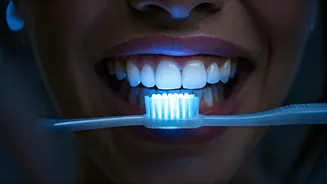
Achieving optimal oral health is less about occasional intensive cleaning and more about cultivating consistent daily habits. The most effective strategy for safeguarding your teeth and gums involves a simple yet powerful routine: brushing twice a day. Crucially, one of these brushing sessions must take place before bedtime. Using a fluoride toothpaste during both sessions enhances the protection by strengthening tooth enamel and combating decay. This consistent approach to oral care acts as a proactive measure, preventing the build-up of harmful bacteria and acids that can cause irreversible damage. By making nighttime brushing a non-negotiable part of your daily regimen, you significantly reduce the risk of cavities, gum disease, and other serious dental complications, contributing to your overall health and well-being.