







Germination Timelines Unveiled
Embarking on the journey to a greener lawn begins with understanding how long it takes for those tiny seeds to sprout. Most common grass varieties typically
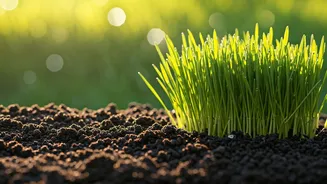
show signs of life within a two to three-week period. However, the precise germination cycle can vary, with some seeds starting to emerge in as little as 5 to 10 days, while others might take up to 3 weeks. Factors like the specific grass type, the prevailing season, and environmental conditions all influence this initial growth phase. For instance, Rye and Bermuda grass are known for their rapid germination, often appearing within 5-14 days. Centipede and Kentucky Bluegrass usually take a bit longer, germinating between 7-21 days, with Fescue and Zoysia grass requiring the most patience, typically emerging within 14-21 days. This initial germination period is a critical foundation for your lawn's future health and density.
Optimizing Soil Conditions
The foundation of any thriving lawn lies beneath the surface, in the soil. To give your grass seeds the best possible start, ensuring the soil has an optimal pH level is paramount. Aim for a pH range of 6.5 to 7.0, which creates an environment where grass seeds can readily absorb essential nutrients and grow robustly. If your soil's pH is outside this ideal zone, it may require amendments. This could involve adding mineral or nutrient-rich mixes to adjust the balance, making it more hospitable for germination and subsequent growth. Before you even think about scattering seeds, take the time to prepare the ground by removing any surface debris such as fallen branches, stones, or dead plant matter. You may also want to level any noticeable depressions in your lawn with a suitable soil mixture, creating a uniform surface for even seed distribution and growth.
Temperature's Crucial Role
Temperature is a significant environmental cue that dictates the pace at which grass seeds will germinate and grow. For cool-season grasses, the ideal soil temperature for planting and growth hovers between 50°F and 60°F. When soil temperatures climb above this range, the growth rate of these types of grasses begins to decelerate. Conversely, warm-season grasses flourish under warmer conditions; they thrive when soil temperatures are consistently above 65°F to 70°F. Understanding the specific temperature needs of your chosen grass type, and aligning your planting schedule with the appropriate season and local climate, is key to achieving successful germination and vigorous growth. Planting cool-weather grasses in the fall and warm-weather varieties when nightly temperatures consistently reach the 50°F mark in your planting zone are strategic approaches recommended for optimal results.
Sunlight and Moisture Balance
The amount of sunlight your lawn receives directly impacts how quickly grass seed will grow. Grass exposed to full sunlight generally germinates and grows faster because it can harness more solar energy throughout the day, fueling its development. In contrast, areas that are predominantly shaded will experience slower growth. Moisture management is equally vital, but it requires a careful balance. While keeping the soil consistently moist is essential for germination, over-saturation can be detrimental and hinder growth. In shaded areas, water tends to evaporate more slowly, meaning the soil retains moisture for a longer period. Therefore, it's advisable to water these shadier spots less frequently than sunnier parts of your lawn to prevent the soil from becoming waterlogged and suffocating the developing seeds.