




Navratri: More Than Restriction
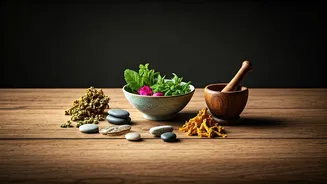
Navratri, often perceived as a period of strict dietary limitations, offers a profound opportunity for internal rejuvenation from an Ayurvedic perspective.
Far from merely cutting out certain foods, the festival encourages a mindful shift in eating habits to support the body's natural rhythms. As seasons change, our digestive fire, or 'agni', can become imbalanced, affecting how we process food. Ayurvedic principles advocate for lighter, easily digestible meals during these transitional times to provide the digestive system with a much-needed pause. This allows it to reset, enhancing its efficiency and promoting a sense of lightness and clarity throughout the body. Embracing these dietary adjustments is key to harmonizing with the seasonal shift and fostering overall well-being.
Day 1: Sama Rice Khichdi
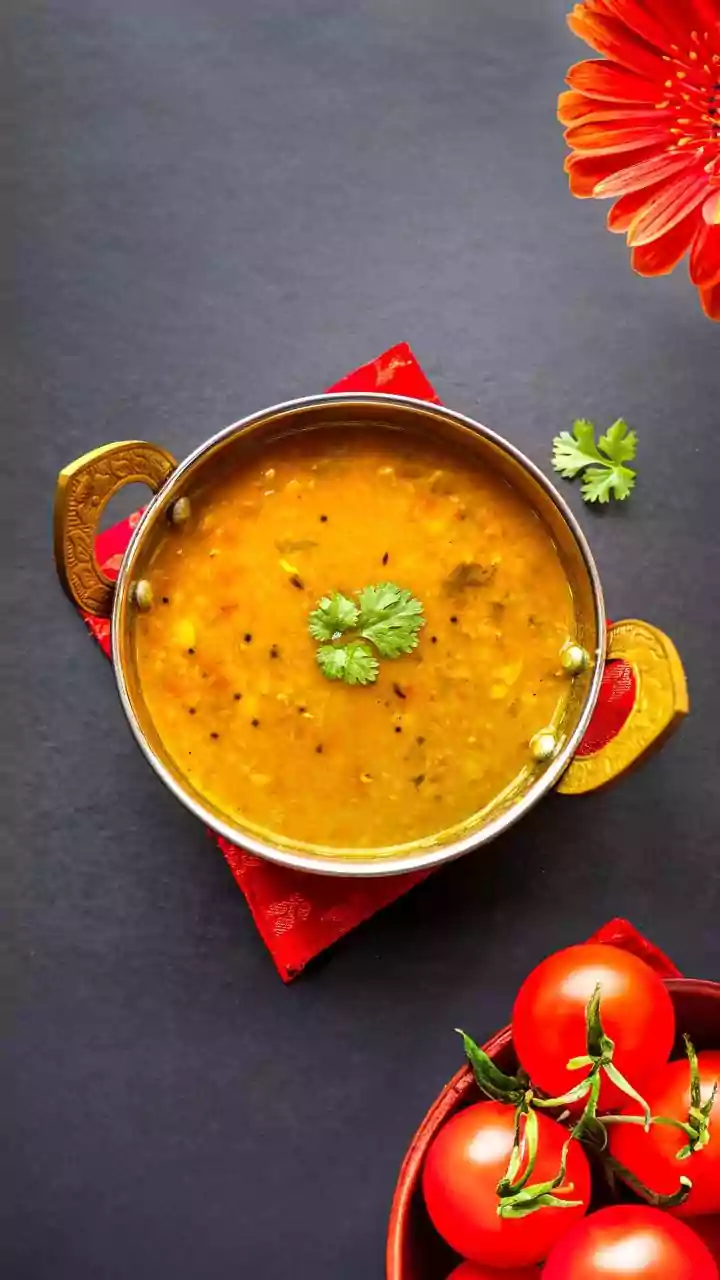
Begin your Navratri fasting journey with a gentle and easily digestible Sama rice khichdi. This comforting dish, prepared with mild, warming spices, is ideal for soothing the digestive system on the first day. The soft texture and simple preparation ensure it’s light on the stomach, laying a foundation for the days to come. The use of Sama rice, a gluten-free grain often consumed during fasts, combined with minimal spices like cumin and turmeric, aids in promoting a sense of calm and nourishment without overburdening your agni. It’s a foundational meal designed to prepare your body for a week of mindful eating and internal cleansing.
Day 2: Roasted Makhana Delight
For the second day, opt for roasted makhana (fox nuts) seasoned with a touch of rock salt and a drizzle of ghee. This light yet satisfying snack provides a gentle energy boost without causing heaviness. Makhana are known for their cooling properties and are easily digestible, making them a perfect fasting food. The subtle flavour of rock salt complements their natural taste, while a small amount of ghee adds a touch of richness and helps in nutrient absorption. This simple preparation keeps the digestive load minimal, ensuring you feel sustained and nourished throughout the day.
Day 3: Lauki Soup Serenity
Day three calls for a hydrating and stomach-friendly lauki (bottle gourd) soup, infused with jeera (cumin) and ginger. Lauki is predominantly water, making it incredibly light and easy for the body to process, while ginger aids digestion and calms any Vata imbalances. Cumin adds its characteristic warmth and digestive benefits. This soup is a soothing balm for the digestive tract, providing essential hydration and nutrients without any heaviness. Its gentle nature makes it an ideal choice for supporting the body's detoxification process during the fast.
Day 4: Kuttu Roti & Curd
On the fourth day, enjoy kuttu (buckwheat) roti served with a side of light curd. Kuttu flour is a nutritious and easily digestible option commonly used during Navratri. The roti provides a wholesome carbohydrate base, while the cooling and probiotic-rich curd aids digestion and offers a balanced flavor contrast. Ensure the curd is fresh and not too sour to maintain digestive comfort. This combination offers sustained energy and satiety, remaining light enough to support the fasting period without compromising on taste or nourishment.
Day 5: Sweet Potato Chaat
Mid-week, a subtly filling sweet potato chaat, seasoned with lemon juice and black pepper, offers a delightful change. Sweet potatoes are a good source of complex carbohydrates and fiber, providing sustained energy. The addition of lemon juice aids digestion and adds a refreshing tang, while a pinch of black pepper stimulates agni. This chaat is prepared simply, often by boiling or steaming the sweet potato cubes, making it a clean and satisfying meal that appeases cravings without being heavy. It's a flavorful way to maintain energy levels while adhering to fasting principles.
Day 6: Sabudana Khichdi
The sixth day features sabudana (tapioca pearls) khichdi, enriched with roasted peanuts and aromatic curry leaves. Sabudana is a common fasting food, providing a source of energy. When prepared as khichdi with tempered spices like cumin seeds and mustard seeds, along with the crunch of peanuts and the fragrant notes of curry leaves, it becomes a flavourful and satisfying meal. It's important to cook the sabudana thoroughly to ensure it's light and easily digestible, avoiding any stickiness that might weigh down the system. This dish offers a good balance of carbohydrates and healthy fats.
Day 7: Fresh Fruit Bowl
Embrace simplicity on day seven with a vibrant bowl of fresh, seasonal fruits. This light and refreshing meal is easily digestible and packed with natural sugars, vitamins, and fiber. Opt for fruits like apples, papayas, bananas, or pomegranates, depending on what’s locally available and in season. The natural enzymes in fruits aid digestion, making them an excellent choice for a fasting day. This naturally sweet option provides a gentle cleanse and replenishes the body with vital nutrients without requiring any cooking or complex preparation, keeping the digestive system at ease.
Day 8: Singhara Flour Pancakes
On the eighth day, prepare light singhara (water chestnut) flour pancakes, ideally served with a cooling mint chutney. Singhara flour is another traditional choice for Navratri fasting, known for its subtle, earthy flavor and easy digestibility. These pancakes offer a delicate texture and can be made without oil or with minimal ghee. Paired with a refreshing mint chutney, which provides a zesty counterpoint and aids digestion, this meal is both satisfying and light. It’s a comforting yet clean option to keep your energy levels steady as the festival draws to a close.
Day 9: Mild Vegetable Stew
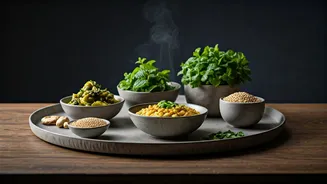
Conclude your Navratri fasting journey on day nine with a mild vegetable stew, prepared with minimal oil. This comforting dish features a medley of soft, easily digestible vegetables like zucchini, carrots, and bottle gourd, simmered in a light broth. The use of minimal oil and gentle spices ensures it remains easy on the digestive system. This warm, nourishing stew acts as a final gentle cleansing meal, helping to transition your body back to regular eating habits smoothly. It’s a wholesome and restorative way to end the nine days of mindful fasting.