
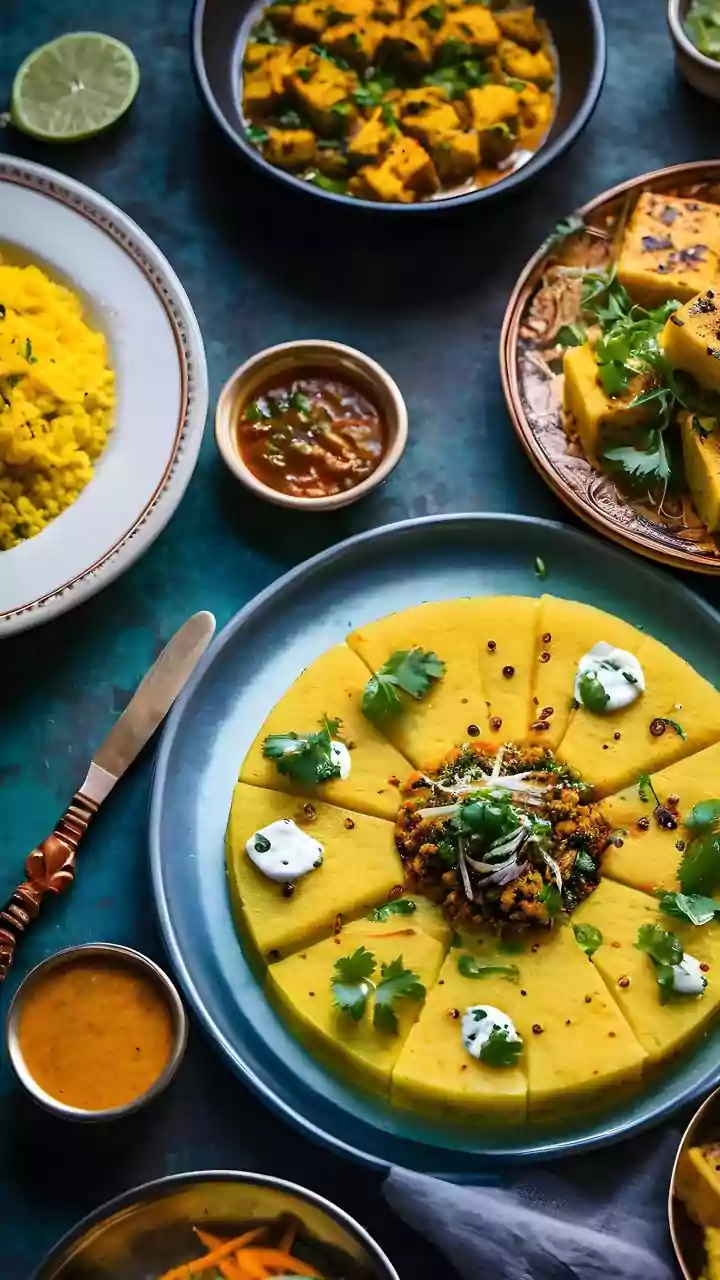


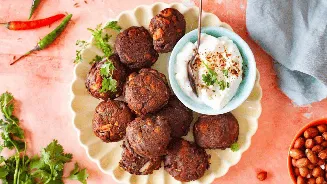

The Heart of Ashtami
Festivals in India are intrinsically linked with sweet treats, and Ashtami is a prime example where halwa takes center stage. This beloved dessert is not
just a culinary delight but also a significant part of religious offerings as prasad and a symbol of shared family joy. The beauty of halwa lies in its incredible adaptability, with each region and household boasting its own cherished rendition, steeped in nostalgia and cultural significance. From the straightforward goodness of wheat flour halwa to the opulent presence of dry fruit-laden varieties, these recipes offer more than just delicious flavors; they embody devotion and the spirit of celebration. Let's embark on a culinary exploration of the most cherished Ashtami halwa recipes that have been delighting generations.
Sooji Halwa Simplicity
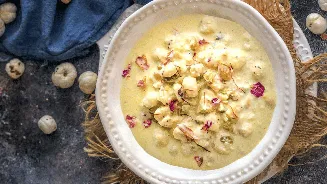
A quintessential favorite for Ashtami puja, Sooji Halwa, also known as Semolina Halwa, is a testament to simple ingredients yielding exquisite taste. Crafted from semolina, clarified butter (ghee), sugar, and water, it offers a comforting and rich experience. The process begins with the delightful aroma of semolina gently roasting in ghee, infusing the home with a festive scent. Elevating this classic further are garnishes of cardamom and a medley of dry fruits, transforming it into a truly divine offering. Its ease of preparation and universally loved flavor profile have cemented its status as a household staple, cherished for its quick preparation and deeply satisfying taste.
Wholesome Atta Halwa
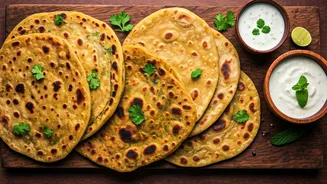
Atta Halwa, made from whole wheat flour, presents a heartier and more robust alternative. This version is known for its earthy notes and a slightly denser texture compared to its semolina counterpart. During Ashtami, it is frequently prepared in abundant quantities, particularly in North Indian kitchens, where it often accompanies puris and chana as a traditional prasad. The distinct nutty essence derived from roasting the atta in ghee, combined with sugar, results in a dish that is both nourishing and celebratory, offering a wholesome taste of tradition.
Sacred Kada Prasad
A highlight in many Punjabi households during Ashtami, Kada Prasad is a revered form of atta halwa. This sacred preparation meticulously uses equal proportions of ghee, sugar, and flour, resulting in an exceptionally smooth and melt-in-your-mouth consistency. It is often distributed in temples as a holy prasad, signifying purity and shared blessings. The perfect equilibrium of sweetness and richness creates an unforgettable gastronomic experience, deeply intertwined with spiritual devotion.
Nutty Besan Charm
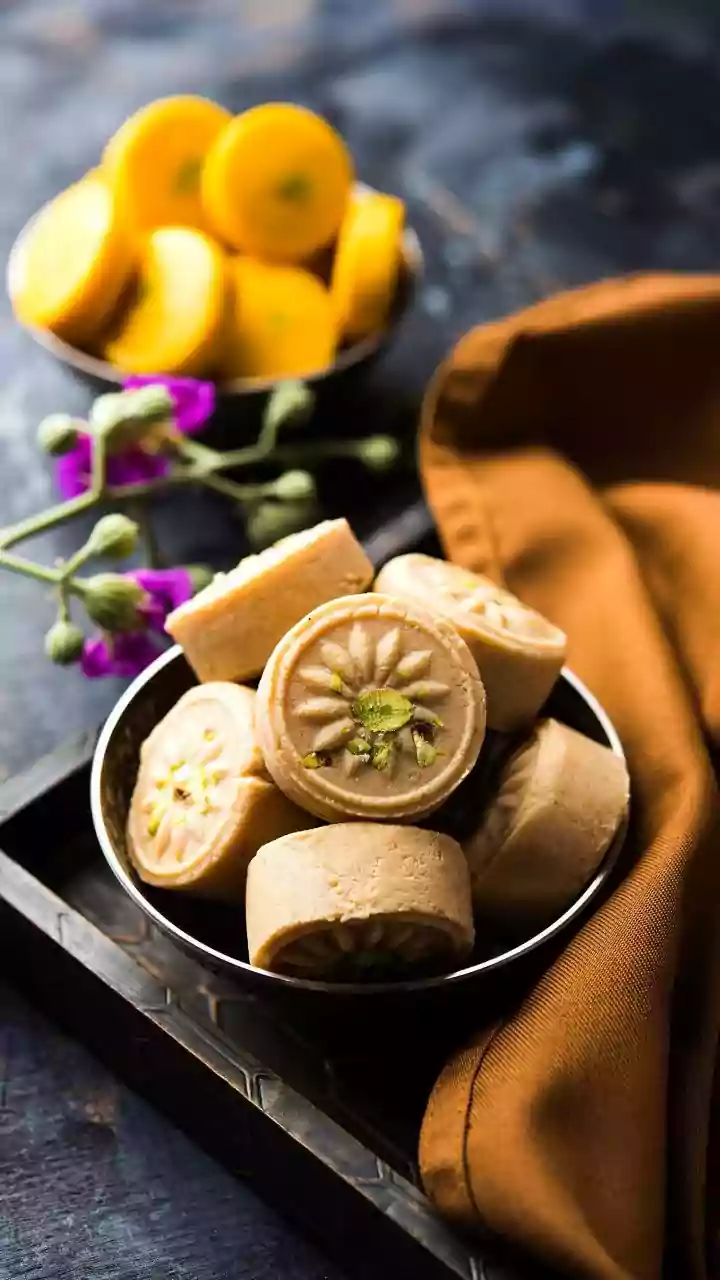
For those inclined towards a slightly different flavor profile, Besan Halwa, made from gram flour, offers a delightful alternative. This halwa boasts a distinct nutty character and a pleasingly fudgy texture. Its popularity during festive occasions like Ashtami stems from its hearty taste and excellent shelf life, allowing the celebratory flavors to linger. Enhancing its aromatic complexity, a touch of saffron or cardamom can be added, further elevating its already captivating flavor profile.
Luxurious Moong Dal
Moong Dal Halwa represents a more indulgent and often time-consuming culinary endeavor, typically reserved for truly special moments. This rich delicacy is prepared by soaking and then grinding moong dal, which is then patiently slow-cooked in ghee and sweetened with sugar. The payoff for this effort is an unparalleled richness and a uniquely grainy texture, complemented by an alluring aroma that makes it a festive favorite. While more elaborate than other halwas, its luxurious quality makes it a highly sought-after treat.
South's Rava Kesari
Hailing from South India, Rava Kesari is a vibrant semolina-based dessert, akin to halwa, characterized by its signature bright orange hue, achieved through saffron or food coloring. Prepared with semolina, sugar, ghee, and often flavored with cardamom, it's a staple at pujas and festive gatherings. The inclusion of cashews and raisins not only enhances its visual appeal but also contributes a delightful textural contrast and festive sweetness.
Decadent Dry Fruit
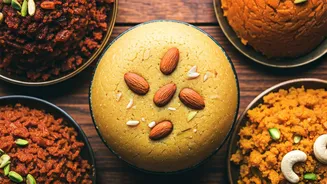
A truly opulent choice, Dry Fruit Halwa brings together a medley of chopped nuts, dates, and figs, all simmered together in ghee and sugar. This halwa is exceptionally rich in nutrients and offers an indulgent flavor profile, making it a perfect prasad offering. Its appeal lies in its delightful chewy texture and the natural sweetness derived from the fruits, setting it apart from more conventional halwa recipes.
Vibrant Carrot Delight
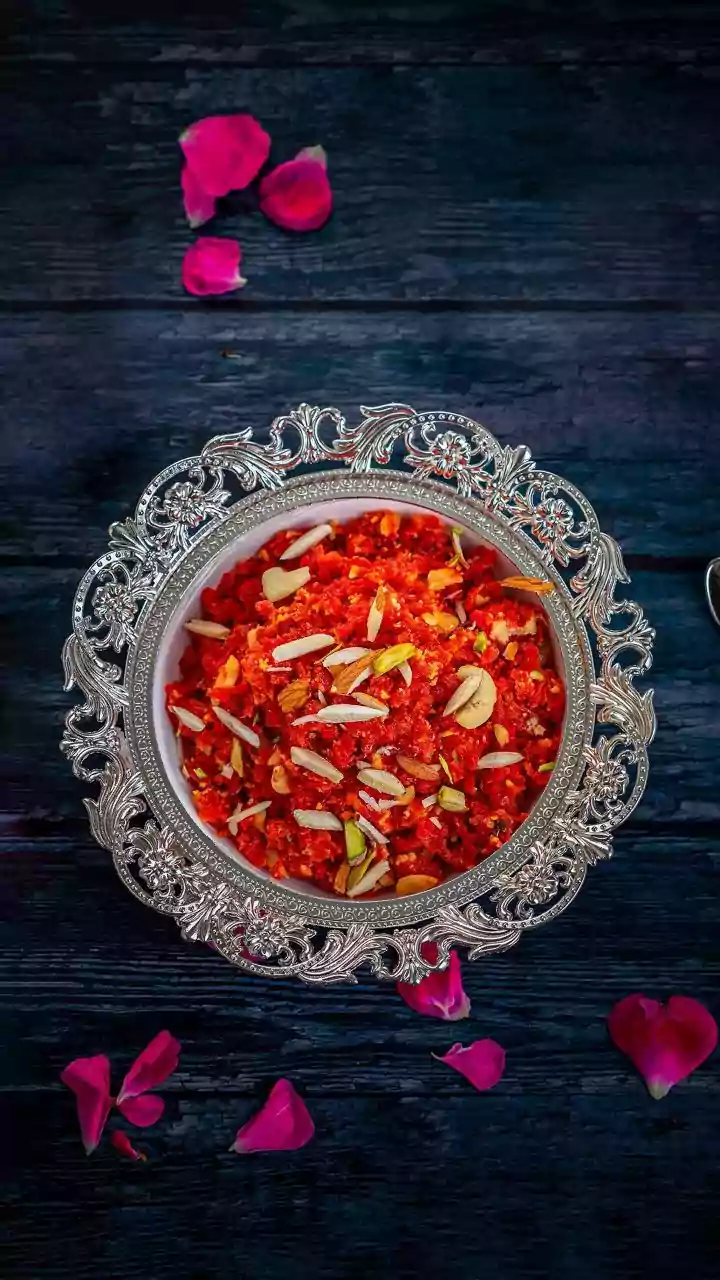
Though often associated more with the winter season, Carrot Halwa (Gajar ka Halwa) finds a place in Ashtami celebrations in some homes. This visually appealing dish is made from fresh grated carrots slowly cooked in milk, sugar, and ghee. The result is a wonderfully wholesome and vibrantly colored sweet treat that is both festive and satisfying, adding a burst of color and rich flavor to the celebration.
Hearty Chana Dal
Concluding our exploration is Chana Dal Halwa, a traditional recipe featuring split chickpeas as its base. This halwa is characterized by its dense, grainy texture and is often subtly flavored with cardamom. While requiring a bit more effort to prepare, the deep satisfaction and rich, comforting taste make it an ideal and deeply traditional choice for auspicious occasions like Ashtami.