





The Gut's Adaptation Trap
Our bodies, including the intricate gut microbiome, are remarkably adaptable. While this might seem beneficial, a constant diet of the same foods can lead
to a gradual erosion of microbial resilience. Clinical nutritionist Charu Dua highlights that this repetitive eating pattern can manifest in subtle yet noticeable digestive discomforts. You might experience slower digestion, more frequent bloating, or even irregular bowel movements. Certain foods that were once easily tolerated may suddenly become problematic. Even a diet perceived as 'healthy,' like grilled chicken with rice and boiled vegetables, can fall short if it lacks a wide array of fibers. While it might meet basic protein and calorie needs, it misses out on the diverse spectrum of fibers crucial for nourishing various gut microbes. Research published in Microbiology strongly suggests a correlation between increased plant diversity in the diet and enhanced gut activity, alongside improved metabolic health. This indicates that variety isn't just about taste; it's fundamental to a well-functioning digestive system.
Managed Variety: The Healthier Path
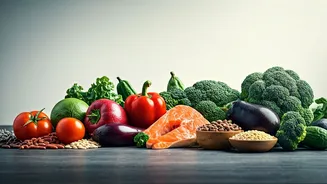
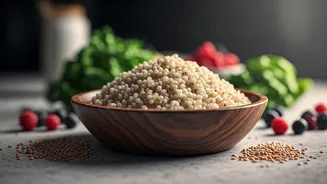
The solution to an imbalanced gut isn't about drastic dietary overhauls or extreme eating habits. Instead, nutritionist Charu Dua advocates for a strategy she calls 'managed diversity.' This approach involves making small, consistent alterations to your meals rather than adhering to an unchanging menu. Simple shifts like rotating your grains among options like rice, millets, quinoa, and whole wheat, or incorporating seasonal vegetables, can introduce new nutrients. Expanding your pulse intake beyond a couple of staples and including fermented foods such as curd or buttermilk also contribute significantly. Even small additions of herbs, seeds, and nuts can make a difference. These deliberate variations introduce novel fibers into the gut. When these diverse fibers are digested by gut bacteria, they produce beneficial compounds known as short-chain fatty acids (SCFAs). SCFAs play a vital role in reducing inflammation throughout the body and are essential for maintaining the integrity and health of the gut lining, fostering a more robust internal environment.
The Microbiome's Diverse Needs
Within the complex landscape of your digestive tract resides the gut microbiome, a bustling community of trillions of bacteria, fungi, and other microorganisms. This intricate ecosystem thrives on diversity, as each microbial species requires a specific type of fuel to flourish. Charu Dua aptly explains that the human gut microbiome is heavily dependent on dietary variety. When meals become too repetitive, the gut is deprived of a wide range of essential nutrients, including various types of fibers and unique natural compounds like polyphenols. This nutritional scarcity leads to an imbalance: certain beneficial bacteria may diminish, while others that thrive on limited resources might dominate. A significant public research effort revealed a striking finding: individuals who consumed over 30 different plant-based foods weekly possessed a substantially more diverse gut bacterial population compared to those who ate fewer than 10. In essence, a more diverse diet translates to a stronger, more adaptable, and resilient gut ecosystem, better equipped to handle daily challenges and support overall health.
Beyond Perfection: Balance is Key
A highly disciplined diet often carries an image of strictness and perfection, but the reality is that the most beneficial diet for your gut is typically the most varied one. Your gut microbiome doesn't reward absolute perfection; rather, it flourishes with balance. It responds positively to a colorful plate, the natural changes brought by seasonal produce, and a wide array of ingredients. While a predictable meal plan can offer advantages like easier calorie control, reduced decision fatigue, consistent progress in weight management, and assistance in identifying food intolerances, these benefits often relate to short-term manageability. For individuals with demanding schedules, a stable eating pattern can indeed simplify life. However, the critical issue isn't daily repetition but rather the prolonged monotony of meals over months and years. The ultimate goal for gut health lies not in rigid adherence but in embracing the dynamic interplay of nutrients that a varied diet provides.