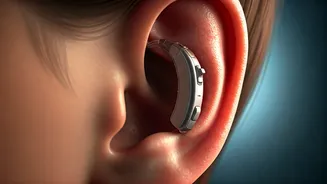








Understanding Hearing Loss
The spectrum of hearing ability varies significantly, and understanding the terminology is crucial. Being 'hard of hearing' generally encompasses a range
of mild to severe hearing impairments, where individuals can still perceive some sounds, albeit with difficulty. In contrast, 'deafness' signifies a profound loss of hearing, making it extremely challenging or impossible to detect sounds without amplification. The source article also mentions personal narratives, such as an individual embracing hearing aids at a young age, highlighting that hearing loss is not exclusive to older demographics. Additionally, it touches upon common discomforts like clogged ears due to pressure changes, earwax accumulation, or water intrusion, and explains the protective function of earwax, which can sometimes lead to bothersome blockages.
Navigating Hearing Products
Choosing the right hearing aid can feel overwhelming, but several factors can guide your decision. When purchasing hearing aids, it's essential to consider various features, functionalities, and price points. The cost of hearing aids can be substantial, but there are strategies and savings tips available to make them more accessible, and understanding these options can prevent unnecessary expenditure. It is also vital to differentiate between hearing amplifiers and actual hearing aids. Amplifiers are designed to boost all sounds, whereas hearing aids are sophisticated medical devices calibrated to address specific hearing loss patterns. When exploring types of hearing aids, options range from behind-the-ear models to completely-in-canal devices, each offering different benefits based on an individual's needs and lifestyle. The article also reviews top-rated hearing aids, categorizing them by function, position, and price, including both prescription and over-the-counter (OTC) models, which have recently become more available and affordable.
Advanced Listening Choices
Beyond traditional hearing aids, innovative solutions enhance the listening experience. For those seeking seamless connectivity, Bluetooth-enabled hearing aids offer the freedom to stream audio directly from various devices without cumbersome wires. These are particularly beneficial for individuals who want to enjoy music, podcasts, or phone calls with improved clarity. Furthermore, the selection of headphones designed to work harmoniously with hearing aids is extensive, ensuring a comfortable and clear auditory experience. These headphones are engineered to minimize feedback and optimize sound quality for users with hearing impairments. The evolution of personal audio devices, such as wireless earbuds like Apple AirPods, has even led to discussions about their potential use as less expensive alternatives to traditional hearing aids, highlighting the growing accessibility of sound enhancement technology.
Understanding Ear Anatomy and Health
A foundational understanding of ear anatomy is key to appreciating how hearing functions and what can go awry. The ear is a complex organ responsible for both hearing and maintaining balance. It comprises outer, middle, and inner sections, each with specialized roles. The middle ear, a membrane-lined cavity, plays a crucial role in transmitting sound vibrations. The cochlear nerve, also known as the acoustic nerve, is the vital sensory pathway that relays auditory information from the inner ear to the brain. Within this intricate system, the stapes, a small bone in the middle ear, vibrates to pass sound energy inward. Beyond anatomy, maintaining ear health involves addressing common issues. Remedies for earaches range from at-home solutions to medical interventions. Sensations of something being in the ear can stem from various causes, and understanding these can alleviate anxiety. Similarly, intermittent rumbling sounds are often a natural bodily response rather than a sign of serious trouble. Lastly, ear health also involves being aware of potential problems like painful boils within or around the ear canal, which require attention.
Protecting Your Hearing
In today's world, safeguarding our hearing from potential damage is more critical than ever. Excessive noise exposure, often from personal electronic devices or environmental sounds, poses a significant risk to auditory health. Studies indicate that a substantial portion of the population is exposed to noise levels that can lead to irreversible hearing loss. The duration of exposure is as important as the volume; prolonged listening at high decibels can inflict gradual damage over time. Awareness of these risks empowers individuals to take proactive measures. This includes limiting exposure to loud environments, using hearing protection when necessary, and taking breaks from noisy activities. The recent availability of over-the-counter hearing aids also signifies a shift towards greater public awareness and accessibility in managing hearing health, making it easier for individuals to seek solutions for their hearing needs.