


Dance Psychology Explained
Dance is far more than just a series of physical actions; it's a potent form of self-expression with the capacity to profoundly influence our minds. The
burgeoning field of dance psychology investigates how various movements impact our cognitive processes, emotional state, and overall mental health. Engaging in dance, whether for leisure or as a profession, confers a broad spectrum of psychological advantages. This exploration delves into the specific mechanisms by which dance affects the brain and considers whether distinct dance styles elicit different responses. Content creator Peter Lovatt and Dance Masterclass note that improvised dancing can alter our thought patterns and problem-solving approaches. The connection between our physical movements, hormonal balance, and genetic makeup is a key area of study, suggesting that how we move is intrinsically linked to our biological blueprint. Sonal Khangarot, a counsellor and psychotherapist, highlights recent research indicating dance's positive effects on brain function and its contribution to improved brain health.
Brain Activation Through Movement
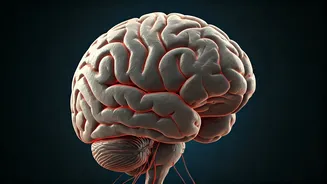
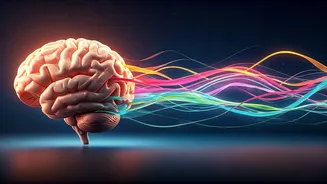
When you dance, multiple brain regions engage simultaneously, encompassing areas responsible for motor control, memory recall, and emotional regulation. The intricate and coordinated movements involved in dancing enhance physical attributes such as coordination, gait, balance, and spatial awareness. Over consistent practice, these benefits extend beyond immediate physical improvements to foster mental agility and improve memory retention. Scientific studies also suggest that engaging in regular dancing can significantly reduce the risk of developing dementia and actively promote neurogenesis, the formation of new neural connections in the brain. This continuous stimulation and creation of new pathways contribute to a more resilient and robust cognitive system, underscoring the brain-boosting power of dance.
Social Bonds and Emotions
The social dimension of dancing plays a pivotal role in its psychological impact. When individuals dance together, especially in group settings or synchronized routines, the brain releases oxytocin, often referred to as the 'bonding hormone'. This hormonal response fosters a sense of trust, belonging, and cooperation among participants. Dancing in formation can cultivate a collective sense of shared purpose, which in turn nurtures feelings of harmony and enables deeper interpersonal connections. This shared experience transcends mere physical activity, building a foundation of mutual understanding and emotional resonance that strengthens social ties and community bonds.
Enhancing Creativity and Problem-Solving
Dance transcends physical exertion to sharpen our cognitive faculties, particularly in areas of creative thinking and problem-solving. By providing a dynamic platform for movement, improvisation, and rhythmic exploration, dance stimulates the brain regions associated with innovative thought and complex problem-solving. The act of synchronizing movements with music and exploring varied choreographies also heightens spatial abilities. Furthermore, the inherent nature of dance, which often demands openness, spontaneity, and improvisational skills, directly translates into an improved capacity for tackling challenges and finding novel solutions in everyday life, making dancers more adept at navigating complex situations.
Hormonal and Genetic Influences
The profound psychological advantages derived from dancing are intrinsically linked to the body's intricate chemical responses. Dancing stimulates the release of key neurochemicals like dopamine, serotonin, and endorphins, which are instrumental in cultivating feelings of happiness, euphoria, and deep relaxation. These vital hormones also contribute to a sense of emotional equilibrium and grounding. Individual genetic predispositions can influence one's aptitude and enjoyment of dance, with some individuals naturally excelling and finding greater pleasure in movement. This interplay between hormonal activity and genetic makeup collectively enhances motor functions, refines emotional regulation, and contributes significantly to an individual's overall mental well-being.
Diverse Styles, Unique Effects
While all forms of dance offer significant benefits for mental health, distinct styles can influence the brain in unique ways. For instance, hip-hop and freestyle dancing encourage uninhibited emotional expression and fluid movement, fostering a sense of freedom. In contrast, classical dance forms often cultivate discipline, focus, and perseverance. Partner dances such as salsa and tango are particularly adept at strengthening the emotional bond between partners, enhancing social connection, and mitigating feelings of loneliness by promoting intimacy and shared experience. For individuals grappling with specific mental health concerns like anxiety, depression, or trauma, more expressive, creative, and freestyle dance forms are often recommended for their therapeutic potential.