
Digestion's Critical Phase
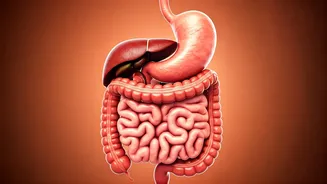
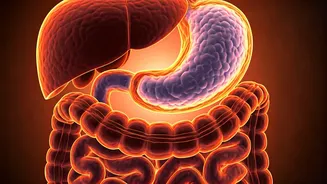
The process of digestion requires the body to function efficiently. When food enters the stomach, it signals the body to release enzymes, which begin to break
down the food for absorption. Staying upright after eating assists in this process as gravity helps to move the food downwards, allowing the digestive system to perform effectively. When a person sits down immediately after a meal, this process can be compromised. The stomach may compress, making the movement of food more difficult, which is known to cause a variety of uncomfortable symptoms, including bloating, indigestion, and acid reflux. Therefore, remaining upright after a meal is crucial for helping your digestive system.
Blood Sugar Concerns
Blood sugar levels fluctuate after meals, and managing these fluctuations is key to overall health. Sitting directly after eating can potentially lead to a rapid increase in blood sugar levels. When you stand or walk around after a meal, your muscles are activated, helping the body use the glucose from the food. This means your blood sugar levels do not spike as dramatically. In contrast, sitting down reduces muscle activity, and the glucose in the bloodstream is not effectively utilized, which causes blood sugar to rise quickly. Consistent high blood sugar can increase the risk of developing insulin resistance and type 2 diabetes. By opting to stay active after a meal, individuals can maintain more stable blood sugar levels.
Metabolic Slowdown Explained
Metabolism plays a huge role in the conversion of food into energy, and sitting down after eating can hinder this process. Immediately after a meal, the body speeds up its metabolism to process the ingested nutrients. Engaging in physical activity during this period can further stimulate the metabolism. However, sitting can slow down these metabolic processes. When the metabolism is less active, the body might become less effective at burning calories, and this may contribute to weight gain over time. Taking a short walk or performing light activities after eating can significantly aid the body's metabolic rate, supporting overall energy balance and well-being. Keeping active after meals helps your body's metabolic activities.
Best Practices for Health
Implementing simple habits can significantly impact digestive health. A key recommendation is to avoid sitting down right after eating. It is recommended to take a short, gentle walk. Even a few minutes of light activity, such as walking around the house or doing some light chores, can be very beneficial. This will help stimulate the digestive system and improve blood sugar control. Another important factor is mindful eating. Paying attention to what and how one eats can prevent overeating and promote better digestion. Eating slowly, chewing food thoroughly, and being present during meal times can facilitate better nutrient absorption and overall health. Making these simple changes can greatly enhance digestive well-being and health.