





Mastering LA's Public Transit
Los Angeles offers a public transportation network designed to connect its many attractions, though it requires some planning. The Metro Rail system, comprising
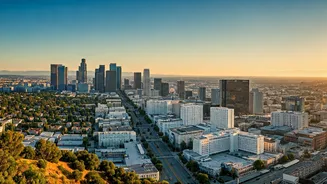
subway and light rail lines, is a cost-effective way to reach key areas such as Downtown LA, Hollywood, and Santa Monica, bypassing frustrating traffic. Complementing the rail is the extensive Metro Bus network, which provides coverage to nearly every part of the city and its surroundings, serving as a viable option for destinations not directly accessible by train. To utilize both services, a TAP card is essential for fare payment; these rechargeable cards can be purchased and topped up at most Metro stations and various retail locations. While not as comprehensive as in some other major cities, the Metro system is a valuable tool for exploring many of LA's popular spots, particularly Downtown and Hollywood, and can get you to places like Universal Studios, Exposition Park, and even as far as Santa Monica. The B Line (formerly Red Line) is particularly useful for connecting Downtown, Hollywood, and Universal City, while the E Line offers a route from the city's east side through Downtown and Exposition Park to Santa Monica. Importantly, TAP cards facilitate free transfers within two hours of your initial ride, making multi-leg journeys more economical. For those concerned about safety, especially at night, ride-sharing services are often preferred as an alternative to late-night train travel.
Ride-Sharing and Taxis
For convenient, door-to-door travel throughout Los Angeles, ride-sharing services like Uber and Lyft are exceptionally popular and widely available. These services are a great choice for individuals or groups looking for a hassle-free way to reach destinations not easily served by public transport, or for getting to and from the airport. While LAX has a dedicated pick-up/drop-off area called LAX-It, linked to Terminal 1 by a shuttle, ride-sharing can be a simpler option. Fares are generally more affordable than traditional taxis, though surge pricing during peak demand can increase costs. Consider using ride-sharing for day trips to major museum areas like Museum Row or Exposition Park, where the combined cost of a rental car and parking might exceed ride-share expenses for the day. However, be aware that ride-share prices have seen an increase, and extensive use across the entire city can accumulate significant costs. A novel option includes driverless cars, which operate in specific zones and can be booked via an app, offering a unique and potentially safer experience, especially for solo travelers at night. A significant advantage of ride-sharing is the elimination of parking worries. Even locals often opt for ride-shares to avoid the stress of finding parking and navigating complex parking regulations in busy areas like West Hollywood. It's advisable to compare fares across different ride-sharing platforms before booking, as quotes can vary dramatically for the same journey. Traditional taxis are also available but are typically more expensive than ride-sharing alternatives, and can be hailed on the street or found at designated stands.
Driving and Car Rentals
For unparalleled flexibility in exploring the vast expanse of Los Angeles, renting a car or using your own vehicle is often considered the most convenient method. This approach allows you to visit more remote areas and travel at your own pace, which is particularly beneficial given the city's sprawling nature and the limited reach of public transportation in certain neighborhoods like Malibu or Beverly Hills. Many tourist attractions provide their own parking facilities or are located near public parking garages, though daily parking fees can be substantial, sometimes exceeding $30 in popular districts. Street parking is an option, but be prepared for Los Angeles' notoriously strict and often confusing parking regulations, which can include high meter rates and limited availability. Renting a car is straightforward, with all major companies represented at LAX and various city locations. However, driving in LA comes with its own set of challenges. The city is infamous for its heavy traffic congestion, especially during weekday morning (8-10 am) and afternoon (4-7 pm) rush hours. Navigation apps are indispensable for planning routes and avoiding gridlock. The aggressive local driving style and the need to navigate busy freeways can be daunting for some. Speed limits on non-freeway roads are typically 25 mph and are strictly enforced, and using a mobile phone while driving is prohibited. For those who choose to drive, planning itineraries to avoid peak traffic times is crucial to minimize stress and maximize exploration time.
Exploring on Foot and Bike
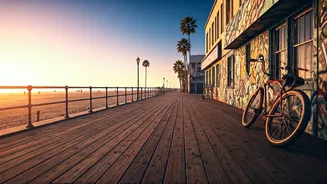
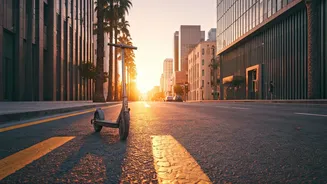
While Los Angeles is not predominantly a walkable city, certain neighborhoods offer excellent pedestrian experiences. Downtown LA stands out as one of the most walkable areas, featuring a concentration of cultural sites, dining, and shopping within a manageable radius, though caution is advised at night due to potential safety concerns. Venice Beach also provides a pleasant walking environment, particularly along Abbot Kinney Boulevard, known for its boutiques and eateries, and extending to Rose Avenue and the iconic boardwalk. Similarly, Culver Boulevard in Culver City and Sunset Boulevard in Silver Lake are pedestrian-friendly, boasting a good selection of shops and restaurants within walking distance. These areas allow for a relaxed exploration without the need for a car. For those utilizing public transport, areas like Museum Row on Wilshire Boulevard and Exposition Park offer clusters of museums within walking distance of each other and accessible via public transit. Cycling offers another engaging way to explore, especially in neighborhoods like Santa Monica, Venice Beach, and Downtown. The city's bike-share program, Metro Bike, provides over 1,500 bikes at numerous stations, facilitating easy rentals via a smartphone app or TAP card. Rides are affordable, with the first 30 minutes costing $1.75 and 24-hour access available for $5, with longer-term passes also offered. E-scooters are also a fun and sustainable option for exploring specific areas, available through various rental companies via apps. Riders must adhere to local rules, including a 15 mph speed limit and a prohibition on sidewalk riding, and must be 18 years or older with a valid license.