







Obesity's Deeper Impact
Obesity is a widespread chronic condition that extends far beyond visible weight gain, impacting the body's fundamental energy processing, hormonal regulation,
and essential bodily functions. Viewing it solely as a matter of shedding pounds overlooks the critical issue of metabolic dysfunction. This pervasive problem disrupts the intricate systems that manage how our bodies convert food into energy, regulate blood sugar, maintain cholesterol levels, control inflammation, and ensure hormonal balance. When these systems become overburdened due to excess fat, particularly visceral fat stored around organs, they begin to falter. This disruption lays the groundwork for a cascade of interconnected health problems, including elevated blood pressure, the development of fatty liver disease, and significant hormonal imbalances. Crucially, these detrimental metabolic changes can manifest long before significant weight gain becomes apparent, underscoring the urgent need for early medical assessment and intervention. Focusing solely on weight loss can leave these underlying metabolic issues unaddressed, perpetuating a cycle of health complications and unsuccessful attempts at weight management.
The Hidden Dangers Unveiled
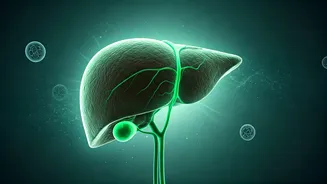
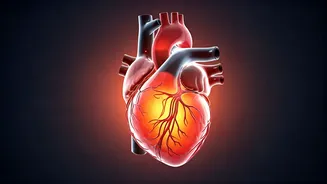
When metabolic health deteriorates due to obesity, a range of serious and often irreversible health conditions can emerge. A primary concern is Type 2 Diabetes, stemming from insulin resistance where the body's cells struggle to absorb glucose, leading to persistently high blood sugar levels. The cardiovascular system is also heavily impacted; chronic inflammation, coupled with elevated blood pressure and abnormal cholesterol profiles, significantly elevates the risk of heart attacks and strokes. Liver health is another critical area affected, with the accumulation of fat leading to Metabolic Dysfunction-Associated Steatotic Liver Disease (MASLD), formerly known as Non-Alcoholic Fatty Liver Disease (NAFLD). This condition can progress from simple fat accumulation to inflammation, scarring (fibrosis), and potentially life-threatening cirrhosis. Furthermore, metabolic dysfunction is intricately linked to Polycystic Ovary Syndrome (PCOS) in women, contributing to hormonal irregularities, irregular menstrual cycles, and infertility. Respiratory issues, including sleep apnea, can also arise as excess fat obstructs airways, disrupting breathing during sleep. Overlooking these metabolic consequences in favor of a singular focus on weight can leave crucial issues like insulin resistance, chronic inflammation, reduced muscle mass, poor gut health, and nutrient deficiencies untreated, often leading to ineffective and unsustainable weight loss efforts.
Comprehensive Treatment Strategies
Addressing obesity effectively requires a multifaceted and individualized strategy that targets both weight reduction and the restoration of underlying metabolic pathways. Lifestyle modifications, encompassing diet, regular physical activity, and behavioral changes, form the bedrock of any successful obesity treatment plan. These changes are pivotal for enhancing insulin sensitivity, fostering sustainable weight loss, reducing inflammation, stabilizing blood glucose levels, and improving gut health. They are essential not only as a starting point but also as ongoing support for individuals undergoing interventions like Endoscopic Sleeve Gastroplasty (ESG), intragastric balloon placement, or bariatric surgery. For individuals who haven't achieved sufficient results with lifestyle changes alone, medications offer a valuable adjunct. Newer agents, particularly those targeting GLP-1 and GLP-1/GIP receptors, play a role in regulating appetite, reducing cravings, promoting satiety by delaying gastric emptying, and improving insulin sensitivity. These medications are best suited for individuals with a Body Mass Index (BMI) of 27 kg/m² or higher with associated comorbidities, or those who prefer non-surgical options and are committed to long-term use alongside lifestyle adjustments. It's important to note that the benefits of these medications are often maintained as long as they are used, with weight regain being a common concern upon discontinuation.
Advanced Interventional Options
Beyond lifestyle changes and medication, several advanced interventional procedures offer effective solutions for managing obesity and improving metabolic health. Endoscopic Sleeve Gastroplasty (ESG) is a minimally invasive technique that reduces the stomach's capacity by approximately 60–70%, creating a sleeve-like structure without external incisions. This procedure aids in promoting satiety, supporting steady weight loss, and significantly improving metabolic markers like insulin resistance and fatty liver disease, boasting a low risk profile and rapid recovery. For those seeking a temporary, non-surgical approach, the intragastric balloon is an option. This reversible device is endoscopically placed in the stomach to limit food intake and promote early fullness, supporting controlled weight loss over 6–12 months while also benefiting blood sugar and cholesterol levels. It is particularly suitable for individuals with a BMI between 30–35 kg/m² or those with comorbidities in a slightly lower BMI range who require appetite control or are hesitant about surgical interventions. For individuals with severe obesity (BMI ≥ 40 kg/m² or ≥ 35 kg/m² with comorbidities) or those who have not found success with other methods, bariatric surgery remains a highly effective option. It achieves significant and sustained weight loss through a combination of restrictive and hormonal mechanisms, leading to substantial improvements in insulin sensitivity, hunger regulation, and overall quality of life, provided there is a strong commitment to long-term lifestyle changes.