







The Deceptive Similarity
Many individuals have dismissed critical cardiac events as mere indigestion, a delay that can have dire consequences. Dr. Jivitesh Satija, an interventional
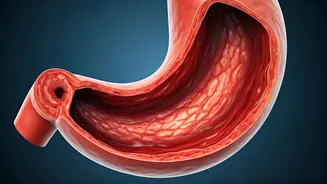
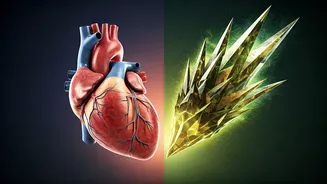
cardiologist, points out that heart attacks often manifest subtly, mimicking common digestive issues like acidity or gas. This confusion can lead to delayed treatment, costing precious time. While chest discomfort is a shared symptom, the body often provides distinct clues. Acidity commonly appears after meals, particularly spicy or oily ones, and may worsen when lying down or at night, often subsiding with burping or antacids. In contrast, a heart attack is less predictable, potentially occurring at rest, especially in the early morning, and is unlikely to improve with antacids. It can also intensify with physical activity and persist for longer durations, typically over 15–20 minutes, underscoring the critical importance of timing.
Red Flags to Heed
The duration and spread of chest discomfort are paramount indicators, as stressed by Dr. Satija. If chest discomfort endures for more than 20 minutes, radiates to the jaw, arm, or back, or is accompanied by other alarming symptoms like shortness of breath, profuse sweating, dizziness, or an overwhelming sense of impending doom, it's a medical emergency. This vague feeling that 'something is not right' is often the body's early warning system, a signal from the nervous system that precedes conscious recognition of danger. Ignoring these signals or attributing them to anxiety can be a fatal mistake, delaying essential medical intervention.
Risk Factors Explained
While certain demographics are at higher risk for heart attacks—including individuals over 40, those with diabetes, smokers, people with high blood pressure or cholesterol, and those with a family history of heart disease—it's crucial to understand that these factors do not grant immunity to others. A significant portion, up to a quarter, of heart attacks occur in individuals under 40. The misconception that heart issues only affect older or predisposed individuals can lead to complacency. Waiting for definitive symptoms or fitting a high-risk profile before seeking help is a gamble no one should take when their heart health is at stake.
Atypical Symptoms' Danger
The presentation of heart attacks isn't always the classic chest pain scenario. Women, the elderly, and individuals with diabetes are particularly prone to experiencing 'atypical' symptoms. These can manifest as extreme fatigue, nausea or vomiting without accompanying chest pain, breathlessness, burning sensations in the upper abdomen, dizziness, or a general, unexplainable feeling of unease. These symptoms can be deceptively similar to those of acidity or stress. The underestimation and late diagnosis of heart attacks in these groups are often due to the misinterpretation of these non-traditional signs.
Urgency Saves Lives
The critical role of prompt action cannot be overstated. A substantial number of heart attack fatalities occur before patients reach a hospital, highlighting the time-sensitive nature of cardiac events. Every 30-minute delay in commencing treatment escalates the risk of death and permanent heart muscle damage. Swift intervention significantly improves survival rates, preserves heart function, and maximizes the efficacy of life-saving procedures such as angioplasty. Procrastinating or waiting for symptoms to resolve on their own is a dangerous choice when dealing with a potential heart attack.
When Unsure, Act
In any instance of chest discomfort, the safest approach is to assume it could be cardiac-related until medical professionals confirm otherwise. It is imperative to cease all activity immediately and sit upright. Do not attempt to drive yourself to the hospital, especially if you are alone; call emergency services without delay. While emergency aspirin or prescribed nitrates might be recommended by a doctor for specific situations, they are not substitutes for immediate medical evaluation. The guiding principle is simple and vital: it is far better to seek help at the emergency room and be found to have acidity than to delay and face irreversible consequences from a heart attack. Hesitation is the most critical mistake one can make when heart health is concerned.