






Early Cinematic Glamour
Early Bollywood cinema established a unique visual identity, setting the stage for decades of stylistic exploration. The 1950s and 60s saw a distinct approach
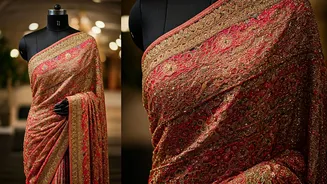
to fashion. Films incorporated a mix of traditional and Western elements. Actors and actresses were not just performers; they were trendsetters, their sartorial choices heavily influencing audiences. Costume designers played a crucial role, creating memorable looks that defined an era. Sarees, salwar kameez, and elaborate jewelry were frequently featured, blending elegance and cultural heritage. Black and white films showcased intricate designs, and later, the introduction of color brought a vibrant dimension to fashion on screen, shaping the tastes of a generation.
The Rise of Designers
As Bollywood evolved, so did the role of designers. In the 1990s, the industry saw an infusion of professional designers who brought fresh perspectives and expertise. Designers like Manish Malhotra became synonymous with glamour, transforming the way Indian fashion was presented. They began to integrate contemporary designs with traditional elements. This era emphasized individual expression, with actors experimenting with varied styles. Fashion weeks and celebrity endorsements gained prominence, catapulting designers into the limelight and influencing wider consumer trends. This shift marked a move towards a more sophisticated and stylized aesthetic, solidifying fashion's central role in the industry's success and image.
Contemporary Bollywood Styles
Contemporary Bollywood fashion mirrors the diversity and modernization of India. Today's styles are characterized by a blend of global influences and regional heritage. Modern films often portray a realistic approach to fashion. Street style, fusion wear, and athleisure are commonly seen, reflecting the casual and cosmopolitan lifestyles of the characters. Red-carpet events and award shows continue to be significant showcases, with actors making bold fashion statements. The rise of social media has amplified the impact of these events, allowing trends to spread rapidly. This digital influence has given rise to new fashion influencers and created avenues for the industry to reach a wider, more global audience, influencing trends.
Cultural Influences on Fashion
Bollywood's style is inextricably linked to Indian culture. The industry showcases various regional fashion traditions and social norms, reflecting the country's rich heritage. Festive occasions and religious ceremonies frequently inspire film wardrobes, keeping traditional attire relevant. Bollywood's fashion choices often celebrate cultural identity, influencing attitudes towards Indian textiles and craftsmanship. Cinema promotes the revival of age-old arts such as handloom weaving and block printing. Bollywood also demonstrates the impact of globalization, as it adopts and reinterprets Western fashions. This ongoing interaction creates a unique blend of cultures, which helps portray Indian society's constant evolution and its relationship with the world.
Actors: Style Icons
Actors and actresses are central to Bollywood's fashion evolution. Through their performances, public appearances, and social media presence, they become trendsetters. Icons, such as Zeenat Aman, and later, stars such as Deepika Padukone and Ranveer Singh, influence fashion through their clothing choices. Designers frequently collaborate with actors to develop looks that enhance a film's narrative and promote individual personalities. Actresses often set trends with their sari choices, while actors impact what is stylish in menswear. Fashion is a form of self-expression, and actors use their image to communicate with audiences. This influence extends beyond the screen, dictating fashion trends and consumer preferences.
Future Fashion Trajectory
Looking ahead, Bollywood fashion will likely continue its evolution. The integration of sustainability and ethical practices will become a critical factor. There is a growing focus on conscious fashion, with actors promoting eco-friendly brands and designs. The industry is also expected to become more inclusive, embracing diversity in body types, skin tones, and style. Technology will further influence how fashion is seen and used. Virtual fashion and digital styling are anticipated to become common. These developments will transform Bollywood’s influence, promoting Indian culture and evolving the fashion landscape, showcasing innovation, cultural awareness, and a global view of style.