





Building Trust and Security
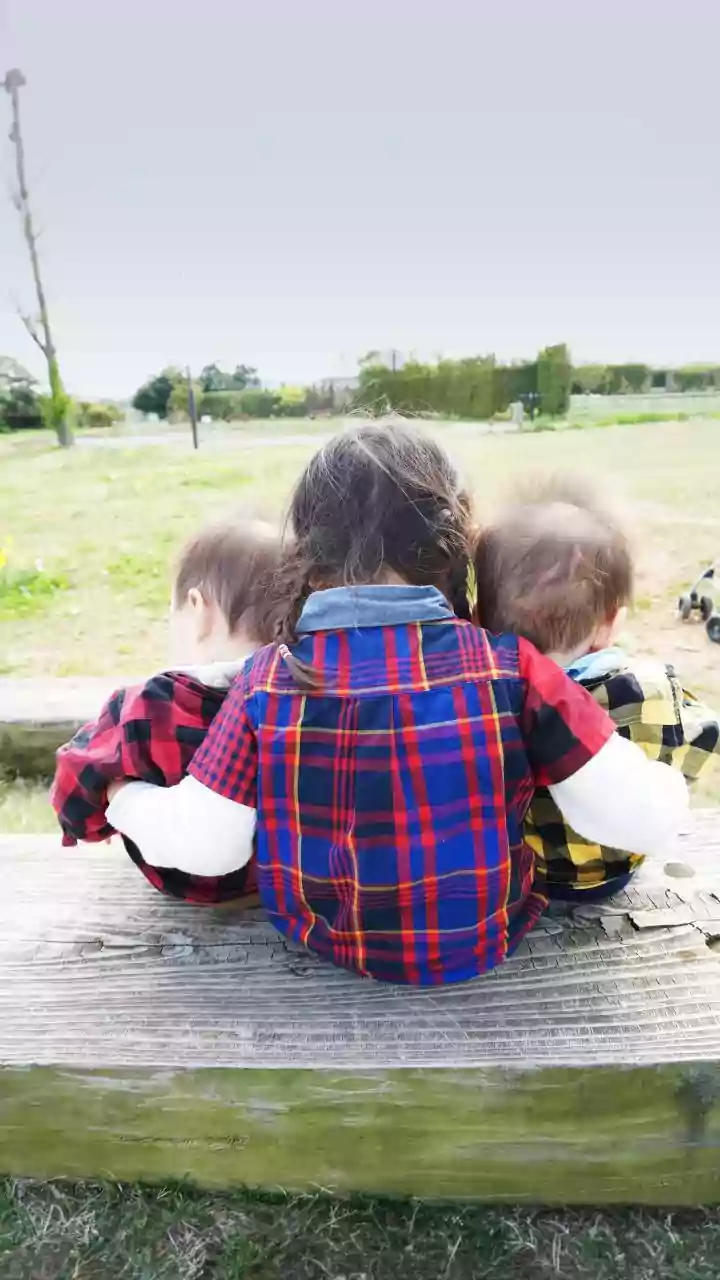
Toddler hugs are fundamental to establishing a bedrock of trust and emotional security between children and their caregivers. When a child initiates a hug and receives
a warm, affectionate response, they learn that their actions are met with positive reinforcement. This consistent cycle of affection teaches them that they can rely on their parents or guardians for support and comfort, creating a safe harbor. This sense of dependability is crucial, empowering toddlers to venture out and explore their surroundings with confidence, knowing they have a secure base to return to. The feeling of being loved, cherished, and consistently cared for is communicated through these gestures, reassuring them of their place and value within the family unit.
A Language of Love
For toddlers, whose verbal communication skills are still developing, physical affection serves as a primary and powerful means of expressing their inner world. Before they can articulate complex feelings, a hug or a snuggle becomes their direct channel to convey love, happiness, and a sense of connection. When a toddler actively seeks out a hug or nestles close for comfort, it's a clear demonstration of the emotional attachment they feel. These non-verbal expressions are vital components in the burgeoning emotional landscape of a child, reinforcing the intimate bond between them and their parents. This early practice in expressing love physically lays the groundwork for healthier emotional connections as they grow.
Strengthening Family Bonds
The simple act of hugging and cuddling plays an instrumental role in forging and reinforcing the parent-child relationship, creating cherished memories steeped in warmth and emotional engagement. These moments, whether occurring during playful interactions, bedtime routines, or after a challenging day, cultivate a profound sense of belonging within the family. Over the years, these repeated acts of affection weave a robust tapestry of connection and trust, significantly influencing a child's ongoing emotional and psychological development. The enduring strength of these bonds established in early childhood continues to shape an individual's emotional well-being throughout their life.
Developing Empathy and Connection
Engaging in physical affection with adults helps toddlers grasp the concept of emotional reciprocity and connection with others. By experiencing the comfort and care conveyed through gentle embraces and tender gestures, they begin to understand how affection can soothe and reassure. As they mature, this understanding translates into their own behaviors, potentially leading them to offer hugs to friends or family members who appear distressed. These early demonstrations of empathy highlight a developing awareness of the emotional states of those around them, fostering positive social interactions and laying the foundation for strong interpersonal relationships in the future.
Seeking Solace and Reassurance
Toddlers frequently turn to hugs and cuddles as a coping mechanism when they experience discomfort, fatigue, or frustration. In these moments, the physical closeness offered by a trusted caregiver provides a sense of safety and peace, helping them to regulate their emotions more effectively. Being held by someone they trust offers immediate solace, allowing them to calm down and regain their equilibrium. This reliance on physical comfort teaches them that support is available during challenging times, reinforcing their ability to navigate difficult feelings and build emotional resilience.