




Millets: A Revival
Millets, ancient grains that have been staples in many cultures for centuries, are making a comeback. They were once a dietary cornerstone, especially
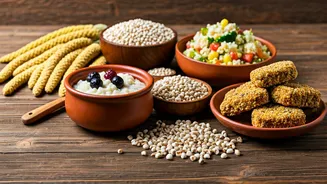
in India, before being overshadowed by refined grains. With rising health consciousness, there's a renewed appreciation for their nutritional value and environmental sustainability. Millets are a group of small-seeded grasses, including varieties such as sorghum, pearl millet (bajra), finger millet (ragi), and foxtail millet (kangni). These grains are naturally gluten-free, rich in fiber, and packed with essential minerals like iron, magnesium, and phosphorus. They also offer a low glycemic index, making them a suitable option for those managing diabetes. The versatility of millets in the kitchen further adds to their appeal; they can be used in porridge, flatbreads, and even desserts, offering endless culinary possibilities.
Embrace the Varieties
Each millet variety has a unique flavor and texture profile, offering a diverse culinary experience. Pearl millet (bajra) is commonly used in rotis and porridge, lending a slightly nutty taste. Finger millet (ragi) is known for its earthy flavor and is often incorporated into dosas and idlis. Foxtail millet (kangni) has a delicate, slightly sweet taste, ideal for upma and pulao. Sorghum (jowar) can be ground into flour for making flatbreads or used whole in salads and stews. Little millet (kutki) is often a part of traditional fasting meals. Proso millet has a mild flavor and is excellent in porridge or as a side dish. Kodo millet has a robust flavor and can be used in place of rice. Brown top millet is rich in fiber and easily incorporated into various dishes. Barnyard millet has a neutral taste, which makes it perfect for those new to using millets in the kitchen.
Breakfast Boosters
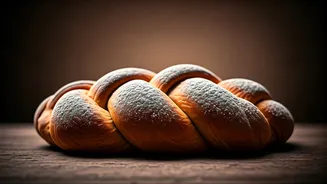
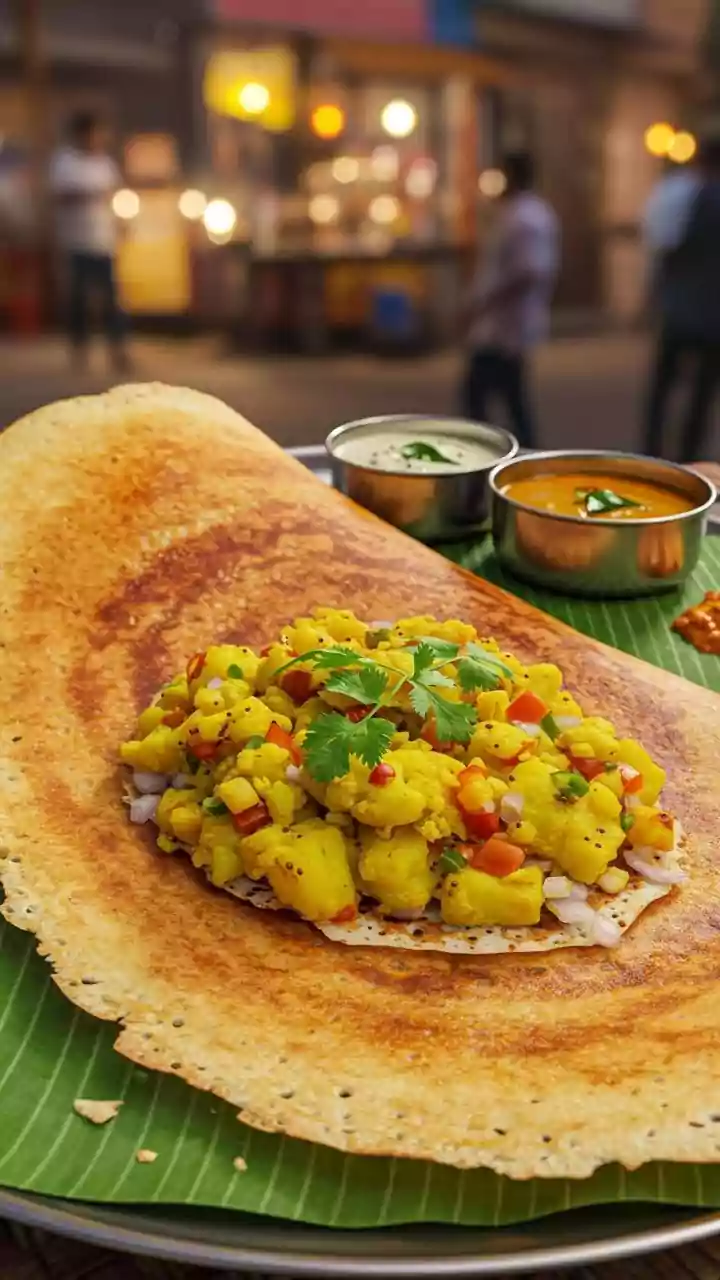
Start your day with millet-based breakfasts that provide sustained energy and essential nutrients. Try a warm porridge made with ragi or bajra, sweetened with jaggery and spiced with cardamom. Prepare a savory upma using foxtail millet, seasoned with mustard seeds, curry leaves, and vegetables for a nutritious start. Make a batch of millet pancakes, substituting all-purpose flour with a millet blend, and top with fresh fruit and a drizzle of honey. Experiment with making dosas or idlis from a batter using ragi and rice, served with sambar and chutney. These options provide a hearty and balanced meal, keeping you full and energized until lunchtime.
Lunchtime Delights
Transform your lunch with flavorful millet-based dishes. Prepare a millet pulao with your choice of vegetables, herbs, and spices, similar to a rice pilaf. Make a comforting khichdi using a mix of millets and lentils, flavored with aromatic spices. Create a millet salad, combining cooked millet with fresh vegetables, chickpeas, and a tangy dressing. Consider millet-based wraps or rolls, using millet flour tortillas and filling them with your favorite proteins and vegetables. These dishes offer a diverse range of flavors and textures. Millet's high fiber content will keep you feeling full and satisfied throughout the afternoon.
Dinner Innovation
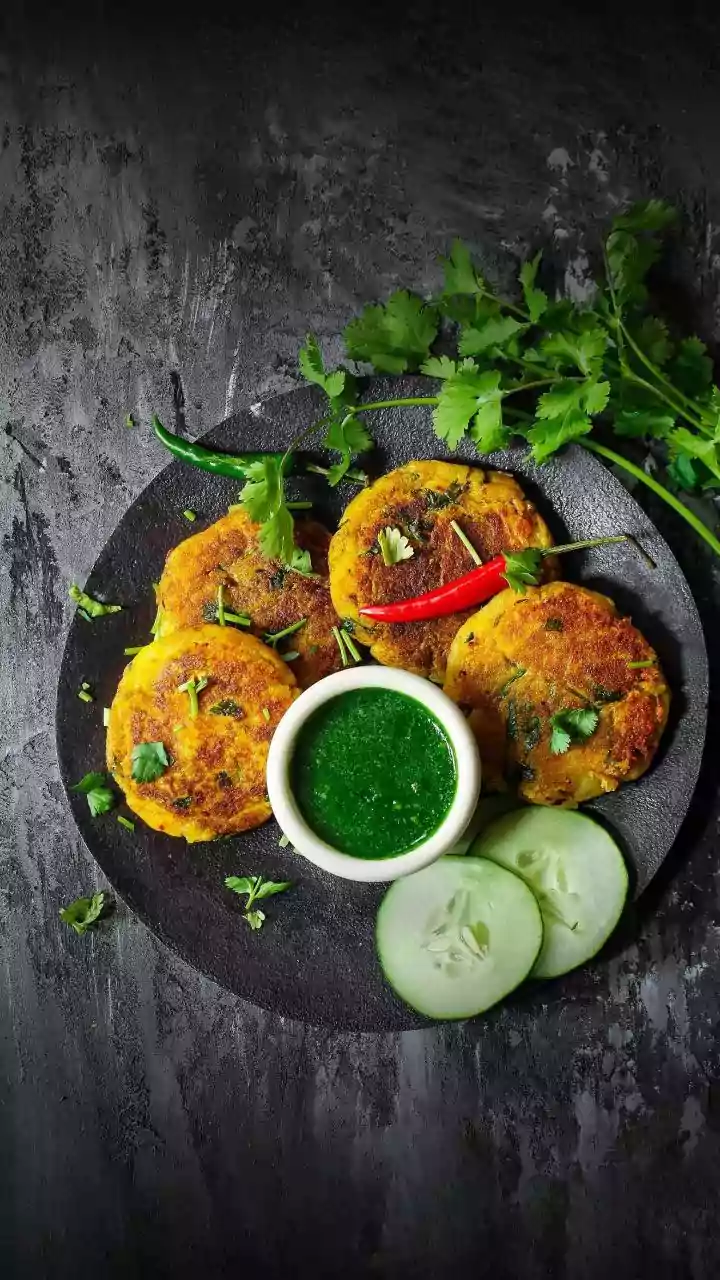
Incorporate millets into your dinner routine with creative recipes. Prepare a hearty millet risotto, using pearl millet instead of Arborio rice, cooked with vegetables, broth, and a touch of Parmesan cheese. Make millet-based vegetable curries and pair them with millet roti or flatbreads. Try millet patties or cutlets, seasoned with spices and served with a side of chutney. Develop a savory millet bowl with roasted vegetables, a protein source (such as grilled chicken or tofu), and a flavorful sauce. Incorporating millets in dinner is a simple method to add more nutrition to your evening meal.
Snack Time Solutions
Enjoy millet-based snacks for a healthy dose of energy. Bake millet cookies, using millet flour and incorporating your favorite flavors, like nuts, seeds, and spices. Make millet-based granola, combining rolled millet with nuts, seeds, and honey for a crunchy and nutritious snack. Create millet-based energy bites, combining cooked millet with dates, nuts, and cocoa powder. Prepare millet puffs or popped millet as a lighter alternative to popcorn. These options offer a quick and healthy alternative to packaged snacks, providing a good source of fiber and essential nutrients.
Beyond Cooking: Storage
Proper storage is essential to maintain the quality and shelf life of millets. Store whole millets in an airtight container in a cool, dark, and dry place. They can last for several months under these conditions. For millet flour, store it in an airtight container in the refrigerator to prevent it from becoming rancid, as it contains natural oils. Cooked millets can be stored in the refrigerator for up to 3–4 days. Freezing cooked millet is an excellent way to extend its shelf life further; portion it into freezer-safe containers or bags, and it can be stored for up to 2–3 months. With proper storage, you can ensure that your millets remain fresh and retain their nutritional value, ready for use whenever you need them.
Nutrition and Health
Millets offer a wide range of health benefits, making them a valuable addition to any diet. They are a great source of dietary fiber, promoting healthy digestion and helping to regulate blood sugar levels. The low glycemic index of millets is beneficial for those with diabetes, as it prevents sudden spikes in blood sugar. Millets are also rich in essential nutrients like iron, which supports red blood cell production, and magnesium, vital for bone health and nerve function. They are gluten-free, making them suitable for individuals with celiac disease or gluten sensitivity. Regular consumption of millets can also support weight management, improve heart health, and contribute to overall well-being.
Environmental Benefits
Beyond their nutritional value, millets have significant environmental benefits. They are drought-resistant crops, requiring less water compared to crops like rice and wheat, making them sustainable in regions with water scarcity. Millets have a short growing season, allowing them to be harvested quickly and efficiently. Their cultivation improves soil health by enhancing the microbial activity and reducing soil erosion. Millets can thrive in various climates and soil conditions, reducing the need for extensive irrigation or fertilizers. By choosing millets, you support sustainable agriculture practices that contribute to environmental conservation.
Cooking with Millet
Cooking with millets requires a few basic guidelines to achieve the best results. Rinse millets thoroughly before cooking to remove any dust or impurities. The cooking time varies depending on the type of millet. Generally, millets require a 2:1 or 3:1 ratio of water to millet. Simmer the millet in water or broth until it is cooked through and the liquid is absorbed. Experiment with different cooking methods like boiling, steaming, and pressure cooking to find what works best for each millet variety. Season the millet with herbs, spices, and other flavorings to enhance its taste. Once cooked, let the millet stand for a few minutes to fluff up and achieve the desired texture, preparing it for a culinary masterpiece.