





Understanding Lactose Intolerance
Lactose intolerance stems from the body's inability to fully digest lactose, a sugar found in dairy products. This occurs because of a deficiency in lactase,
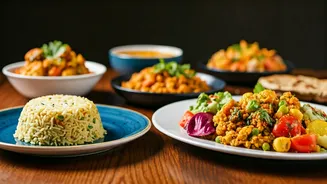
an enzyme produced in the small intestine, which breaks down lactose. When undigested lactose moves into the colon, it's fermented by bacteria, leading to symptoms like bloating, gas, and diarrhea. The severity of symptoms can vary greatly from person to person. Those with this condition must carefully navigate their food choices to minimize discomfort. In Indian cuisine, dairy is commonly used in various forms such as milk, yogurt, ghee, and paneer. Therefore, adapting traditional recipes to be lactose-free becomes essential for anyone with this intolerance who loves Indian food.
Spice-Infused Vegetable Curry
This vibrant vegetable curry is packed with flavors and naturally dairy-free. Begin by sautéing onions, garlic, and ginger in a generous amount of oil until softened. Add a medley of your favorite vegetables such as potatoes, carrots, peas, and cauliflower. Spice it up with turmeric, coriander, cumin, and a touch of red chili powder. Add diced tomatoes and a bit of water or vegetable broth to cook the vegetables until tender. Garnish with fresh coriander leaves before serving. This recipe provides a hearty and satisfying meal without any dairy, relying on the natural flavors of the vegetables and aromatic spices. The choice of oil is crucial; coconut oil adds a distinct flavor, while others such as sunflower oil or rice bran oil will offer more neutral flavor profiles.
Creamy Coconut Milk Dal
Transform your everyday dal into a creamy delight using coconut milk. Start by cooking your favorite lentils, such as masoor or moong dal, with water and turmeric powder until tender. In a separate pan, sauté onions, garlic, and ginger. Add mustard seeds, cumin seeds, and curry leaves for that quintessential Indian tadka. Pour in coconut milk and simmer for a few minutes. Combine the dal and tadka, and season with salt. This recipe substitutes the usual dairy-based creaminess with the rich texture of coconut milk. Garnish with coriander leaves and a squeeze of lemon juice for an extra burst of freshness. Using full-fat coconut milk contributes to the richness of the dish, creating a luxurious and dairy-free experience.
Aloo Gobi Without Ghee
Aloo Gobi, the classic potato and cauliflower dish, is easily made lactose-free. The traditional recipe often includes ghee, which can be replaced with cooking oil. Start by sautéing onions, ginger, and garlic, then add cauliflower florets and diced potatoes. Season with turmeric, coriander, cumin, and garam masala. Add a splash of water and cook covered until the vegetables are tender. This dish celebrates the earthy flavors of the vegetables. The substitution removes dairy from the equation without sacrificing any flavor. For added richness, consider adding a tablespoon of cashew paste towards the end of cooking, ensuring it does not have any dairy derivatives. Serve hot with roti or rice for a comforting meal.
Spiced Chickpea Curry (Chana Masala)
Chana Masala, a beloved Indian chickpea curry, is naturally dairy-free. Begin by sautéing onions, tomatoes, ginger, and garlic in oil. Add the chickpeas, along with your chosen spices like cumin, coriander, turmeric, and garam masala. A splash of water or vegetable broth helps the flavors meld together. Simmer until the chickpeas have absorbed the spices and the gravy has thickened. Garnish with fresh coriander and a squeeze of lime juice. This dish is usually dairy-free unless a dollop of yogurt is added as a garnish. Ensure that all the spices are fresh and of good quality to make the best Chana Masala. This dish offers a hearty, protein-rich, and incredibly flavorful experience, perfect as a standalone dish or with rice.
Lentil Soup (Dal Tadka)
Dal Tadka is a staple in many Indian households and can be made completely lactose-free. Cook the lentils, typically toor dal, in water with turmeric and a pinch of salt until they are soft. In a separate pan, prepare the tadka by heating oil and adding mustard seeds, cumin seeds, garlic, and red chilies. Once the seeds start to splutter, add this tadka to the cooked dal. This imparts a smoky and flavorful touch. Garnish with fresh coriander. Ensure the oil you use is suitable for your dietary requirements. Dal Tadka is a simple yet satisfying meal, combining the nourishing qualities of lentils with the fragrant flavors of Indian spices. It can be served with rice or roti, making it a complete meal.
Vegetable Biryani with Rice
Vegetable Biryani, a fragrant and flavorful rice dish, can be dairy-free by adapting the preparation. Cook the rice separately, and then layer it with sautéed vegetables, spices, and herbs. The traditional addition of yogurt in the marinade for vegetables and/or rice can be omitted entirely. Sauté onions, ginger, and garlic, then add your favorite vegetables, such as carrots, potatoes, and peas. Season with spices like garam masala, turmeric, and saffron (for color). Layer the vegetables and rice in a pot and slow-cook until the rice is fluffy and the flavors have melded. For extra flavor, you can add some mint leaves. This makes for a perfect vegetarian meal that is easy to customize with your preferred vegetables.
Refreshing Raita Alternatives
Raita is often made using yogurt, but for lactose-intolerant individuals, alternatives are crucial. Consider using coconut yogurt or a plant-based yogurt substitute as a base. Finely chop vegetables like cucumbers, tomatoes, and onions. Mix these with the yogurt, adding a pinch of salt and a sprinkle of roasted cumin powder and coriander. Another option is a cucumber salad, simply chopping cucumber, tomatoes, and onions and adding a squeeze of lime juice, salt, and pepper. Raita is usually served as a cooling side dish, which also helps to balance the spices in the meal. The absence of dairy doesn't lessen the cooling and flavorful experience; the alternatives still offer a fresh, tasty element to accompany your meal.
Vegan-Friendly Vegetable Pulao
Vegetable Pulao, a flavorful rice dish, can be easily adapted to be dairy-free. Start by sautéing onions, ginger, and garlic in oil. Add the vegetables of your choice, such as carrots, peas, and beans, and season with spices. Then, add the rice and vegetable broth. Cook until the rice is fluffy and the vegetables are tender. You can use vegetable broth instead of water for extra flavor. Vegetable Pulao is typically made by sauteing spices in oil with rice and vegetables and then simmering in broth or water. A vegan-friendly pulao ensures the dish is free from dairy, making it perfect for those with lactose intolerance. Ensure your vegetable broth does not contain dairy ingredients.
Conclusion: Enjoy Lactose-Free Indian
With these ten recipes, you can savor the vibrant flavors of Indian cuisine without the worry of lactose. These recipes demonstrate that it is entirely possible to enjoy delicious and authentic Indian food while accommodating dietary needs. From creamy coconut milk-based dals to flavorful vegetable curries, you can explore the rich tapestry of Indian cooking. Experiment with these recipes, adjust the spices to your taste, and enjoy the culinary adventure. Embrace the joy of cooking and savor the diverse flavors that Indian cuisine has to offer, regardless of your dietary restrictions. Enjoy the freedom of indulging in the rich tastes of India, lactose-free!