




The Age-Old Milk Logic
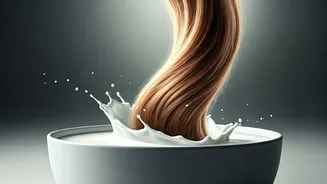
The idea of using milk for hair growth is deeply rooted, stemming from the apparent connection between milk's protein content and hair's protein structure.
This intuitive logic has led many to believe that a milk soak could significantly boost hair length. This belief has persisted through generations, often passed down as a trusted home remedy, and has recently seen a resurgence on social media platforms. While this notion seems straightforward, a closer examination through a scientific lens reveals a more nuanced reality, suggesting that the benefits of milk for hair might be more about perception and conditioning than actual growth stimulation. The widespread popularity of this hack warrants a closer look at its effectiveness and the underlying biological processes involved in hair development.
Cosmetic Perks, Not Growth
While milk may not be the key to rapid hair elongation, it does offer several cosmetic advantages that contribute to a healthier appearance. The natural fats present in milk can coat each strand, bestowing a sense of softness and a smoother texture, reminiscent of a salon treatment. This coating also helps to tame frizz by adding weight and moisture, making hair more manageable. Additionally, the lactic acid within milk can gently exfoliate a dry scalp, promoting a healthier environment for hair. These effects, though not directly related to growth, can create an illusion of healthier, longer hair by reducing breakage and improving overall manageability and shine, leading users to perceive it as promoting growth.
The Illusion of Length
The perceived increase in hair length from milk treatments often stems from an "illusion of growth" rather than an actual acceleration of the hair cycle. When hair is well-hydrated, less prone to breakage, and smoother, it retains its length more effectively. Instead of growing faster, the hair simply isn't being lost as quickly due to damage. This improved hair health, characterized by reduced snapping and enhanced manageability, makes the hair appear longer. It’s a phenomenon where enhancing the quality and condition of existing hair leads to the mistaken belief that it is growing at an accelerated rate. This psychological aspect plays a significant role in why the milk-for-hair-growth myth persists despite a lack of scientific evidence for accelerated growth.
Internal Nutrition Matters Most
While topical milk application has limited impact on hair growth, ingesting milk offers far greater benefits. When consumed, the proteins, vitamins, and minerals are absorbed into the bloodstream, where they can be effectively utilized by the body to produce keratin, the primary protein that makes up hair. This internal delivery system is the only way to provide the essential building blocks necessary for robust hair growth. Therefore, drinking milk contributes to hair health by supplying the body with the raw materials it needs, rather than external application which struggles to penetrate the hair shaft or reach the growth follicles. Nutrition is a fundamental component of the hair growth cycle, and dietary intake is key.
Understanding Hair Growth Machinery
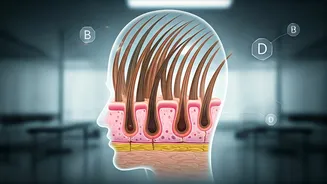
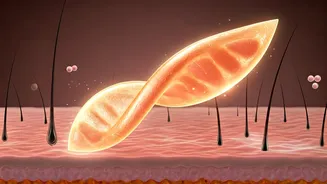
Hair growth is a complex biological process originating deep within the scalp, not on the surface. The hair follicles, situated beneath the skin, are responsible for generating new hair. This intricate 'machinery' is influenced by several internal factors that external treatments cannot directly alter. Genetics dictates an individual's hair growth rate and pattern, while hormones act as crucial regulators of the hair cycle. Internal nutrition, absorbed through the bloodstream, provides the necessary nutrients for keratin production. Furthermore, overall health, including stress levels and sleep quality, plays a significant role in hair vitality. Consequently, applying substances like milk externally cannot expedite this internal, genetically and hormonally driven growth process.
Science-Backed Hair Care
For genuinely effective hair growth and health, focusing on scientifically supported practices is paramount. This involves maintaining a balanced diet rich in essential nutrients like iron, zinc, and biotin, which are critical for keratin synthesis and follicle function. Regular scalp care, including keeping the scalp clean and stimulating blood flow through gentle massages, promotes a healthy environment for growth. Additionally, minimizing damage from heat styling tools and avoiding harsh chemical treatments helps preserve hair integrity and prevent breakage, thus aiding in length retention. These fundamental aspects of hair care address the root causes of hair health and growth, offering tangible results that topical applications often fail to provide.
The Verdict: Conditioning, Not Growth
In essence, the notion that washing hair with milk leads to faster growth is a prevailing myth. The reality is that milk primarily functions as a beneficial conditioner. It softens hair, enhances its appearance, and improves manageability, which indirectly helps in retaining length by reducing breakage. While milk is rich in proteins, vitamins, and fats beneficial for hair, these components are most effective when consumed internally. The proteins are too large to penetrate the hair shaft or scalp effectively when applied topically, and they cannot reach the follicle to stimulate growth. Therefore, milk is best enjoyed for its conditioning properties, contributing to softer, shinier, and more manageable hair, rather than promoting accelerated growth.