





A Culinary Paradox
Venture into the bustling streets of Thoothukudi, Tamil Nadu, and you might encounter an unusual sight: 'night clubs' lining almost every corner. However,
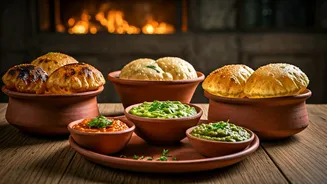
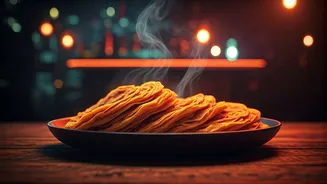
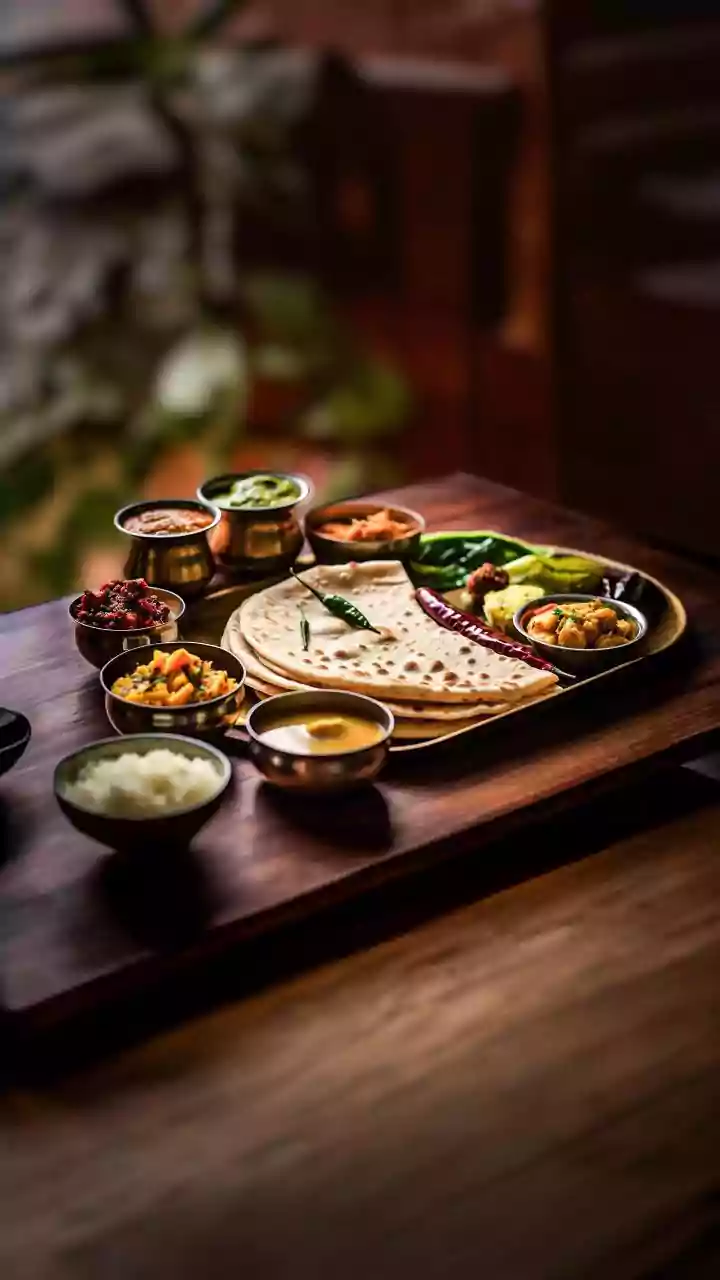
these establishments are far removed from the typical image of late-night entertainment. Instead of music, dancing, and cocktails, these places are dedicated to a different kind of indulgence – food. It's common to find five or six of these eateries side-by-side, creating a distinctive culinary landscape. For locals, from the youngest to the oldest, these are cherished spots for a hearty meal. The term 'night club' in this district has become synonymous with vibrant parotta shops, offering a complete dining experience for as little as Rs 50, making them incredibly accessible and popular. This unusual nomenclature is deeply rooted in the town's history and its connection to various working communities.
Echoes of the Past
The peculiar naming convention of Thoothukudi's eateries as 'night clubs' has a fascinating historical origin tied to the town's past as a significant port city. During eras when Thoothukudi bustled with port workers, railway employees, ship crews, and even British officials, many of these individuals worked through the night. This nocturnal workforce had a pressing need for places to eat during their off-hours. In response, eateries that specialized in late-night service began to emerge. These parotta shops would typically open their doors around 6 in the evening and continue serving customers until approximately 3 in the morning, catering to those finishing their night shifts. The British influence of the time played a crucial role; the word 'club' was commonly used to refer to any place where people gathered to eat and socialize. Consequently, these establishments catering to the night-working population naturally evolved into being known as 'night clubs'.
Enduring Tradition
Although the original necessity for exclusively late-night service has somewhat diminished, the moniker 'night club' has firmly cemented itself as a defining characteristic of Thoothukudi's parotta shops. Today, while parottas are readily available throughout the day, the traditional name has persevered, becoming an integral part of the town's cultural identity. This enduring label is a direct legacy of Thoothukudi's historical working culture and the linguistic patterns that emerged during the British colonial period. The fusion of these elements created a unique nomenclature that has outlasted its initial context, transforming into a celebrated symbol of the town's distinctive culinary scene and a testament to its rich past.