






Everyday Thirst Explained
We all experience thirst under specific circumstances. For instance, after a vigorous exercise session, spending time in scorching heat, or indulging in a particularly
salty meal, it's natural for your body to crave fluids. This type of thirst is generally temporary and easily quenched by drinking water or other beverages. Once you rehydrate, the feeling of thirst subsides, and your body returns to its normal state. This is a fundamental physiological response designed to maintain adequate hydration levels and is a sign that your body is functioning correctly in response to environmental or activity-based demands. It's your body's way of saying, 'I need some liquid to get back on track,' and it usually resolves promptly after intake.
Diabetes and Excessive Thirst
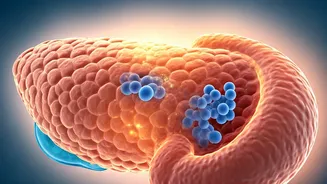
When thirst becomes a persistent companion, unyielding even after consuming a considerable amount of fluids, it warrants closer examination. This unquenchable thirst, medically termed polydipsia, can be a prominent indicator of diabetes. In individuals with diabetes, elevated blood glucose levels disrupt the body's fluid balance. High sugar in the bloodstream acts like a magnet, drawing water out of your tissues and compelling your kidneys to produce more urine to excrete the excess sugar. This process leads to significant fluid loss and dehydration, triggering a continuous signal of thirst that drinking water struggles to satisfy. It's a cycle where your body is constantly trying to compensate for fluid depletion caused by uncontrolled blood sugar.
Key Warning Signs
Distinguishing between normal thirst and that associated with diabetes involves observing more than just the intensity of your thirst. Several accompanying symptoms can act as critical red flags. Frequent urination, especially at night, is a common companion to excessive thirst in diabetes, as the body attempts to expel excess sugar. You might also notice persistent fatigue that isn't easily explained by lack of sleep or exertion. Unexplained weight loss, where you shed pounds without changing your diet or exercise routine, is another significant indicator. Blurred vision, increased hunger despite eating, a persistently dry mouth, and wounds that take an unusually long time to heal can also be present. The presence of these symptoms alongside constant thirst strongly suggests a potential underlying issue with blood sugar regulation.
When to Seek Help
Paying attention to the pattern and context of your thirst is paramount. If you find yourself feeling thirsty throughout the entire day, and this thirst isn't alleviated even after you've drunk what you believe to be sufficient fluids, it's time to raise a concern. Furthermore, if thirst disrupts your sleep, waking you up multiple times during the night to drink, this is a deviation from normal thirst patterns. The combination of this persistent, unquenchable thirst with any of the other warning signs like frequent urination, unexplained fatigue, blurred vision, or increased appetite should prompt you to consult a healthcare professional. Recognizing these signals early can lead to timely diagnosis and management of conditions like diabetes, significantly impacting your long-term health and well-being.