




Coconut Oil's Scalp Support
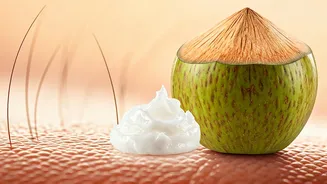
Coconut oil is celebrated for its rich content of lauric acid, a fatty acid known for its protective qualities towards hair strands. This component actively
works to minimize protein loss from your hair, thereby strengthening it. Beyond mere strand protection, coconut oil also significantly contributes to a healthier scalp environment. It helps combat common scalp issues like fungal infections and severe dryness. While it doesn't directly reverse the condition of alopecia areata, its indirect benefits are substantial. By fostering a healthier scalp and reducing hair breakage, it can assist in the gradual filling of bald patches over time. However, it's important to note that for specific types of hair loss like androgenetic alopecia or alopecia areata, coconut oil's direct impact on reversing the condition is limited.
Coconut Water's Growth Aid
Coconut water, being exceptionally lightweight and packed with essential nutrients, offers a different set of advantages when integrated thoughtfully into hair care routines. Its benefits, particularly in enhancing hair density and accelerating growth rates, are most pronounced when it's part of more advanced treatment formulations. While it's often suggested for topical application and even consumption to boost hair growth, it's crucial to understand that coconut water is not a standalone cure for hair loss conditions like alopecia areata. Instead, it functions best as a complementary element within a broader DIY application strategy, potentially aiding in achieving noticeable changes when used consistently alongside other treatments.
Comparing Their Impact
When considering the best approach for managing alopecia areata, it's essential to recognize that coconut oil and coconut water serve complementary, rather than competing, roles. Coconut oil can be beneficial in fortifying the scalp and mitigating issues like hair breakage, which are common concerns for individuals with alopecia. Meanwhile, coconut water can contribute to keeping the scalp hydrated and can act as an additive to hair growth treatments, potentially enhancing their effectiveness. Neither ingredient, however, is recognized as a definitive, clinically proven solution for alopecia. The choice isn't about selecting one over the other; rather, it's about understanding how both can support overall hair health and contribute to a comprehensive hair care regimen.