


The Dry Truth About Dye
Embarking on a hair coloring journey offers a fantastic way to refresh your look, but it's crucial to be aware of potential drawbacks, especially concerning
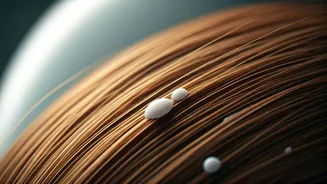
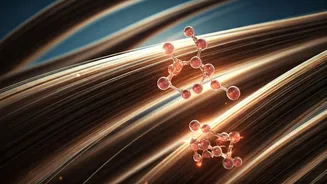
hair texture. Hair dryness is a common side effect that arises directly from the chemical components present in hair dyes. Dermatologists explain that permanent and semi-permanent dyes typically contain hydrogen peroxide and ammonia. These ingredients work by lifting the hair's outer protective layer, known as the cuticle, to allow color pigments to penetrate the hair's inner core, the cortex. This lifting action disrupts the hair shaft's natural structure, leaving the cuticle raised and rough. Consequently, the hair loses its ability to retain moisture effectively, becoming more prone to dehydration and weakness than untreated hair.
Bleaching: The Ultimate Challenge
When it comes to hair dyeing, the intensity of the color and the products used significantly influence the degree of dryness experienced. Stronger dyes, particularly those with higher concentrations of peroxide, exert a more forceful lifting action on the hair cuticle. However, bleaching stands out as the most aggressive process. Bleaching not only removes the hair's natural pigment, melanin, but also strips away essential structural lipids. This dual action leaves the hair exceptionally porous, making it highly susceptible to rapid moisture loss. The outcome is hair that is not only dry but also fragile and more susceptible to breakage, underscoring the importance of understanding the impact of different coloring techniques on hair health.
Post-Color Care Essentials
Proper aftercare is paramount for maintaining the health and vitality of colored hair, as it requires a different approach compared to natural hair. A key first step is to transition to sulfate-free shampoos. Sulfates are known to strip away artificial color and further dehydrate hair that has already undergone chemical treatment. Integrating a protein-rich hair mask into your weekly routine can also be highly beneficial. These masks help to temporarily rebuild the hair cuticle and replenish lost keratin, a crucial protein for hair strength. Look for masks containing ingredients like hydrolyzed keratin, ceramides, and bond-building complexes, which are excellent for restoring compromised hair structure.
Protecting Your Investment
Beyond specialized products, certain practices are vital for preserving the integrity of your colored hair. It's advisable to avoid heat styling for at least 72 hours immediately following a dye treatment, as hair is most vulnerable during this period. Daily application of a leave-in conditioner or hair serum can create a protective barrier against damaging environmental factors such as UV radiation, humidity, and pollution. Furthermore, it's important to allow sufficient recovery time between chemical treatments. Overlapping coloring sessions without adequate intervals can severely exacerbate dryness and increase the likelihood of hair breakage, impacting the overall health and appearance of your dyed hair.