




Understanding GLP-1
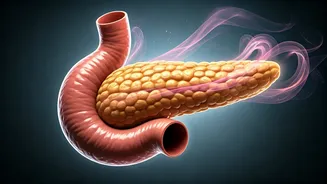
Glucagon-like peptide-1 (GLP-1) is a naturally occurring hormone crucial for regulating blood sugar. Secreted by the gut, it signals the pancreas to produce
insulin, which helps cells absorb glucose for energy. Beyond glucose control, GLP-1 also contributes to feelings of fullness and supports metabolic health, potentially aiding in weight management. While most individuals produce sufficient GLP-1, those with conditions like diabetes or insulin resistance may benefit from enhanced levels. Insulin resistance occurs when cells struggle to respond to insulin, preventing efficient sugar absorption and leading to elevated blood glucose. Similarly, diabetes is characterized by the body's inability to produce or effectively utilize insulin, creating significant metabolic challenges.
Eggs & Protein Power
Starting your day with protein-rich foods, such as eggs, can potentially enhance GLP-1 release, according to emerging evidence. While the direct link between high-protein breakfasts and GLP-1 is still under investigation, incorporating these options offers significant health advantages. Meals featuring eggs, milk, peanut butter toast, protein smoothies, quinoa porridge, or Greek yogurt with fruits provide vital nutrients that support overall health. These nutrient-dense choices may also play a role in stabilizing blood sugar levels and promoting satiety, helping you feel fuller for longer. Prioritizing these protein sources can be a foundational step toward better metabolic control.
Nuts: Healthy Fats
Nuts are a popular, nutrient-dense snack that can be a valuable addition to a balanced diet. While some research suggests that consuming nuts may influence GLP-1 levels, findings have been inconsistent, with some studies indicating an increase and others a decrease. Larger, more diverse studies are needed to definitively establish a connection. Nevertheless, nuts are an excellent source of protein, healthy fats, and dietary fiber, all of which contribute to a healthier diet. Enhancing your diet with nuts can improve nutritional intake and is associated with better weight management, irrespective of their specific impact on GLP-1.
Fiber-Rich Grains
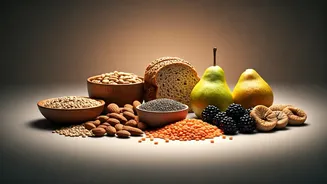
Incorporating whole grains rich in soluble dietary fiber, such as oats, barley, and rye, can be instrumental in stimulating natural GLP-1 production. These fibers not only aid in the release of GLP-1 but also contribute to better blood glucose management, improved insulin sensitivity, and enhanced digestive health. Making the switch from refined grains to high-fiber whole grains is a positive step for overall well-being. Many individuals fall short of the recommended daily fiber intake (25 grams for women, 38 grams for men). Tracking your food intake using tools can help ensure you meet these targets.
Magnesium's Role
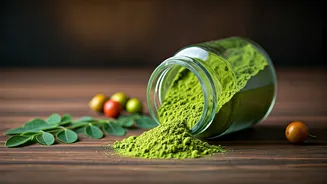
Magnesium is a vital mineral that contributes to numerous bodily functions, including the maintenance of healthy blood glucose levels. Preliminary research in diabetic rats indicates that magnesium may promote GLP-1 release, regulate glucose metabolism, and improve insulin sensitivity. However, more extensive human studies are required to confirm these effects in people. Regardless of its potential influence on GLP-1, magnesium is essential for overall health. You can increase your intake through foods like spinach, leafy greens, nuts, peas, beans, whole grains, and seeds, or by considering magnesium supplements.
Lean Protein Benefits
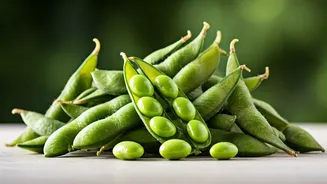
Lean protein sources, including chicken, fish, and tofu, may play a role in elevating GLP-1 levels. These foods are rich in amino acids, which are believed to support GLP-1 secretion. Beyond this potential effect, lean proteins are critical for maintaining muscle mass and can assist in managing body weight effectively. Incorporating lean protein into your meals can contribute to enhanced natural GLP-1 activity, help stabilize blood sugar, and support the health of your muscles, thereby promoting a healthier metabolic profile.