






Mighty Millets Ascend
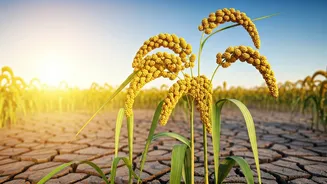
As the mercury rises, embrace the power of millets like bajra and ragi. These resilient grains are perfectly suited for India's warm embrace, demonstrating
an astonishing ability to grow with minimal water. Beyond their impressive drought tolerance, millets are nutritional powerhouses, offering a wealth of health benefits and serving as a versatile staple in both agricultural systems and daily Indian meals. Their adaptability makes them an excellent choice for farmers looking to cultivate crops that are as kind to the environment as they are to our bodies, contributing significantly to food security and sustainable land use in arid and semi-arid regions. Their cultivation is a testament to ancient wisdom meeting modern agricultural needs for resilience.
Sorghum's Sunny Stance
Jowar, or sorghum, stands as a robust contender for cultivation in India's sun-drenched, semi-arid landscapes. This hardy cereal crop is particularly prevalent in regions like Maharashtra, where it not only provides a vital source of nourishing grain for human consumption but also yields valuable fodder for livestock. Its ability to withstand hot weather and relatively dry conditions makes it an indispensable crop for farmers seeking to optimize their agricultural output while minimizing reliance on excessive irrigation. Jowar's dual benefit of providing food and feed underscores its importance in integrated farming systems, supporting both rural economies and food availability across diverse agro-climatic zones within India.
Horse Gram's Dry Domain
For those seeking a pulse that thrives in less-than-ideal soil and climate conditions, horse gram presents an exceptional solution. This traditional legume flourishes readily in dry soils and warm environments, showcasing its natural resilience. Beyond its ease of cultivation, horse gram is a rich source of protein, making it a valuable component of a healthy diet. Furthermore, its growth contributes positively to soil health, acting as a natural soil conditioner and improving fertility. Incorporating horse gram into farming rotations can enhance the overall sustainability of agricultural practices, particularly in regions prone to drought, thereby supporting both nutritional security and ecological balance.
Moth Beans' Sunny Adaptation
Moth beans are a remarkable example of a legume that has masterfully adapted to the challenges of hot, dry climates and sandy soils. This characteristic makes them an ideal choice for low-water farming systems, particularly in regions like Rajasthan, where water scarcity is a significant concern. As a staple food in these areas, moth beans provide essential nourishment and are well-suited to the local agricultural landscape. Their ability to grow and yield produce under conditions that would challenge many other crops highlights their importance in ensuring food availability and supporting agricultural livelihoods in arid and semi-arid parts of India. Their resilience is key to sustainable cultivation.
Cowpea's Quick Contribution
Cowpea, often known as lobia, offers a combination of rapid growth and significant ecological benefits. This versatile legume not only matures quickly, providing a relatively fast return for farmers, but also actively enriches the soil through nitrogen fixation. This natural soil-improvement capability reduces the need for synthetic fertilizers, contributing to more sustainable and cost-effective farming. The tender pods and beans of the cowpea are a popular and nutritious ingredient enjoyed in a wide array of Indian culinary preparations. Its ability to thrive in warm weather and its dual role in food production and soil health make it a valuable crop for diverse agricultural settings.
Cluster Beans' Climate Charm
Cluster beans, or guar, are a highly valued crop that demonstrates exceptional resilience in hot climatic conditions. Widely cultivated across western India, this vegetable is not only appreciated for its culinary uses but also for its significant industrial applications, particularly in the production of guar gum. Its ability to withstand high temperatures and relatively dry spells makes it a reliable choice for farmers in these regions. The dual utility of cluster beans—as a food source and an industrial commodity—enhances its economic importance and underscores its role in supporting agricultural diversity and economic stability in drought-prone areas of the country.
Pigeon Pea's Persistent Presence
Pigeon pea, or arhar, is a quintessential pulse deeply embedded in the fabric of Indian agriculture and cuisine. This hardy legume consistently performs well in warm regions, proving its enduring suitability for the Indian climate. As a staple ingredient for 'dal', it forms a cornerstone of daily meals across the nation, providing essential protein. Its strong roots in traditional farming practices and its widespread popularity in everyday dishes highlight its importance for both food security and cultural continuity. The crop's reliability in warm conditions ensures a steady supply, making it a vital component of India's agricultural landscape and dietary habits.
Sesame's Sunny Seeds
Sesame, or til, is a cherished oilseed crop that thrives in well-drained soils, basking in abundant sunshine. Its small, nutrient-dense seeds are a treasure trove of flavor and health benefits, making them a vital component in traditional Indian cooking and festive preparations. The plant's preference for sunny conditions and its relatively low water requirements make it an excellent choice for cultivation during the warmer months, particularly in regions that receive ample sunlight. The versatility of sesame seeds, whether toasted, ground, or pressed for oil, ensures their continued significance in both culinary traditions and agricultural practices across India.