






Connect with Earth
Earthing, also known as grounding, involves direct barefoot contact with natural surfaces like grass, soil, or sand. This practice is believed to transfer
the earth's natural negative electrical charge to the body, acting as an antioxidant by absorbing free electrons. Scientific studies suggest that grounding can effectively reduce inflammation, lower cortisol levels, enhance sleep quality, and help stabilize the autonomic nervous system, which is often overactive during burnout. To engage in earthing, find a patch of natural ground, remove your shoes and socks, and spend at least 20-30 minutes standing, sitting, or walking. For city dwellers, a park's grassy area or even concrete steps can offer some benefit, though natural surfaces are ideal. Consistency is key, with even 10-15 minutes daily making a noticeable difference in restoring your nervous system's balance.
Immerse in Forests
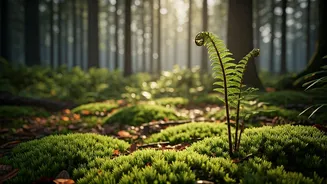
Forest bathing, or 'shinrin-yoku' in Japanese, is a practice rooted in preventive healthcare that focuses on immersing oneself in the presence of trees. It encourages engaging all senses to absorb the natural environment, leading to profound relaxation. Research indicates that spending time in forests significantly lowers cortisol levels and boosts feelings of calm and overall mood compared to urban settings. The prevailing theory suggests that trees release beneficial compounds called phytoncides, which, when inhaled, help reduce stress hormones. This practice also provides a mental respite, allowing the brain to disengage from performance demands. To practice forest bathing, find a wooded area or tree-lined path, leave headphones behind, walk slowly, and deliberately engage your senses for 45 minutes to two hours, though even 20 minutes can offer tangible benefits. Aiming for this at least weekly is recommended for sustained well-being.
Meditate with Nature
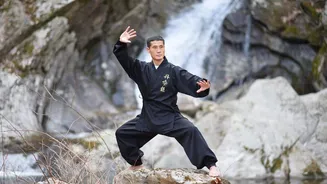
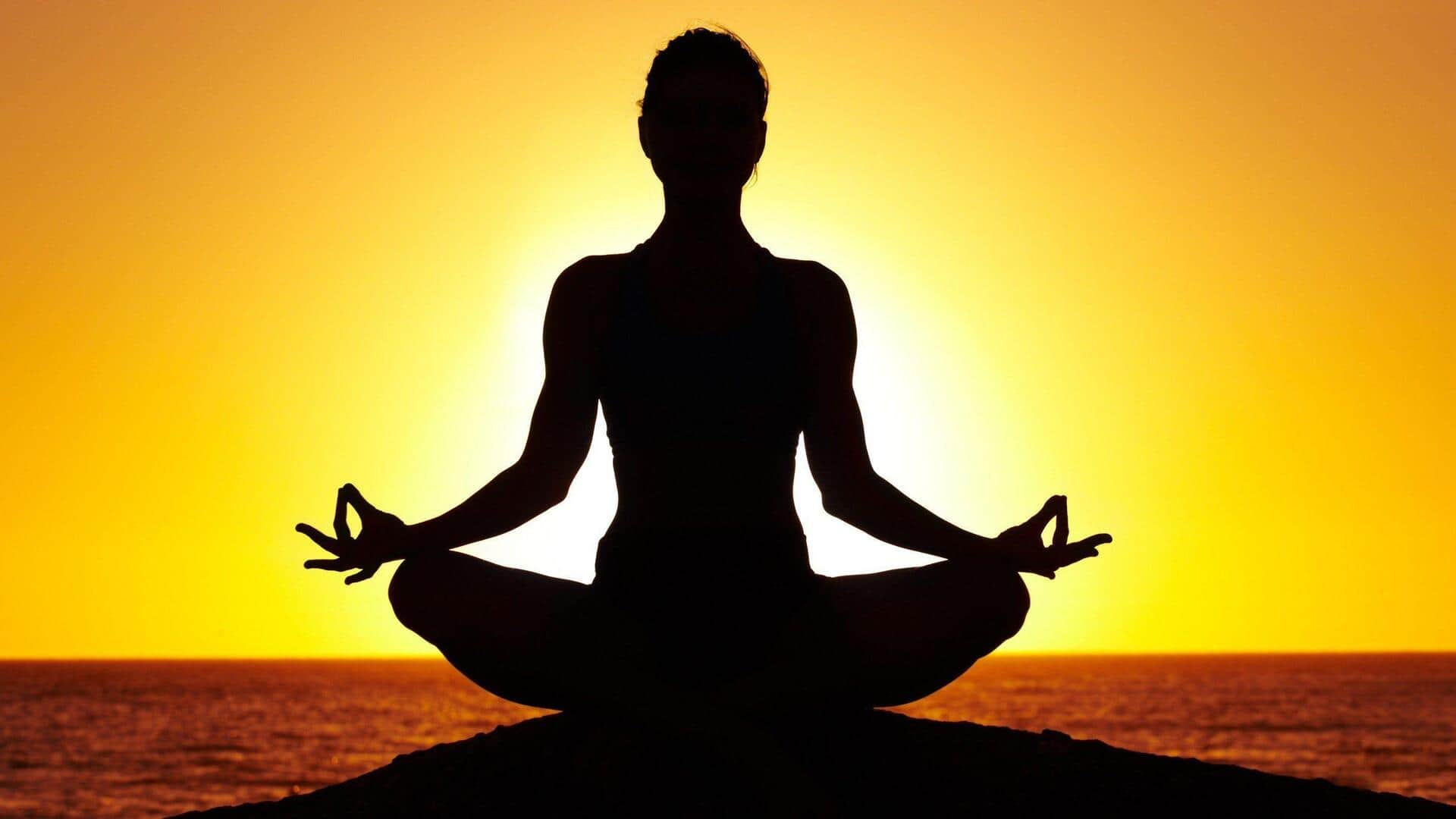
Nature meditation offers an alternative to traditional breath-focused meditation, using natural elements like water, wind, fire, or stone as anchors for attention. This method is particularly helpful when burnout makes silent introspection overwhelming. By focusing on tangible external elements, it provides the mind with something concrete to engage with, sidestepping the often-anxiety-inducing internal dialogue. To practice, choose an element available to you: focus on the sound and movement of water, the feel of the wind on your skin, the gentle flicker of a candle flame, or the weight and texture of a stone. Spend 10-15 minutes with your chosen element, gently redirecting your mind back to it when it wanders. Even in urban settings, elements like a fountain, a candle, or a smooth stone can be used effectively, requiring just a few quiet moments for restoration.
Gaze at the Sky
Sky gazing is an exceptionally simple yet powerful practice for combating burnout. It involves lying or sitting comfortably and simply looking up at the sky. The sheer vastness of the sky has a remarkable ability to quickly put things into perspective by exposing us to something significantly larger than ourselves. Experiencing this sense of awe can diminish our self-focused anxieties and quiet the agitated mind associated with burnout. To practice sky gazing, find a comfortable spot to look upwards, set a timer for 10-20 minutes to avoid clock-watching, and allow your gaze to be soft and unsearching. Observe the natural movements of clouds, shifting light, or appearing stars without trying to overthink. If your mind drifts to daily tasks, gently guide your attention back to the sky. This simple act offers a profound sense of peace and recalibration.