




Ancient Wisdom Unveiled
Long before the advent of electric cooling, ancient Indian societies mastered the art of keeping their living spaces refreshingly cool, even amidst scorching
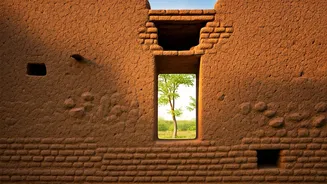
heat. Central to this ingenious approach was the humble yet remarkably effective material known as terracotta. This natural clay-based pottery, which has been an integral part of Indian life for millennia, boasts a history of application in cooling that stretches back over 3,000 years, originating from the sophisticated Indus Valley Civilization. The foundational principle behind this technique is a natural process of evaporation, akin to how our bodies cool through perspiration, which effectively draws heat away from the immediate surroundings, offering a sustainable and energy-free solution to climate control in dwellings.
Terracotta's Cooling Mechanics
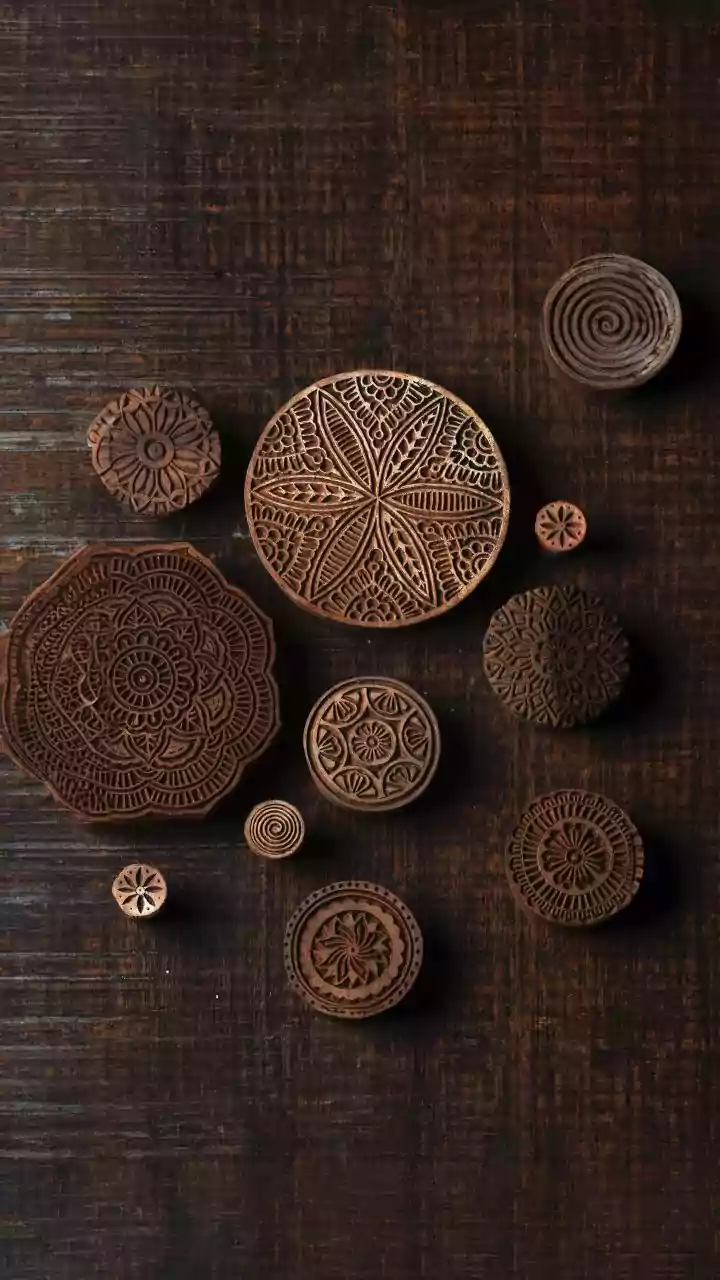
The remarkable cooling capabilities of terracotta stem from its inherent physical composition. As explained by experts like Adithya Pradyumna from Azim Premji University, the material is characterized by an abundance of microscopic pores. These tiny openings allow water to gently permeate through the terracotta and then gradually evaporate from its surface. This evaporation process is the key to its cooling effect; it requires energy in the form of heat, which is drawn directly from the surrounding air and surfaces. Consequently, the temperature in the vicinity of the terracotta drops significantly. This mirrors the biological process of sweating, where the evaporation of bodily moisture cools us down. Beyond its evaporative properties, terracotta is also a poor conductor of heat, meaning it resists the passage of thermal energy, further insulating spaces from external warmth and maintaining a stable, cooler interior climate.
Modern Revival in Architecture
This time-tested wisdom is experiencing a resurgence in contemporary building practices, as architects and builders recognize the profound benefits of integrating traditional, eco-friendly materials into modern designs. A particularly innovative application of this ancient technique involves the 'filler slab' method, a construction approach that ingeniously incorporates terracotta pots into the very fabric of the roof. In this system, inverted clay pots are strategically placed within the framework of a roof before concrete is poured. Once the concrete cures, these embedded pots create sealed air pockets within the slab. These hollow spaces act as effective thermal insulators, dramatically reducing the amount of heat that transfers from the roof into the living space below. Furthermore, the reduced use of concrete in the slab design also contributes to less heat absorption, enhancing the overall cooling efficiency of the structure.
Dual Benefits: Cool & Warm
Buildings constructed utilizing this terracotta-infused filler slab technique have demonstrated a remarkable capacity to lower indoor temperatures, with studies indicating reductions of up to 50 percent compared to conventional structures. This significant decrease in heat not only enhances occupant comfort but also directly translates to reduced reliance on energy-intensive air conditioning systems. The implications are twofold: lower electricity bills, leading to substantial cost savings over time, and a significantly diminished carbon footprint, contributing to environmental sustainability. Interestingly, the insulating properties of the air pockets created by the embedded terracotta pots are not limited to combating heat; they also serve to retain warmth during colder months. This dual functionality ensures a more consistent and balanced indoor climate throughout the year, showcasing the holistic and enduring brilliance of this ancient architectural solution.