




Gentle Dough Handling
One of the most frequent errors that can lead to tough gulab jamuns is overworking the dough. Excessive kneading develops the gluten in the flour, resulting
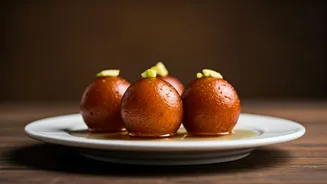
in a dense texture. The key is to handle the dough gently. After mixing the ingredients, just bring the dough together until it forms a cohesive mass. Avoid kneading vigorously. If you over-knead the dough, the resulting jamuns will be hard and compact, making them less enjoyable to eat. A light touch and minimal handling are essential for achieving the desired soft texture. Keep in mind that a soft dough is the key to fluffy gulab jamuns.
Small, Smooth Balls
The size and smoothness of the gulab jamun balls significantly affect their final texture. Forming small balls ensures even cooking throughout. Larger balls might remain undercooked in the center or burn on the outside. Roll each ball meticulously between your palms until it's perfectly smooth, without any cracks. Cracks in the balls allow oil to seep in during frying, leading to hard jamuns. Ensure you don't overfill the balls with air, as this could cause them to burst when frying. Small, smooth, and crack-free balls are the foundation of soft, spongy gulab jamuns. Consistent ball size also helps them cook uniformly.
Fry Low and Slow
Controlling the frying temperature is crucial for the perfect gulab jamun. Frying at a low to medium heat setting ensures that the jamuns cook evenly from the inside out. High heat causes the outside to brown too quickly, leaving the inside uncooked and potentially hard. Maintain a consistent oil temperature throughout the frying process. If the oil is too hot, the jamuns will cook fast but remain undercooked in the middle, and if it's not hot enough, they'll absorb excess oil. Fry the balls in batches, allowing enough space between them so the oil temperature doesn't drop drastically. Gently turn them often to ensure even browning and cooking, resulting in fluffy, evenly cooked, and tender gulab jamuns.
Ideal Khoya/Milk Powder
The quality of khoya (dried milk solids) or milk powder used plays a vital role. Using the right type of khoya or milk powder mix is essential. Fresh, good-quality khoya produces the best results, contributing to a soft and flavorful texture. If using milk powder, select a good brand, and follow the recipe instructions carefully. The proportion of khoya or milk powder to other ingredients also impacts the final outcome. Too much khoya or powder can make the jamuns dense, while too little can lead to them being dry. Ensure you're measuring ingredients accurately and using the correct ratio of khoya or milk powder for the desired consistency, this will have an effect on the softness of the jamuns.
Keep Syrup Warm
The temperature of the sugar syrup significantly influences the absorption and the final texture. After frying, submerge the gulab jamuns in warm sugar syrup. If the syrup is too hot, the jamuns might disintegrate. If it's too cold, they won't absorb the syrup properly, resulting in hard jamuns. Warm syrup allows the jamuns to soak up the sweetness and become soft and spongy. Avoid boiling the syrup after adding the jamuns. Gently heat the syrup, add the jamuns, and let them soak for at least 30 minutes, or even longer, for optimal absorption. This process softens the jamuns and infuses them with delicious, sugary goodness, making them irresistibly soft.