
What is a Heart Attack?
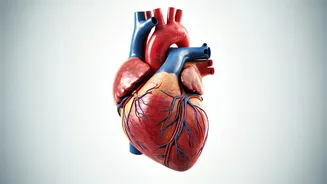
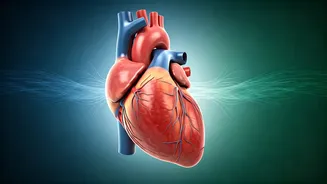
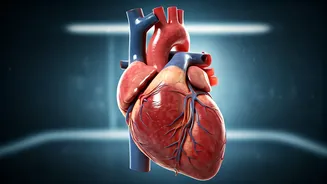
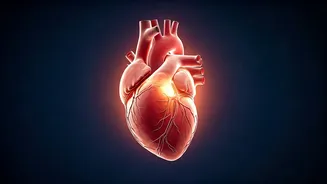
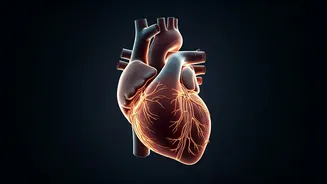
A heart attack, also known as a myocardial infarction, occurs when blood flow to the heart is severely reduced or blocked. This typically happens because
of a build-up of fat, cholesterol, and other substances in the arteries (coronary arteries). This build-up forms plaque, which can rupture and form a clot that blocks the artery, cutting off blood flow to the heart muscle. Without enough oxygen, the heart muscle can be damaged or even die. It is crucial to act fast if you suspect a heart attack. Common symptoms include chest pain or discomfort, shortness of breath, pain in the arm, shoulder, jaw, or back, and sweating, nausea or vomiting. Seek immediate medical attention if you experience these symptoms.
Immediate Actions Required
When someone shows symptoms of a heart attack, quick action can be the difference between life and death. The first and most crucial step is to call for emergency medical help immediately. Do not delay, as time is of the essence. If the person is conscious, help them sit down and try to keep them calm. If they have prescribed medication like nitroglycerin, help them take it if they're able. If the person becomes unresponsive and stops breathing, begin CPR (cardiopulmonary resuscitation). CPR involves chest compressions to help circulate blood and oxygen to the brain and other vital organs until medical help arrives. Continue CPR until professional medical assistance arrives or the person starts breathing on their own.
Medical Treatments Explained
Doctors employ a range of treatments to manage a heart attack and its aftermath. The primary goals are to restore blood flow to the heart and minimize damage. Medications such as aspirin, which helps prevent blood clots, and thrombolytics (clot-busting drugs) are often used to break up blood clots. Angioplasty and stenting are common procedures where a catheter is used to open blocked arteries. A balloon is inflated to widen the artery, and a stent (a small mesh tube) is placed to keep the artery open. In severe cases, coronary artery bypass surgery (CABG) may be necessary. In this surgery, a blood vessel is taken from another part of the body and used to create a new pathway for blood to flow around the blocked artery.
Lifestyle Changes for Recovery
After a heart attack, making significant lifestyle changes is key to recovery and preventing future cardiac events. Adopting a heart-healthy diet is essential, which involves focusing on fruits, vegetables, whole grains, lean proteins, and limiting saturated and trans fats, cholesterol, and sodium. Regular exercise is also crucial. Aim for at least 150 minutes of moderate-intensity or 75 minutes of vigorous-intensity aerobic exercise per week, combined with strength training exercises. Quitting smoking is one of the most important steps someone can take to improve their heart health. Manage stress effectively through techniques like meditation, yoga, or spending time in nature. Attend cardiac rehabilitation programs for support and education.
Long-Term Monitoring and Care
Ongoing monitoring and care are essential for managing heart health after a heart attack. Regular check-ups with a cardiologist are necessary to monitor heart function and assess overall health. These visits may include tests like electrocardiograms (ECGs), echocardiograms, and stress tests. Adhering to prescribed medications is vital, as these medications play a crucial role in managing blood pressure, cholesterol, and other risk factors. Patients should also be proactive in communicating any changes in symptoms or new concerns to their healthcare provider. Joining support groups or counseling sessions can provide emotional support and guidance to adapt to the new lifestyle and manage stress effectively. Education about heart health and potential risks is key to long-term wellness.