


Choose Quality Ingredients
The foundation of a perfect pickle lies in the quality of its ingredients. Start with fresh, vibrant green chillies, ideally those that are firm and free
from blemishes. Select ginger that is plump and has a smooth skin; avoid any with wrinkled or shrunken appearance. Ensure that your other ingredients, such as garlic, mustard seeds, and spices, are of the best possible quality to ensure maximum flavor. When selecting the salt, opt for a good quality sea salt or rock salt, as it enhances the overall taste. Freshness directly impacts the pickle's taste and longevity, so carefully examine each component.
Precise Preparation Matters
Thorough preparation of your ingredients is crucial. Wash and dry the green chillies and ginger meticulously. Chop the chillies and ginger according to your preferred texture, ensuring consistency for even pickling. Some prefer thinly sliced chillies, while others opt for a chunkier cut; this choice impacts the final texture and intensity of the pickle. Sterilizing your jars and utensils is another critical step, killing any potential bacteria that could spoil your pickle. This involves boiling glass jars and lids for a period of time to eliminate these unwanted elements. Drying them completely before use is essential, preventing moisture from interfering with the pickling process and ensuring the longevity of your homemade pickle.
Perfect Spice Blend Balance
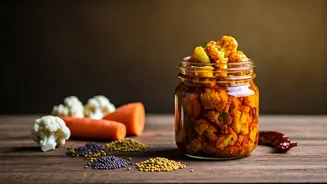
The balance of spices is key to a flavorful pickle. The typical spice blend for green chilli and ginger pickle often involves a combination of mustard seeds, fenugreek seeds, turmeric powder, and asafoetida. Each spice contributes a different layer of flavor; mustard seeds provide a slight crunch and pungency, while fenugreek seeds impart a characteristic aroma and flavor. Turmeric adds color and acts as a natural preservative. Asafoetida, used sparingly, adds a savory depth to the pickle. Experimenting with spice ratios allows you to customize the flavor profile to your preferences, but maintaining the correct proportions is essential. It is important to remember that less is more to avoid overpowering the other flavors.
Master the Oil Selection
The type of oil you use significantly influences the taste and preservation of your pickle. Mustard oil is traditionally used in Indian pickles due to its robust flavor and its ability to preserve the pickle. However, sesame oil can also work, offering a slightly different flavor profile. The oil acts as a sealant, preventing air from reaching the ingredients and slowing down spoilage. Before adding the oil, heat it until it reaches a smoking point. This step not only enhances the flavor of the oil but also helps to kill off any bacteria. Ensure the oil completely covers the chillies and ginger; this ensures proper preservation.
Pickling Time and Method
The pickling process requires the correct balance of acidity, typically achieved through vinegar or lemon juice. If using vinegar, ensure that the ratio is sufficient to preserve the pickle. After combining all ingredients, you have to let the pickle sit. The traditional method involves letting the pickle sit in a well-ventilated area for several days or weeks, depending on the recipe and desired level of fermentation. This time allows the flavors to meld and deepen. The length of time you allow the pickle to ferment will impact the taste; a shorter period results in a milder pickle, while a longer period will give a more pungent flavor. Keep a close eye for any mold or other spoilage signs.
Storage and Preservation
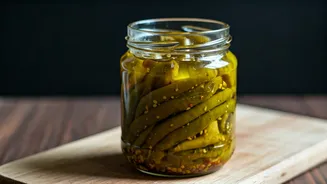
Proper storage is crucial for prolonging the life and maintaining the quality of your homemade pickle. After the pickling process is complete, transfer the pickle into sterilized glass jars. Ensure that the jars are tightly sealed to prevent air exposure, which can cause spoilage. Store the jars in a cool, dark place, such as a pantry or a refrigerator. Avoid exposing the pickle to direct sunlight or heat, as this can affect its color, flavor, and texture. Opened jars of pickles should always be refrigerated. Use a clean spoon to remove the pickle from the jar, avoiding contamination with other foods or utensils. When properly stored, your green chilli and ginger pickle can last for several months.