







Orbital Clues Uncovered
The research focuses on the idea that the way Earth moves through space, its orbit, may hold valuable clues regarding the distribution and formation of
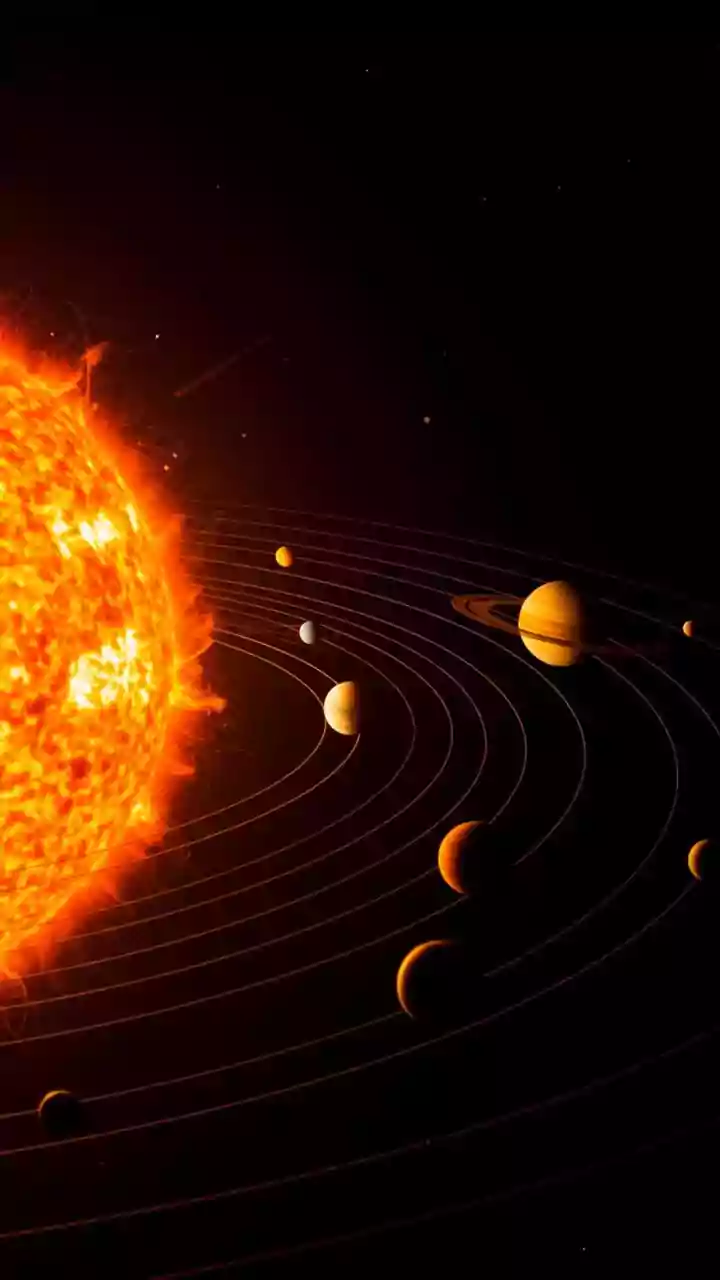
oil reserves. The underlying premise is that geological processes, including the creation and migration of oil, could be influenced by subtle variations in Earth's orbital parameters. These parameters include factors such as the shape of Earth's orbit (eccentricity), its axial tilt (obliquity), and the wobble of its axis (precession). By studying these orbital characteristics and their potential impact on subsurface geological structures, scientists aim to identify areas that may be more likely to contain oil deposits. It is believed that these orbital forces, acting over millions of years, can lead to the creation of geological traps and pathways that concentrate oil, eventually forming commercially viable reserves. Thus, by understanding the history of Earth's orbit, researchers aim to predict locations where such favorable conditions might have occurred.
Mapping Underground Deposits
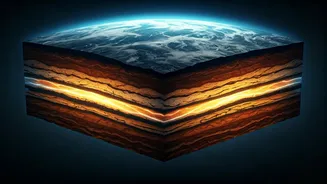
Scientists utilize sophisticated computer models and simulations to analyze the relationship between orbital variations and geological formations. These models incorporate data from various sources, including seismic surveys, satellite imagery, and geological maps. The models help researchers visualize how orbital changes might have affected the stress and strain on the Earth's crust over geological time. For example, changes in Earth's axial tilt can influence the distribution of solar energy across the planet's surface, affecting erosion patterns, sedimentation, and the formation of sedimentary basins where oil often accumulates. Variations in orbital eccentricity can lead to periodic changes in the gravitational forces exerted on the Earth, potentially triggering tectonic activity and influencing the migration of oil. By analyzing these complex interactions, scientists hope to develop predictive models that highlight specific geological regions with a higher probability of containing oil deposits. This can help to refine exploration strategies, focusing efforts on areas with the greatest potential for success and minimizing the environmental impact associated with exploration.
Revolutionizing Resource Exploration
The application of orbital mechanics to oil exploration has the potential to significantly enhance the efficiency and sustainability of resource extraction. Traditional methods of oil exploration, like seismic surveys and exploratory drilling, can be expensive and environmentally disruptive. If the orbital analysis can accurately predict the location of oil reserves, it could help in directing these exploration efforts more effectively, minimizing the need for costly and invasive techniques. Furthermore, a better understanding of how geological processes are linked to orbital variations might lead to a more nuanced view of the factors driving oil formation. This, in turn, could allow for better management of existing oil fields. The predictive capabilities of this research could also play a role in optimizing the extraction rates. It can also help minimize risks by improving our understanding of resource distribution and its relationship to our planet's dynamic geological history. This innovative approach promises to reshape how we locate and extract valuable resources, with potentially large benefits for both the industry and the environment.