







A Village United
Imagine stepping into a village where the familiar clatter of pots and pans from individual homes is replaced by the cheerful buzz of a central community
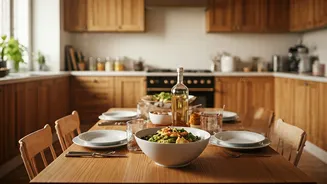
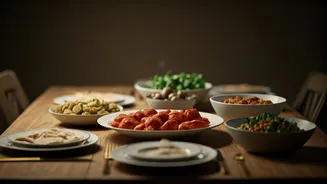
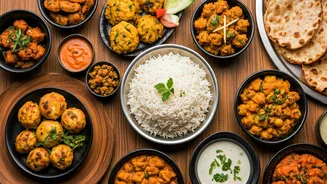
kitchen. In Chandanki, Gujarat, this isn't a scene from a heartwarming film but a daily reality. Residents have embraced a communal approach to meals, gathering in a shared dining hall to enjoy traditional Gujarati cuisine prepared collectively. This unique system has emerged as a profound solution to the growing issue of loneliness and isolation, particularly among the elderly, by fostering a strong sense of togetherness and mutual support. It’s a practical embodiment of the adage that shared meals lead to shared lives, strengthening the social fabric of the village one plate at a time.
The Genesis of Connection
The establishment of Chandanki's unique dining tradition was a direct response to a pressing social challenge: the increasing isolation of its senior residents. As younger generations migrated to urban centers for employment opportunities, the village experienced a demographic shift, leaving many elderly individuals facing prolonged periods of solitude. Recognizing this growing concern, the village head, Poonambhai Patel, who had previously lived in New York City, spearheaded an innovative solution. His vision was to create a singular, communal kitchen and an adjacent dining hall. This space was envisioned not just as a place to eat, but as a vital hub for social interaction, offering a much-needed antidote to the loneliness that had begun to permeate the lives of many older villagers, thereby rebuilding a sense of belonging.
Heartbeat of the Village
Chandanki's daily rhythm is harmoniously orchestrated by its central kitchen and vibrant community hall. Hired cooks prepare nutritious, authentic Gujarati meals daily—staples like khichdi, roti, sabzi, and chaas, alongside occasional festive dishes, ensuring a taste of home for everyone. Residents contribute a modest monthly fee of approximately ₹2,000 per person, granting them access to two wholesome meals each day, while the cooks receive a consistent salary of about ₹11,000 per month, ensuring the sustainability of the operation. The dining hall itself is a marvel of modern yet grounded design, featuring air conditioning powered by solar panels, creating a comfortable environment. More importantly, it serves as a nurturing ground for conversations, where women share family updates, elders recount past experiences, and friends reminisce, transforming the space into a sanctuary for emotional well-being and a powerful counterpoint to individualistic dining trends.
Embracing the Change
Introducing a significant shift like a community kitchen naturally encountered initial skepticism among Chandanki's residents. Concerns about impersonal interactions and the perceived loss of the personal joy of home cooking were voiced. However, the undeniable benefits gradually won over the doubters. Elderly villagers quickly appreciated the reduced burden of daily cooking, freeing up their time for rest and social engagement. For all residents, the dining hall evolved beyond a mere eating venue; it became an inclusive space where a profound sense of belonging flourished. While the physical act of cooking moved out of individual homes, the emotional warmth and essence of home were amplified within the communal hall, fostering an environment rich with laughter, shared concerns, and collective celebrations.
Lessons from Chandanki
Chandanki's communal living model offers a profound lesson in prioritizing human connection and collective welfare over rigid adherence to tradition. By establishing a shared culinary space, the village successfully tackled not only the pervasive issue of loneliness but also actively cultivated an atmosphere of shared care and mutual support. This initiative powerfully demonstrates that meals can transcend mere sustenance to become potent catalysts for social interaction and integration. The modest ₹2,000 monthly contribution is more than a payment for food; it's a tangible investment in fostering vital social bonds. Likewise, the central kitchen represents more than mere operational efficiency; it embodies a commitment to ensuring the dignity and well-being of all residents, especially the elderly, by providing them with companionship and support in their later years, preventing solitude.