





Peppermint's Potent Punch
Peppermint, with its invigorating and sharp fragrance, acts as a powerful sensory irritant for lizards, making any area where it's present highly unappealing
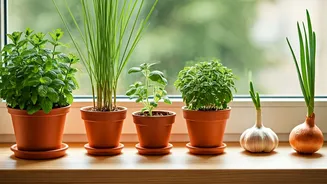
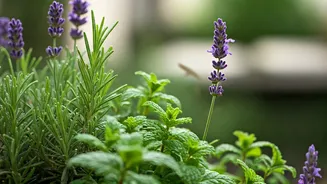
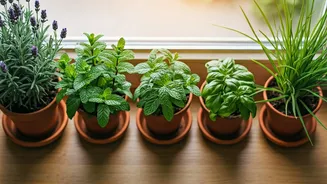
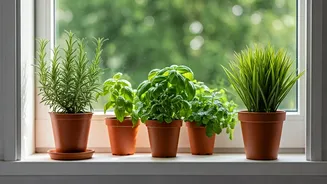
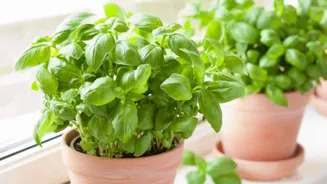
to them. Strategically placing pots of peppermint near entry points like windowsills, balconies, and the edges of your kitchen can effectively create a scented barrier, discouraging lizards from venturing inside. Beyond its anti-lizard properties, this versatile herb also possesses the ability to deter common household pests such as ants and mosquitoes, providing a dual-action defense system. Its ease of cultivation, whether indoors or outdoors, ensures that you can maintain a refreshing and lizard-free environment with minimal effort, enhancing the overall ambiance of your living space.
Lemongrass's Citrus Shield
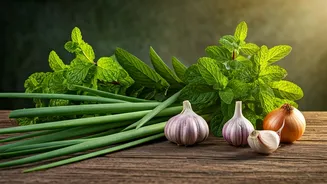
Lemongrass is a fantastic natural repellent due to its distinct citrusy aroma, which is largely attributed to the presence of citronella. This strong scent is particularly effective at deterring insects, which are the primary food source for lizards. By planting lemongrass along the perimeter of your garden, near doorways, or other potential entry points, you can create an aromatic shield that discourages both insects and lizards. This low-maintenance plant thrives in pots, making it an ideal choice for various living spaces, including balconies and small gardens. Additionally, lemongrass is a staple ingredient in many traditional Indian teas, adding a culinary benefit to its pest-repelling prowess.
Tulsi's Traditional Defense
Tulsi, revered in Indian tradition as holy basil, releases a powerful and distinct fragrance that lizards find highly unpleasant, thus avoiding areas where it grows. Cultivating tulsi plants near your doors, windows, or in sunny spots within your home can create a natural barrier against these reptiles. Beyond its remarkable pest-repelling capabilities, tulsi is widely recognized for its significant health benefits and its ability to purify the air, making it a valuable addition to any home. As a common kitchen staple, it's also a convenient plant to grow year-round, ensuring continuous protection and a healthier living environment.
Garlic's Sulfur Scent
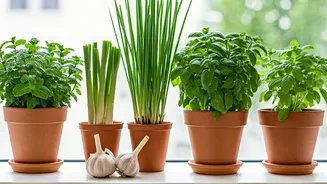
The potent and pungent aroma of garlic, largely due to its sulfur compounds, is highly effective at repelling various reptiles, including lizards. By placing pots of garlic near common entry points, such as cracks in walls, windows, or even in your kitchen garden, you can leverage its strong scent to deter them. For an enhanced effect, lightly crushing a few garlic cloves can intensify its odor and increase its repellent power. Garlic is straightforward to cultivate, and its benefits extend to warding off other common garden pests, making it a versatile and practical choice for vegetable patches or balcony gardens.
Onion's Irritating Aroma
Similar to garlic, onions possess a sharp and irritating scent that can significantly disrupt a lizard's sense of navigation and comfort, thereby discouraging their presence. Strategic placement of onion plants or even their bulbs near potential entry points like window frames, doorways, or corners of your home can create an unwelcome environment for lizards. For an amplified defense, planting onions alongside garlic can create a synergistic effect, significantly boosting their combined repellent power. Onions are remarkably easy to grow, even in limited spaces, and their culinary utility further enhances their value as a household plant, contributing to both pest control and your kitchen needs.