


Timing is Everything
To maximize savings on your Alaskan expedition, consider visiting during the 'shoulder' seasons of May or September. While the peak tourist months of June,
July, and August offer the most predictable weather, they also come with significantly higher prices for flights, lodging, and organized activities. By strategically booking in advance and avoiding the summer rush, you can achieve substantial cost reductions. For the truly adventurous and self-sufficient traveler, April can also be a viable option in the milder Panhandle region, though be prepared for unpredictable weather. While Alaska's winters are generally less expensive, they are best suited for seasoned locals or extreme adventurers due to harsh conditions.
Park Entry Savings
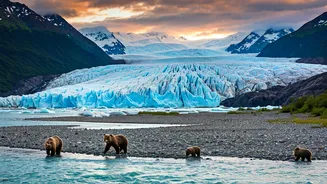
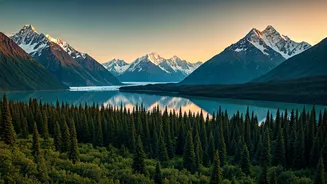
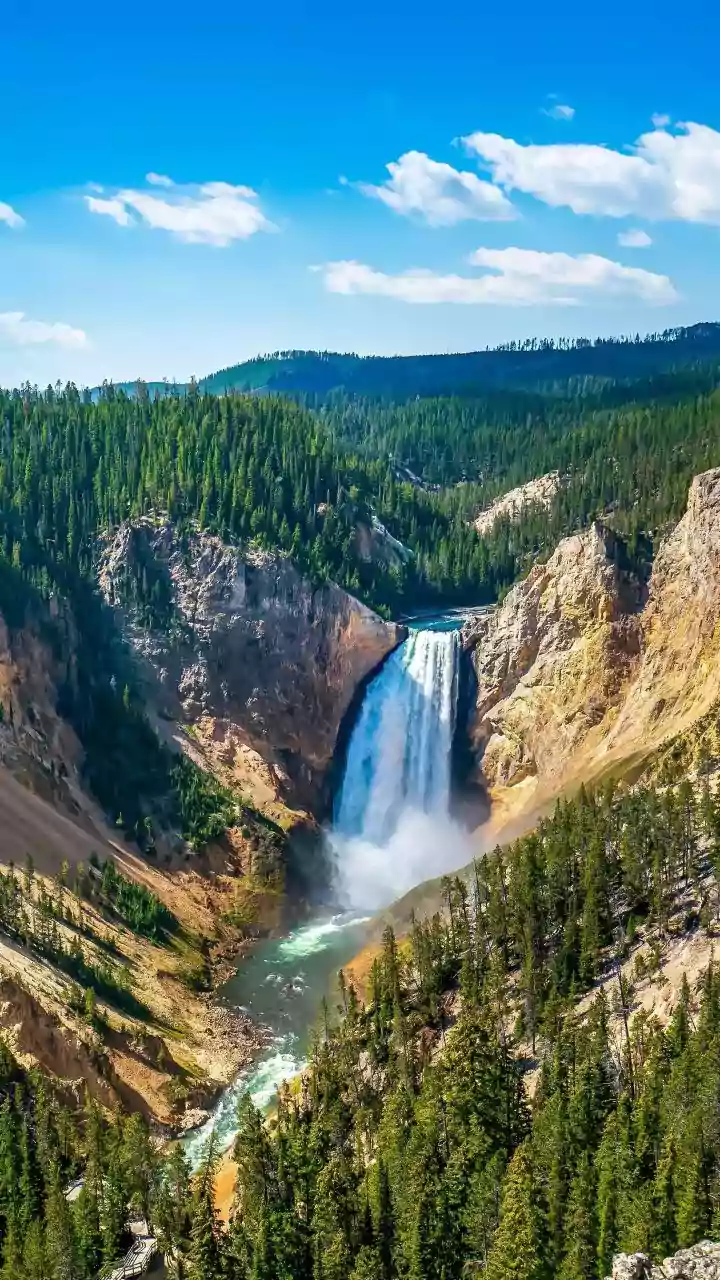
Alaska's natural wonders are remarkably accessible, with most of its eight national parks offering free entry. The sole exception is Denali, which charges a modest US$15 for a year-round pass. The primary challenge with many of Alaska's remote parks is the expense associated with reaching them, often requiring costly boat or air transfers. However, Denali and Kenai Fjords stand out as easily accessible from Anchorage by car, bus, or train. These parks provide a wealth of free attractions, including opportunities for glacier viewing, wildlife observation, hiking, and camping. Similarly, Sitka and Skagway, two prominent historic parks, are also free to explore. They feature engaging museums and heritage sites, complemented by complimentary ranger-led walking tours during the summer, offering a deep dive into Alaska's rich history and culture.
Strategic Base Selection
To minimize expenses related to internal travel, focus on establishing a base near the main road networks. The Kenai Peninsula, situated just south of Anchorage and accessible by road or rail within an hour, presents a compact and easily navigable area brimming with classic Alaskan scenery, encompassing glaciers, mountains, and dramatic fjords. Seward, located approximately 127 miles from Anchorage, serves as an excellent strategic point. To the north, the corridor between Anchorage and Fairbanks is traversed by the well-maintained George Parks Highway. This route connects to interesting locales like the artsy community of Talkeetna and the wildlife-rich landscapes surrounding Denali National Park, facilitating exploration without resorting to costly flights.
Accommodation Alternatives
Accommodation in Alaska is inherently expensive, and options are often limited due to the size of many towns. To combat these costs, consider alternatives to traditional hotels. Hostels are frequently available in tourist-centric areas, offering dorm beds from approximately US$35 per night. A more immersive and often budget-friendly option is staying in cabins. Alaska boasts numerous basic public-use cabins located within state parks and national forests like Chugach and Tongass. While some require hiking or kayaking to access, others are more readily available. These cabins typically accommodate three to eight people and can cost as little as US$45 per night, though US$75-100 is a more common range. Most are equipped with essential amenities like sleeping platforms, stoves, and pit toilets, and pre-booking is vital.
Savvy Transportation Choices
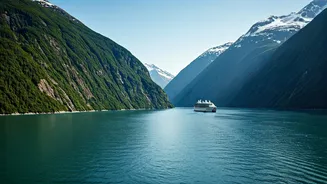
When it comes to getting around Alaska, weigh your options carefully to save money. Car rental rates can range from US$100 to US$150 daily during the summer, and it's essential to assess how much you'll actually need a vehicle. While gas prices are lower than in Europe, they are still about US$0.40 per gallon above the US average. Conversely, bus travel can be surprisingly affordable. For instance, the trip between Anchorage and Seward can cost as little as US$80 one-way, and the journey from Anchorage to Denali is approximately US$115. For scenic travel through the Inside Passage, the Alaska Marine Highway ferry system offers a cost-effective alternative to cruise ships, covering the same spectacular landscapes. A 19-hour ferry trip between Ketchikan and Juneau costs around US$140, and a six-hour journey between Whittier and Valdez is about US$65. Even wildlife viewing can be economical; a bus ride along Denali's Park Road can offer numerous sightings for a round trip cost of about US$67, a stark contrast to expensive fly-in bear viewing tours.
Budget-Friendly Dining
Eating out in Alaska can be a significant expense, largely due to the short tourist season and high operational costs. Supermarket prices for groceries, however, are often comparable to those in other parts of the US, particularly in cities like Fairbanks and Anchorage. To control your food budget, embrace the concept of picnics for lunches, especially when hiking. Preparing your own dinners at your campsite or in your RV is also a great way to save. If your accommodation includes a kitchen or kitchenette, utilize it to its full potential. While it's worth splurging on a quintessential Alaskan dish like halibut at least once, making these dining experiences the exception rather than the rule will significantly reduce your overall travel costs.