



A Powerful Protector
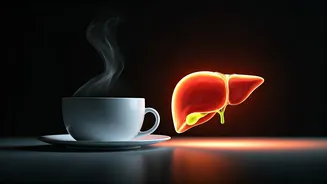
For those who enjoy their morning brew, there's excellent news regarding liver health. Plain black coffee, devoid of added sugars, cream, or flavored syrups,
possesses compounds that can markedly enhance the well-being of your liver. It's not merely a wake-up drink; it's a proactive measure against liver ailments. Dr. Saurabh Sethi, a gastroenterologist and hepatologist who has trained at prestigious institutions like AIIMS, Harvard, and Stanford, regularly examines numerous liver scans in his practice. He advocates for his daily morning black coffee, attributing its consumption to its role in safeguarding and supporting his own liver. He emphasizes that regular coffee intake is associated with a significant reduction in the risk of liver cirrhosis, with studies indicating this decrease can be as high as 44 percent, along with a lower likelihood of other liver-related complications.
Boosting Liver Enzymes
Regular consumption of black coffee can positively impact liver enzyme levels, particularly in individuals who are susceptible to liver issues. Elevated liver enzymes in blood tests often signal stress, inflammation, or damage within the liver, as injured liver cells tend to release these enzymes into the bloodstream. Dr. Sethi points out that drinking coffee can help lower these critical markers. Specifically, consistent coffee intake has been linked to reduced levels of ALT and AST, which are key indicators that he closely monitors in patient lab reports. This suggests that coffee consumption could be a beneficial habit for managing and improving liver function by mitigating the signs of cellular distress.
Combating Fatty Liver
Non-alcoholic fatty liver disease (NAFLD) is a growing concern globally, affecting a substantial portion of the population. However, the good news is that consistent coffee consumption shows promise in actively counteracting this condition. Research provides some of the most compelling evidence for coffee's protective role against fatty liver disease, potentially even preventing its onset. Dr. Sethi highlights that coffee is one of the few beverages with robust clinical backing for its beneficial effects on fatty liver. With NAFLD now impacting one in three Americans, the simple act of drinking coffee emerges as a readily accessible and scientifically supported strategy to support liver health and combat this prevalent disease.
Reducing Inflammation
The liver can benefit greatly from the powerful antioxidants present in black coffee, which help to reduce inflammation within the organ. Coffee is particularly rich in polyphenols, a group of beneficial compounds that actively combat oxidative stress. Oxidative stress is a major contributor to chronic liver damage and the progression of liver diseases. Dr. Sethi explains that the chlorogenic acid found in coffee is instrumental in mitigating this stress. By neutralizing free radicals, these antioxidants protect liver cells from damage, thereby slowing down the mechanisms that drive chronic liver ailments and promoting a healthier internal environment for the liver.
Optimal Daily Intake
To harness the maximum liver-protective advantages of coffee, Dr. Sethi suggests that consuming two to three cups daily is the optimal amount. This 'sweet spot' is supported by extensive research, including a significant meta-analysis involving over 400,000 participants. This landmark study indicated that this moderate intake level provides the greatest benefit for liver protection, surpassing both lower and higher consumption amounts. Therefore, while coffee is beneficial, moderation is key to ensuring you're maximizing its positive impact on your liver health without any potential downsides.
Decaf's Liver Perks
Interestingly, the liver-enhancing properties of coffee are primarily attributed to its polyphenol content rather than its stimulating caffeine. This means that even individuals who opt for decaffeinated coffee can still experience similar health benefits for their liver. Dr. Sethi clarifies that whether the coffee is caffeinated or decaf, the beneficial effects remain largely the same because the advantage stems from the polyphenols. Head-to-head studies have shown that decaf drinkers also exhibit comparable improvements in liver enzyme levels, underscoring the broad protective capabilities of coffee's natural compounds.