






Escalating US Warnings
The US government recently issued a fresh alert urging all Americans to depart Iran. This strong advisory signals a significant deterioration in relations
between the two countries. Such warnings can have immediate effects on international business operations. Companies with existing investments or operations in Iran may face increased risks, including heightened security concerns for their employees and assets. This advisory also indicates that the US government believes the situation is volatile, and companies need to assess their risk exposure in the region accordingly. The warning influences insurance premiums for businesses operating in or near the area.
Tariffs and Trade Partners
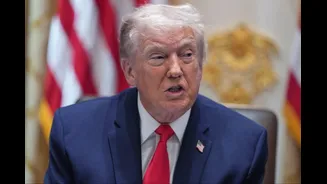
Former President Trump escalated pressure on Iran by imposing 25% tariffs on its trade partners. These tariffs directly impact businesses involved in trade with Iran. The aim is to cripple Iran's economy and force it into concessions. These tariffs could lead to higher costs for goods and services for businesses dealing with Iran and its partners. They also impact the relationships between international business entities. Trade partners may need to reassess their trade relationships with Iran and the US, which could lead to significant shifts in global trade flows. Businesses need to consider these factors when making trade and investment decisions.
Financial Market Implications
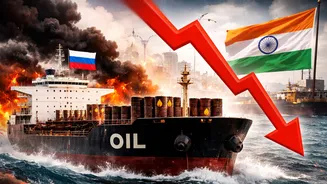
The geopolitical instability caused by the US-Iran tensions can significantly affect financial markets. Increased uncertainty often leads to volatility, particularly in sectors tied to oil and natural gas, given Iran's position as a major producer. Businesses operating in these sectors, as well as those with related investments, need to monitor these events closely. Any significant shift in the tension level can trigger price swings in these areas. The fluctuations in currency exchange rates, influenced by perceptions of political risk, can impact the profitability of international business transactions. These events necessitate careful risk management strategies for companies with operations and investments in the Middle East.
Industry-Specific Risks
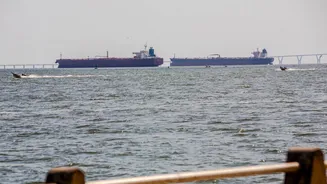
Different industries face distinct risks due to escalating US-Iran tensions. The energy sector, for instance, could encounter disruptions to supply chains and fluctuating oil prices. Businesses in transportation and logistics may face increased insurance costs and security risks in the Persian Gulf. Companies operating in these areas need to have contingency plans in place to mitigate these risks. Companies involved in manufacturing and international trade are also at risk. These firms have to monitor developments and adjust their strategies accordingly. A thorough understanding of the specific vulnerabilities of each industry is crucial for effective risk management and business planning.
Long-Term Business Outlook
The ongoing tensions between the US and Iran create uncertainties for the long-term outlook of businesses operating in or trading with the region. Companies must weigh the potential impacts of various outcomes, like escalating military actions, economic sanctions, or changes in regional partnerships. Firms that can adapt flexibly to changing situations, by diversifying their operations and markets, or developing strong relationships with key stakeholders, will likely be best positioned to thrive. A long-term perspective, coupled with careful risk assessment and proactive planning, is essential for weathering the current volatility and positioning a business for future success.